Thailand's Prime Minister Anutin Charnvirakul has announced a sweeping one-year suspension on the issuance of new firearm carry permits, responding to public outcry after a tragic school shooting that left nine people dead. The decision, announced on Tuesday, represents one of the most significant restrictions on civilian gun ownership in recent Thai history and signals the government's attempt to regain public confidence in security measures.
The suspension aims to reduce the proliferation of firearms in circulation and prevent future incidents of gun violence in public spaces. Officials have framed the measure not merely as a reactive policy but as part of a broader strategy to "maintain public order, reduce the risk of violence, and restore public confidence" in state institutions. The stringency of the approach underscores the alarm triggered by the school shooting, which has prompted intense scrutiny of Thailand's firearms licensing system.
Beyond the permit suspension, the Ministry of Interior has mandated that local authorities nationwide implement heightened vetting procedures for all firearm purchase applications. These enhanced screening measures will include comprehensive background investigations conducted under the provisions of the Firearms Act, tightening standards that were previously applied more loosely across different provinces. The centralisation of these procedures aims to create uniformity in how permits are evaluated across the country's local administrative divisions.
The government has also strengthened its surveillance and compliance regime for citizens who already possess legal firearms and carry permits. Regular monitoring of licensed gun owners will ensure they continue to meet all legal obligations and safety standards. These individuals must maintain strict compliance with storage regulations, keeping their weapons secured at home and carrying them in public only when lawfully justified. Breaching these requirements can result in penalties of up to five years imprisonment, fines reaching 10,000 baht (approximately $301), or both sanctions applied concurrently.
The shooting, which occurred on Friday, shocked the nation and prompted rapid policy responses. Nine individuals were killed in the attack, including the grandparents of the student shooter, who subsequently took his own life. The incident exposed vulnerabilities in Thailand's mental health support systems and school security protocols, driving officials to propose more comprehensive safeguards.
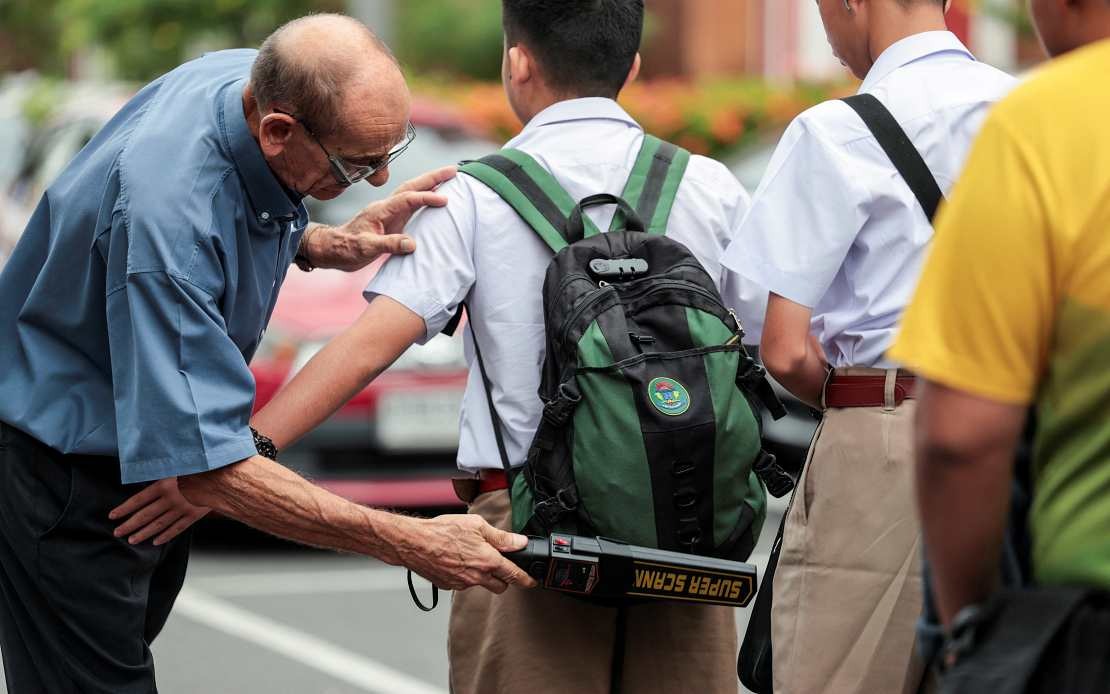
Education Minister Prasert Jantararuangthong has developed a six-point national safety initiative, which has been submitted to the Cabinet for consideration. This comprehensive package addresses multiple dimensions of school violence prevention, mandating psychological evaluations for students to identify mental health concerns before they escalate. The proposal also requires schools to conduct regular emergency response drills, preparing students and staff for potential security threats. Additionally, the framework establishes zero-tolerance policies regarding bullying and prohibits weapons of any kind within educational institutions.
These measures reflect growing international recognition that preventing mass casualty events requires multifaceted intervention strategies. Rather than addressing firearm access alone, Thai policymakers are targeting upstream factors such as untreated mental illness, social alienation, and institutional complacency. The combination of tighter gun controls, psychological screening, and cultural shifts around weapon acceptance represents a holistic approach gaining currency across Asia.
For Malaysia and other Southeast Asian nations observing Thailand's response, the policy suspension offers lessons in crisis management and institutional adaptation. Many regional governments face similar challenges balancing citizens' rights with public safety imperatives. Thailand's decision to implement a temporary rather than permanent ban may reflect political calculations about not antagonising rural populations or hunting communities, while still demonstrating decisive action to urban constituencies demanding reform.
The timing of the suspension also coincides with broader concerns about social cohesion in Thailand. A separate incident on Monday involving the arrest of a former lawmaker accused of killing the president of the Nonthaburi Provincial Administrative Organisation further highlighted tensions within Thai governance structures. These concurrent incidents suggest deeper institutional challenges beyond school violence, potentially indicating fractures in law enforcement oversight and accountability mechanisms.
Implementing the firearms suspension effectively will require coordination between the Department of Provincial Administration and local police units throughout the kingdom. Given corruption concerns documented in some Thai provincial administrations, the success of enhanced background checks will depend on institutional capacity and political will to enforce standards uniformly. Regional observers will watch closely to determine whether this represents genuine reform or temporary political theatre.
The suspension's one-year duration suggests policymakers intend to use this period for comprehensive review and potential legislative reforms. If the policy proves effective in reducing gun-related incidents, Thai officials may pursue permanent restrictions or restructured permitting systems. Alternatively, pressure from rural constituencies or sporting shooters could force the government to modify its approach before the suspension expires.
For neighbouring countries including Malaysia, Thailand's bold intervention signals shifting regional attitudes toward civilian firearm regulation. As urbanisation increases across Southeast Asia and school safety emerges as a priority concern, other governments may face similar pressures to implement comparable restrictions. Thailand's example demonstrates both the feasibility of rapid policy implementation and the political capital required to override established interest groups opposed to gun control measures.

