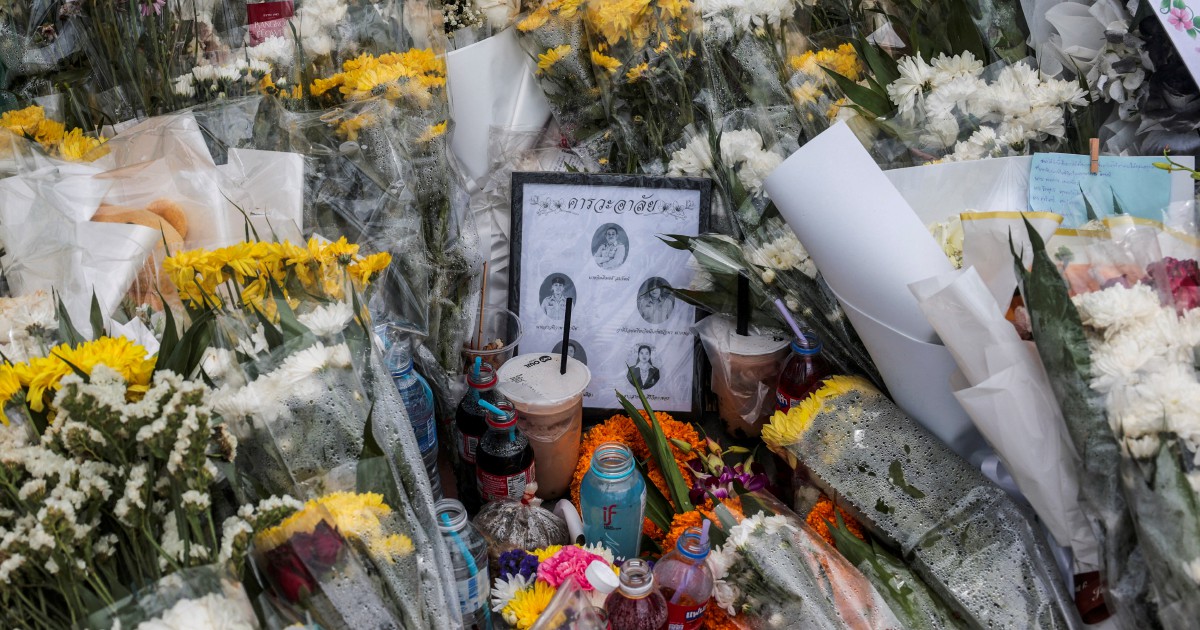
Thailand's Prime Minister announced the suspension of firearms licences on Tuesday in the wake of a devastating school shooting that occurred the previous week. The decision marks an immediate policy response to the incident, which resulted in multiple deaths and has sparked concern across the nation about gun safety and access. The announcement came as the bodies of the teenage perpetrator and two grandparents whom he killed were being cremated in Nonthaburi province, bringing a formal close to a tragic chapter that had gripped Thai society.
The suspension of gun licences represents one of the most tangible measures the Thai government has introduced following the incident. While details about the scope and duration of the suspension remained limited in official statements, the move signals a commitment to examining firearms regulations in the country. Thailand has relatively strict gun laws compared to some neighbouring nations, yet incidents involving licensed firearms holders have periodically generated public alarm and calls for tighter controls.
The cremation of the teenage shooter and the two elderly victims underscores the tragedy's human dimension. In Thai culture, cremation typically follows Buddhist funeral rites and often occurs within days of death, allowing families to proceed with mourning rituals. The conducting of these ceremonies reflects the formal acknowledgement of the incident's conclusion from a legal standpoint, though investigations and inquiries into the circumstances surrounding the shooting continue.
The school shooting itself represents a rare but significant security concern in Thailand, where violent crime involving firearms—particularly in educational settings—remains uncommon compared to many developed nations. The incident has nonetheless prompted broader discussions about mental health screening, access to weapons by young people, and oversight mechanisms for licensed gun owners. Thai authorities are likely to face sustained pressure from the public and advocacy groups to implement more comprehensive safeguards.
The Prime Minister's announcement arrives at a critical juncture for Thai policy-makers balancing public safety with the rights of legitimate gun owners, many of whom are hunters, sport shooters, and individuals who argue firearms ownership is essential for personal protection in rural areas. Thailand's firearms licensing system has historically been administered through provincial authorities, and any nationwide suspension may require coordination across administrative bodies. The practical implications for the estimated hundreds of thousands of licence holders remain to be clarified in subsequent government communications.
Regional observers have noted that incidents of mass shooting in Southeast Asia are comparatively rare, and each occurrence tends to generate intensive scrutiny of weapons laws across the region. Thailand's response will likely be watched closely by policymakers in neighbouring countries as they assess their own regulatory frameworks. The suspension decision may also influence ongoing discussions in ASEAN nations about harmonising approaches to firearm regulation and enforcement.
Family circumstances surrounding the shooter are gradually emerging, though authorities have maintained operational security during their investigation. The killing of his own grandparents raises troubling questions about the incident's precipitating factors and whether warning signs existed that might have prompted earlier intervention. Mental health professionals and child psychologists are expected to feature prominently in post-incident analyses, particularly regarding how young people access weapons and what preventive measures might be introduced.
Thailand's interior ministry and police force will likely oversee the implementation of the firearms suspension, ensuring compliance across the country. The decision to suspend rather than revoke licences reflects a measured approach that preserves the possibility of reactivation once investigations conclude and policymakers determine whether temporary controls should become permanent. This framework suggests the government intends to use the coming weeks and months to gather evidence and public input before settling on final legislative or administrative adjustments.
The incident has revived longstanding debates within Thai society about gun ownership, particularly in urban versus rural contexts. Bangkok and other major cities have experienced violent crime, yet school shootings remain exceptional. Rural communities, where hunting and agricultural protection justify firearm ownership, may resist overly restrictive measures. Balancing these regional perspectives will be crucial as the government develops more detailed policy responses.
International comparisons are inevitable, with observers noting that Thailand's incident, while tragic, has not approached the scale of mass shootings in countries with more permissive firearms laws. Nevertheless, the psychological impact on schools, parents, and communities cannot be minimised. Educational institutions across Thailand are likely reviewing security protocols, visitor screening procedures, and coordination with local police departments to prevent future incidents.
The suspension of firearms licences will remain in effect pending further government announcements regarding duration and any exemptions. The Prime Minister's office is expected to release more detailed guidance to provincial authorities and licence holders within days, clarifying which categories of weapons and holders are affected and what alternative provisions exist for essential users such as military personnel and law enforcement agencies.
Longer-term implications may include comprehensive reviews of Thailand's firearms regulations, potentially resulting in stricter background checks, mental health assessments for applicants, and enhanced monitoring of licence holders. International organisations focused on violence prevention may offer technical assistance to Thai authorities, drawing on comparative models from other nations that have successfully reduced firearm-related incidents.

