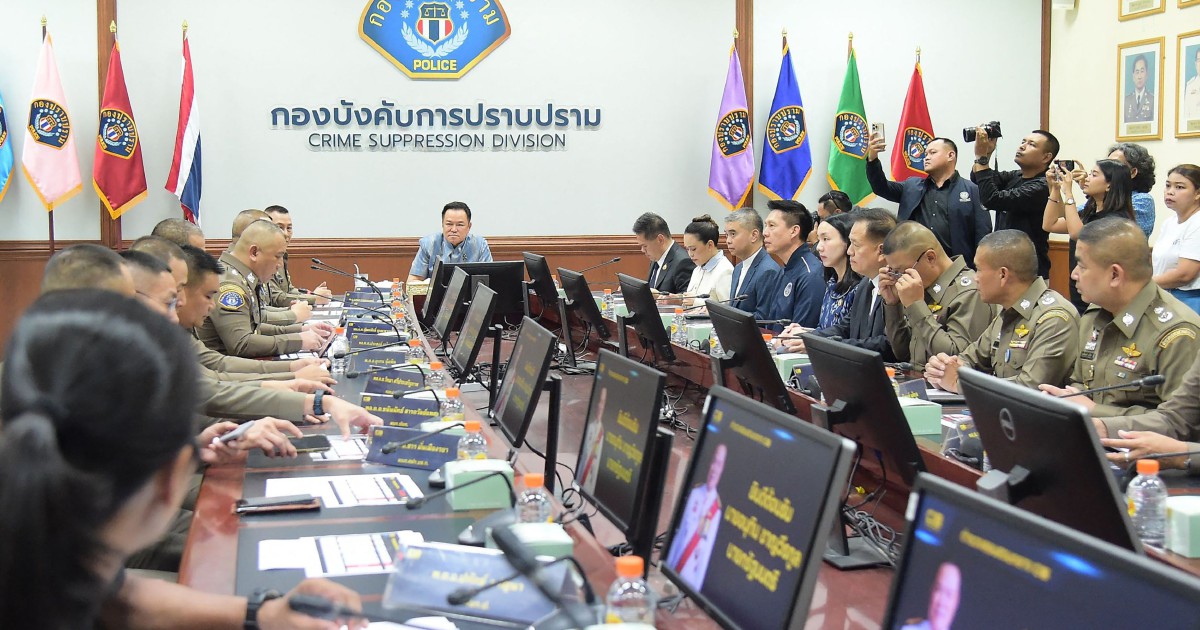
Thailand is preparing to suspend nearly 6,000 civil servants following revelations of widespread cheating during civil service examinations, according to an announcement from authorities on Thursday. The escalating scandal represents one of the most significant integrity challenges facing the Thai bureaucracy in recent years, with investigators continuing to broaden their inquiry into how such systemic fraud could have persisted undetected.
Three individuals have already been arrested in connection with the examination irregularities, marking the initial phase of what officials indicate will be a comprehensive accountability process. The scope of the investigation has expanded considerably since those initial apprehensions, prompting authorities to cast a wider net across Thailand's administrative infrastructure to identify all those involved in the cheating scheme.
The suspension of such a large number of officials underscores the magnitude of the problem and reflects the determination of Thai authorities to address what appears to be deeply entrenched malpractice within the recruitment and assessment systems for public sector positions. Civil service examinations are ostensibly designed to ensure that government workers are selected based on merit and competence, making fraud in this process particularly damaging to public institutions and citizen trust.
For Malaysia and other Southeast Asian nations monitoring developments in Thailand, this scandal carries important implications. Thailand's civil service represents a significant portion of the region's institutional capacity, and disruption on this scale could affect bilateral cooperation, investment environments, and regional governance initiatives. The incident also raises questions about examination integrity across the region, as similar recruitment systems are used throughout Southeast Asia.
The investigation's expansion suggests that authorities have uncovered evidence linking many more individuals to the cheating than initially suspected. This pattern of discovery often indicates sophisticated, organised fraud rather than isolated misconduct by a handful of individuals. Such systematic violations of examination protocols would point to structural weaknesses in oversight mechanisms and potentially complicit administrators who either facilitated or failed to detect the irregularities.
The decision to suspend rather than immediately terminate these officials suggests Thai authorities are proceeding methodically, allowing for due process while simultaneously removing individuals from positions of authority pending formal investigation outcomes. This approach, while administratively prudent, will create significant capacity challenges across government departments as thousands of posts simultaneously fall vacant or are reassigned.
Civil service recruitment in Thailand, like most countries, serves as a gateway for individuals to enter permanent government employment. Compromising this system through widespread cheating undermines the entire foundation of meritocratic governance and raises fundamental questions about the competence and legitimacy of affected officials who may have obtained positions they did not actually qualify for through examination performance.
The ramifications extend beyond individual misconduct. When examination systems are compromised on this scale, it creates a cascading problem where unqualified individuals occupy positions of responsibility, potentially affecting service delivery, policy implementation, and regulatory oversight. Citizens and businesses relying on government services may have been disadvantaged by officials who lacked genuine competence in their roles.
Thailand's handling of this scandal will likely influence how the government approaches institutional reform and anti-corruption measures going forward. The willingness to take decisive action through mass suspensions demonstrates commitment to addressing the problem visibly, though critics may question whether such measures adequately address the systemic factors that permitted such widespread fraud to occur initially.
For regional observers, the incident highlights the importance of robust examination administration safeguards, independent oversight of recruitment processes, and transparent investigation procedures. Other Southeast Asian governments may use this situation as a cautionary case study when reviewing their own civil service examination protocols and detecting potential vulnerabilities in their systems.
The investigation's continuing expansion suggests more details and additional individuals involved are likely to emerge in coming weeks. Authorities have indicated they will pursue the matter comprehensively, though the practical challenge of managing simultaneous investigations and disciplinary actions involving thousands of officials will test Thailand's institutional capacity significantly.
Ultimately, this scandal reflects broader governance challenges facing developing democracies attempting to maintain institutional integrity while dealing with endemic corruption pressures. Thailand's response will demonstrate whether the country can implement effective accountability mechanisms and rebuild public confidence in its civil service system.

