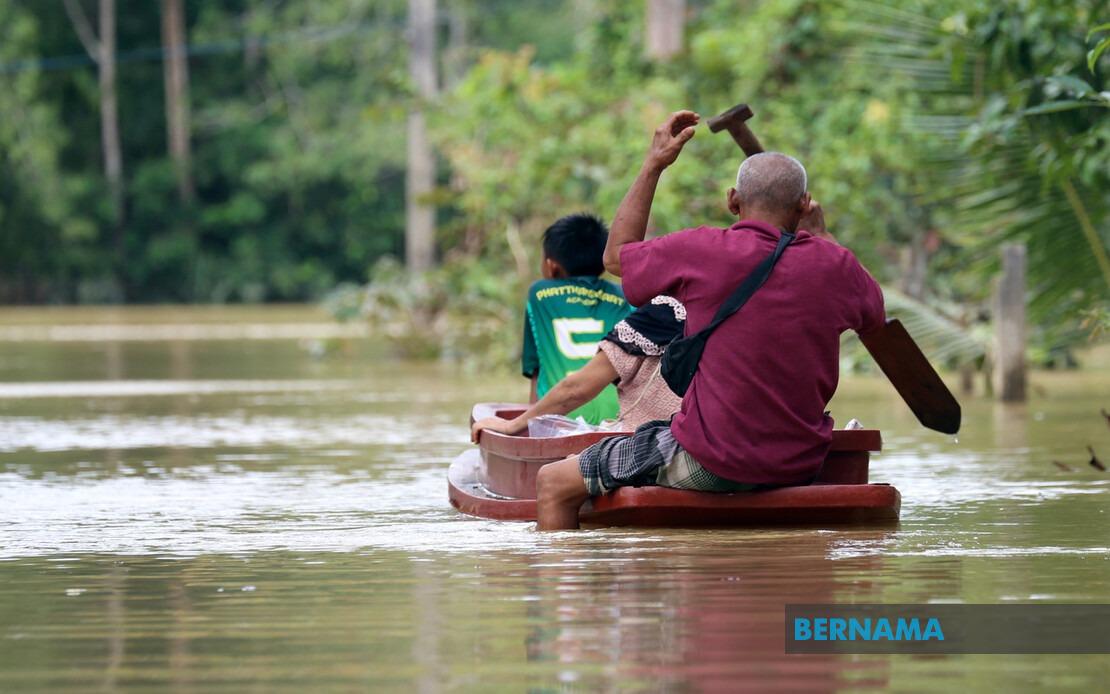
Thailand has substantially overhauled its approach to natural disaster management, stepping up preparations for the dual crises of seasonal flooding and extended dry spells that routinely threaten lives and agricultural output across the kingdom. The government's enhanced response mechanism, unveiled this week, represents a significant shift toward more decentralized and efficient coordination among agencies tasked with protecting citizens and critical infrastructure during weather emergencies. Deputy government spokeswoman Capt Patdarasm Thongsaluaykorn outlined the strategic reorganization, which consolidates authority within four newly established regional committees designed to accelerate decision-making and ensure relief efforts penetrate remote and vulnerable communities with minimal delay.
The scope of Thailand's vulnerability to these twin hazards is substantial. National authorities are maintaining active surveillance over 1,363 locations deemed at high risk from flooding and another 444 communities susceptible to prolonged drought conditions. This comprehensive geographic assessment underscores how extensively these natural phenomena permeate Thai society, affecting both urban centers and the agricultural hinterlands upon which rural populations depend for subsistence. The sheer number of monitored zones reflects the complexity of disaster management across diverse terrain, from the mountainous north to the fertile central plains and the coastal regions of the Andaman and Gulf areas.
The structural innovation behind Thailand's upgraded system centers on creating unified command structures at the regional level. By establishing committees that cut across traditional bureaucratic silos, the government aims to facilitate real-time information sharing and coordinated resource deployment. Each regional committee possesses authority to direct government agencies within its jurisdiction, assess changing conditions, and communicate timely warnings to the public. This horizontal integration contrasts with conventional hierarchical models that can slow response times when multiple agencies must seek central approval before acting. The new framework empowers local decision-makers to respond dynamically to emerging threats, a critical advantage when flooding or drought conditions can shift rapidly across provinces.
Deputy Prime Minister Yodchanan Wongsawat leads the northern regional committee, having chaired its inaugural meeting at the Department of Disaster Prevention and Mitigation. The committee structure assigns responsibility for monitoring meteorological and hydrological data, coordinating emergency operations as crises unfold, administering relief assistance and compensation programs, and orchestrating the longer-term recovery phase following major disasters. This comprehensive mandate ensures continuity of effort from early warning through reconstruction, avoiding the fragmentation that typically occurs when responsibility passes between agencies at different crisis stages.
Immediate rainfall projections underscore the timeliness of these organizational changes. The Thai Meteorological Department has warned of heavy precipitation, flash flooding, and river overflow risks affecting northern, northeastern, and eastern regions. Maritime authorities have issued precautionary advisories restricting small vessel operations in the upper Andaman Sea through August 9 and the upper Gulf through the same date, standard measures implemented when monsoon activity threatens coastal navigation. These near-term weather threats provide a practical test of whether the new committee structure can coordinate more effective responses than preceding systems.
Beyond the immediate monsoon season, however, Thailand faces a distinct and potentially more consequential climatic challenge. The Thai Meteorological Department and regional climate experts anticipate a Super El Niño episode beginning in October that could persist through the early phases of the 2027 rainy season. Such extended oceanic warming events historically reduce precipitation across Southeast Asia by ten percent or more, triggering cascading impacts throughout agricultural systems heavily dependent on timely and adequate rainfall. For Thailand, where rice cultivation remains a cornerstone of rural economies and national food security, a precipitation deficit of this magnitude could substantially compress yields and incomes across farming communities.
The anticipated rainfall reduction carries implications far beyond individual farm gate prices. Thailand's position as a global rice exporter means that drought-induced production shortfalls ripple through international commodity markets, affecting food security discussions in importing nations across Asia, Africa, and the Middle East. Domestic food inflation could strain household budgets, particularly among lower-income Thais for whom rice and staple foods consume large portions of income. Water supply systems for urban and industrial users would face pressure if the drought persists, potentially constraining manufacturing output and tourism sector operations dependent on reliable water availability.
For Malaysia and other Southeast Asian nations, Thailand's climatic predicament carries regional significance. Shared river systems, particularly the Mekong basin mechanisms, mean that drought conditions affecting northern Thailand can influence water availability downstream in Laos, Cambodia, and Vietnam. The broader El Niño phenomenon typically affects precipitation patterns across the entire region, making Thailand's experience a bellwether for wider monsoon dynamics. Malaysian policymakers monitoring regional commodity prices and water resources must remain attentive to how effectively Thailand's enhanced disaster response addresses these compounding challenges.
The government's statement emphasizing rapid, efficient, and coordinated assistance reflects recognition that disaster response effectiveness ultimately depends on institutional capacity and inter-agency trust. Thailand's historical experience with major floods and droughts has sometimes revealed coordination gaps and bureaucratic delays that hindered relief delivery and prolonged recovery periods. By establishing clear regional authority structures, assigning explicit responsibilities, and investing in unified command protocols, officials hope to compress the interval between need identification and resource deployment. The true measure of success will emerge when actual flooding or drought events test whether committees can overcome entrenched departmental rivalries and execute coordinated operations at the scale required.
The dual focus on immediate flood preparedness and longer-term drought mitigation also reflects evolving understanding of climate risk in tropical regions. Rather than treating these as discrete seasonal phenomena, Thailand's restructured approach acknowledges that both can occur within compressed timeframes or sequentially, creating compounding stresses on water management infrastructure and agricultural systems. Communities recovering from flooding damage face heightened vulnerability if drought conditions arrive before harvests offset flood losses. Water reservoirs drained by irrigation demands during dry spells may prove insufficient when monsoon rains arrive, perpetuating the cycle of scarcity and excess that characterizes climate variability in the tropics.
Thailand's reorganized disaster management system also reflects broader shifts in how Southeast Asian governments conceptualize climate resilience. Rather than viewing natural disasters as external shocks requiring emergency response, increasingly sophisticated approaches embed preparedness into institutional architecture, distributing decision-making authority to improve responsiveness and align relief efforts with local conditions. This philosophical reorientation acknowledges that climate impacts will intensify under warming scenarios, necessitating fundamental changes to how public institutions organize themselves. Thailand's experimentation with regional committees may offer lessons for neighboring countries grappling with similar challenges, particularly as climate change amplifies weather extremes across the region.

