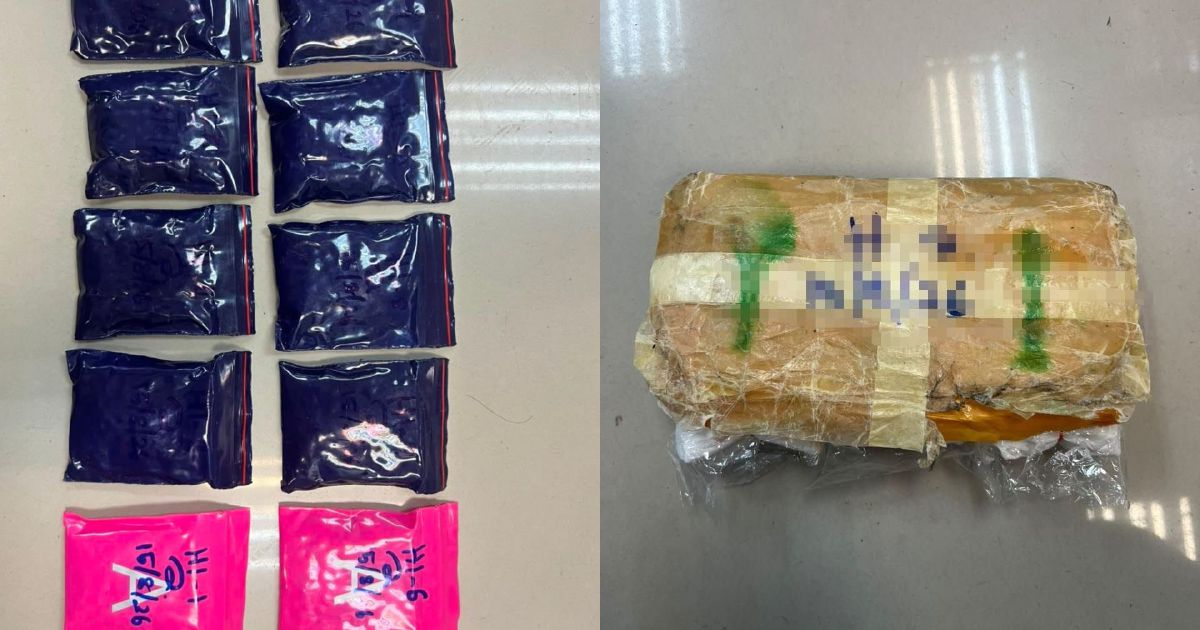
Law enforcement officers in Kelantan mounted a significant narcotics operation yesterday that resulted in the arrest of a 45-year-old Thai national and the seizure of a substantial quantity of amphetamine-type stimulants in Pasir Mas. The operation centred on Kampung Rahmat near Rantau Panjang, a border region long acknowledged as a critical transit point for illicit drug trafficking between Thailand and Malaysia. Officers apprehended the suspect and recovered 6,000 yaba tablets, commonly known as "crazy medicine" among abusers, with a street value estimated at approximately RM60,000.
The bust represents another chapter in the ongoing struggle against methamphetamine smuggling operations that persistently target Malaysia's northern frontier. Yaba pills, manufactured primarily in clandestine laboratories throughout the Golden Triangle region straddling Thailand, Laos, and Myanmar, have become a particular concern for Malaysian authorities due to their potency, affordability, and appeal among young consumers. The drugs are typically produced in tablet form, often stamped with logos or symbols that signify their purity and origin, and command significant profit margins along established trafficking corridors.
Passir Mas, located in the Kelantan district bordering Thailand's Satun and Yala provinces, has emerged as a frequent flashpoint in regional drug interdiction efforts. The geographic proximity to Thailand's major production zones, combined with porous land borders and multiple illegal crossing points, creates conditions that traffickers systematically exploit. The rural and semi-developed character of communities in this zone, alongside limited enforcement capacity in certain areas, has historically made the region vulnerable to organised drug smuggling networks.
The scale of yesterday's seizure, whilst substantial in isolation, underscores the volume of illicit narcotics flowing through northern Malaysian states. A haul of 6,000 tablets represents a single transaction within networks that typically move significantly larger quantities. Enforcement operations capturing shipments of this magnitude generally indicate intermediate-level distribution operations rather than major trafficking hubs, yet they disrupt supply chains and deplete the profit margins of organised criminal enterprises.
Thailand's emergence as a primary manufacturing centre for amphetamine-type stimulants has transformed regional drug markets over the past two decades. Thai authorities have consistently struggled to suppress production despite numerous law enforcement campaigns, partly due to the geographical isolation of manufacturing sites within forest regions and the sophistication of trafficking organisations operating there. The continued export of these substances southward reflects both supply-side capacity and sustained demand across Southeast Asia.
Malaysia's vulnerabilities to yaba trafficking are multifaceted. The drug's relatively modest price compared to heroin or cocaine makes it accessible to lower-income consumers, whilst its stimulant properties appeal to students, labourers, and long-distance drivers seeking temporary performance enhancement. Public health officials have documented rising treatment admissions for methamphetamine dependency, particularly among individuals under thirty, indicating that supply-side interventions alone are insufficient to address the problem.
The involvement of a foreign national in this particular case aligns with established patterns in northern Malaysia, where Thai and Burmese smugglers frequently conduct cross-border trafficking operations. Intelligence agencies tracking these networks have noted increasing sophistication in concealment techniques and transportation methods, though conventional interception operations remain effective when supported by credible intelligence and adequate resources.
Cooperative bilateral efforts between Malaysian and Thai law enforcement have intensified over recent years, yet remain constrained by varying capacities, jurisdictional limitations, and occasional diplomatic tensions. Information sharing between agencies has improved marginally, but structural challenges in Thai law enforcement capacity continue to hamper efforts to address production facilities at source. Regional frameworks including ASEAN have discussed harmonised approaches, though implementation remains uneven across member states.
The economic implications of the drug trade extend beyond direct enforcement costs. Communities in border regions experience elevated crime rates, social disruption, and public health burdens associated with widespread methamphetamine use. Treatment facilities, rehabilitation programmes, and addiction management services in Kelantan and other northern states operate under considerable strain as consumption increases. The social fabric of younger generations in vulnerable communities deteriorates when drug dependency becomes prevalent.
Sustainable solutions require coordinated action across supply reduction, demand reduction, and treatment availability. Malaysia's drug enforcement agencies continue to prioritise interdiction at borders and major trafficking points, yet this reactive approach addresses only symptoms of a deeper regional phenomenon. Long-term strategies must incorporate economic development in border regions to reduce trafficking communities' economic reliance on illicit trade, enhanced public education campaigns targeting young people, and expanded treatment capacity.
The arrest yesterday, whilst operationally significant, represents a single intervention within an enormous and complex transnational criminal marketplace. Unless accompanied by complementary enforcement efforts, regulatory improvements, and regional cooperation mechanisms that address root causes, such operations will remain perpetually reactive. Kelantan and its sister northern states will continue to serve as battlegrounds between law enforcement and organised trafficking enterprises whilst yaba remains profitable and accessible to willing consumers across the region.

