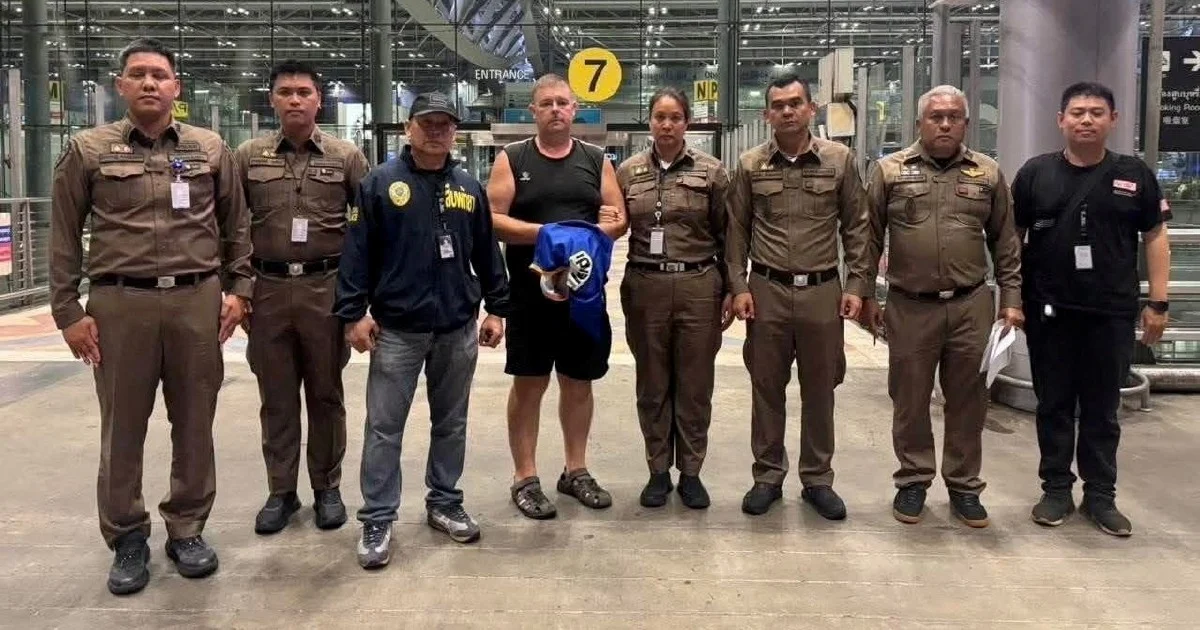
A grieving Thai family is coming to terms with the tragic death of their 17-year-old daughter after her body was discovered concealed within a suitcase in Pattaya. The devastating discovery has prompted local authorities to take swift action, resulting in the arrest of an Australian man who now faces serious murder allegations stemming from the case.
The discovery of the teenager's remains has shocked the local Pattaya community and drawn international attention to the incident. The circumstances surrounding her death suggest foul play, as the method of concealment indicates a deliberate attempt to hide evidence. Thai law enforcement agencies have been conducting thorough investigations to determine the exact sequence of events leading to the tragedy, examining forensic evidence and interviewing witnesses who may have crucial information.
The arrest of the Australian national marks a significant development in the case. Authorities have not yet disclosed the specific charges or details regarding the alleged suspect's relationship to the victim, though the gravity of the accusations underscores the seriousness with which investigators are treating the matter. The suspect's nationality brings an additional layer of complexity, as it raises questions about jurisdiction and international cooperation in criminal proceedings.
For the bereaved family, the shock of losing a young daughter under such horrific circumstances has compounded their grief. Their public statement expressing devastation reflects not only the immeasurable loss they have endured but also their trust in the Thai judicial system to deliver justice. Such tragic cases often have profound impacts on families, leaving lasting trauma that extends far beyond the initial investigation and legal proceedings.
Pattaya, a major tourist destination on Thailand's Eastern Seaboard, has long grappled with concerns about safety and criminal activity. While the city attracts millions of visitors annually to its beaches and entertainment venues, it has also faced periodic incidents involving crime, particularly those involving foreign nationals and vulnerable young people. This case adds to a growing body of incidents that have prompted discussions about visitor safety and the protection of Thai citizens, especially minors.
The case raises broader concerns about human trafficking and exploitation in the Southeast Asian region. Thailand remains a destination and transit point for various criminal activities, and young teenagers are particularly vulnerable to exploitation by unscrupulous individuals. Authorities and civil society organisations across the region have intensified efforts to identify and protect at-risk youth, recognising that prevention and intervention require coordinated action across multiple agencies and international borders.
The legal proceedings that will follow the arrest represent a critical moment for establishing accountability and delivering justice. Thai courts have demonstrated their commitment to handling such serious cases thoroughly, though challenges related to evidence collection, witness testimony, and international legal cooperation can complicate proceedings involving foreign nationals. The outcome of this case will likely set precedents and influence how similar incidents are handled in the future.
For Malaysian readers and the broader Southeast Asian community, this tragedy underscores the importance of vigilance regarding personal safety, particularly for young people who may encounter individuals from outside their communities. The incident serves as a sobering reminder of the risks that can accompany tourism and cross-border mobility in the region. Educational initiatives focusing on personal safety awareness and the recognition of potentially dangerous situations have become increasingly vital.
The involvement of an Australian suspect also highlights the international dimensions of crime in the region. Thai authorities have established relationships with counterparts in Australia and other nations to facilitate investigations involving foreign nationals. Such cooperation is essential for gathering evidence, conducting background checks, and ensuring that justice systems can work together effectively when serious crimes cross international boundaries.
As the investigation continues and legal proceedings progress, attention will likely focus on how such tragedies can be prevented in the future. Community organisations, government agencies, and tourism authorities will be expected to strengthen protective measures and support services for vulnerable populations. The case also underscores the need for parents and guardians to remain vigilant and maintain open communication with young people about the potential dangers they may encounter.

