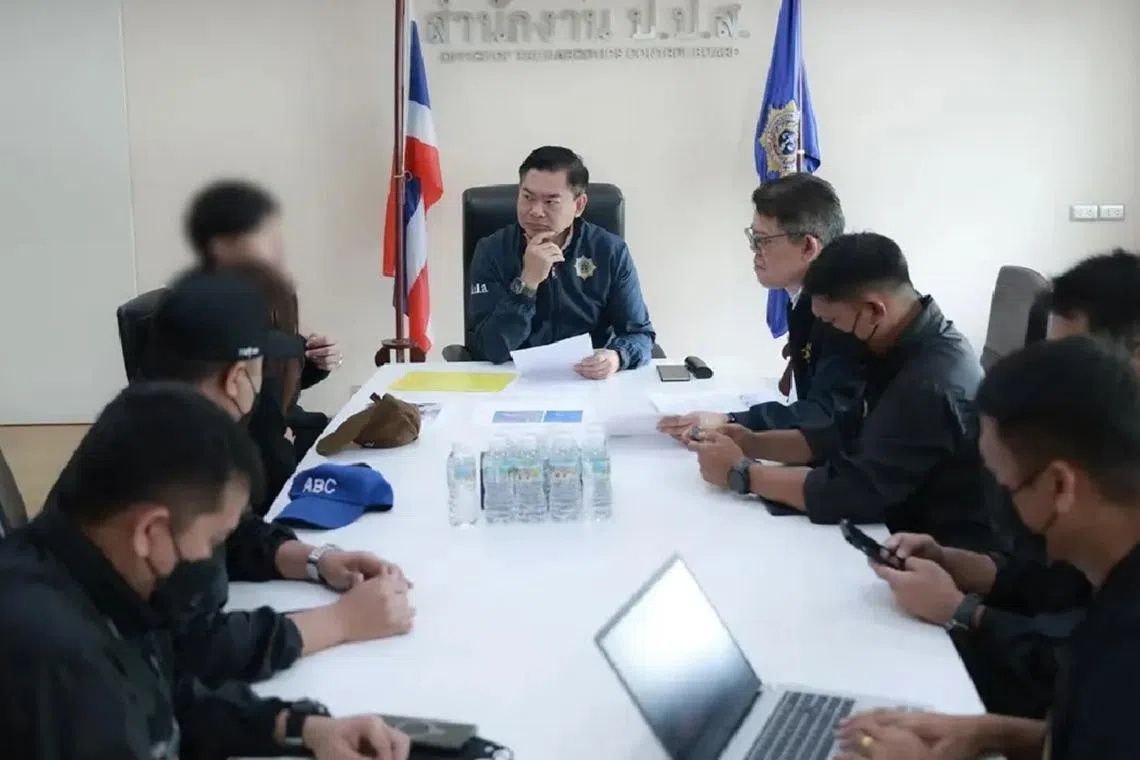
Thai narcotics officials have disclosed that heroin weighing approximately 900g was recovered from luggage associated with a Thai female airline crew member apprehended by Australian authorities, with the substance strategically hidden inside just two of twelve bags in a larger shipment. According to Police Major Suriya Singhakamol, secretary-general of the Office of the Narcotics Control Board (ONCB), Australian authorities conducted preliminary testing by opening one bag and establishing the quantity of the suspected heroin. Thai officials initially assessed that the two bags together contained no more than 2kg of narcotics, though they continue to await comprehensive laboratory confirmation from their Australian counterparts.
The arrested crew member's case represents a breach in what appears to be a carefully orchestrated transnational drug-smuggling operation. The ONCB has been coordinating intensively with the Australian Federal Police to uncover the network's full scope and operational structure. The sophistication of the concealment method—embedding heroin within the fabric of bags rather than simply packing it inside—suggests the network has developed techniques specifically designed to evade detection at border checkpoints and during routine baggage inspections. This level of refinement indicates the operation likely involved experienced handlers and logisticians.
Thailand has become a crucial transit point for narcotics destined for Australian and broader Asia-Pacific markets, a reality underscored by this case. The investigation's early stages have focused on tracing the parcel's journey and identifying the individuals who orchestrated both its packaging and delivery. Authorities initially pursued a delivery rider whom they believed had transported the suspicious package, but investigative work has since cleared this person of involvement. The rider, who voluntarily came forward to declare his innocence, was definitively exonerated after officials compared evidence and CCTV footage against the actual suspect.
The investigation revealed multiple distinguishing factors that helped authorities confirm the wrong person had been questioned. The parcel containing heroin was delivered on June 22 at midday, while the rider who presented himself delivered a different package on June 23 around five in the afternoon. The original suspicious parcel was contained within a large brown cardboard box, whereas the rider in question had delivered a black plastic box. Security footage also showed the actual delivery person wearing a black helmet, in contrast to the rider's white helmet and yellow shirt. These discrepancies allowed investigators to definitively rule out this suspect and continue their search for the genuine courier.
Identifying the legitimate delivery rider has become a critical priority for the ONCB, as this person may provide crucial leads regarding the network's operational structure. Equally pressing is the need to locate the individual behind the Facebook account named "Rose," which was allegedly used to coordinate the parcel's delivery. The person operating under this name likely played a pivotal role in recruiting delivery personnel and arranging logistics, making them a high-value target for investigators. The ONCB has indicated it is pursuing investigative avenues beyond surface-level social media information, working to pierce the anonymity that bad actors rely upon when conducting illicit business online.
The regional dimensions of this case extend well beyond Thailand and Australia. The ONCB has assembled a multi-agency task force known as Task Force Storm, which integrates efforts from Thailand's Customs Department, the Department of Special Investigation, and the Australian Federal Police. This joint operation reflects the transnational nature of modern drug trafficking, where no single country possesses sufficient enforcement capacity to combat the problem independently. Officials held substantive talks on July 1 to exchange detailed intelligence and coordinate investigative strategy moving forward. The mandate of Task Force Storm encompasses identifying senior network figures and dismantling the organization's capacity to conduct future operations.
The origin of the narcotics themselves points to production centres in the Golden Triangle, the opium-producing region spanning parts of Myanmar, Laos, and Thailand's northern provinces. According to Suriya, substances such as heroin, crystal methamphetamine, and methamphetamine pills are not domestically manufactured in Thailand but rather imported from these neighbouring areas. However, the sophisticated packaging and concealment techniques employed in this case could have been executed in either a source country or within Thai territory. Determining where the bags were processed—whether in the Golden Triangle region itself or at a secondary location inside Thailand—remains an open investigative question that could illuminate the network's geographic footprint.
The parcel's intended destination remains unclear from current public disclosures, though Australian authorities clearly possessed significant concerns warranting intensive scrutiny. Whether the shipment was destined for Australian consumers or represented a transshipment point for distribution throughout the Asia-Pacific region requires further investigation. The involvement of airline personnel suggests possible exploitation of cargo systems or employee networks to circumvent conventional border security measures. Crew members enjoy certain privileges regarding luggage handling that non-travelling public does not possess, making them potentially vulnerable to recruitment by trafficking networks seeking to exploit those advantages.
This case underscores the evolving sophistication of drug-trafficking organizations operating throughout Southeast Asia. The concealment method employed—embedding heroin within fabric—suggests a level of operational knowledge typically associated with organized criminal enterprises rather than opportunistic smugglers. The recruitment of airline staff, the coordination through social media platforms, and the apparent supply chain management all indicate a well-structured operation. For Malaysian authorities and regional law enforcement agencies, this case serves as a cautionary reminder that trafficking networks are continuously innovating their methods and diversifying their recruitment strategies.
The investigation's trajectory will likely reveal whether this represents an isolated shipment or part of a broader series of trafficking operations. If authorities discover evidence of multiple shipments, the investigation's scope could expand significantly, potentially implicating additional airline personnel and supply chain participants across the region. The ONCB's emphasis on dismantling the network rather than simply prosecuting individual participants suggests investigators are committed to uncovering systematic vulnerabilities that trafficking organizations have exploited. Such an approach could yield valuable intelligence for Malaysian and other regional authorities battling similar challenges along their borders.
Moving forward, the investigation will depend heavily on technical intelligence, financial tracing, and cooperation from both Australian and Thai law enforcement. Identifying "Rose" and the delivery rider will represent significant investigative breakthroughs, potentially unlocking broader information about the network's structure and operational methods. For Southeast Asian nations, including Malaysia, this case demonstrates both the persistent threat posed by transnational drug trafficking and the potential effectiveness of coordinated international responses. The Task Force Storm model suggests a pathway for enhanced regional cooperation in confronting organized crime that does not respect established borders.

