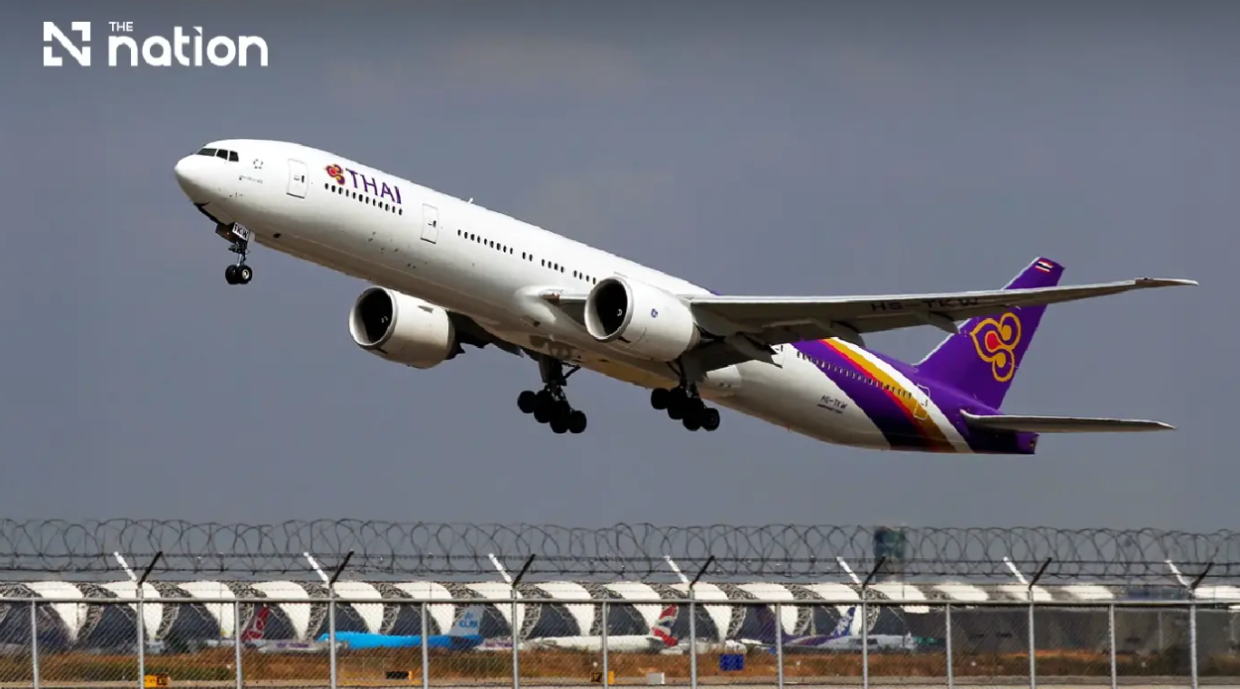
Thai Airways International has committed to full collaboration with Australian law enforcement following the arrest of one of its cabin crew members at Melbourne Airport, marking a significant test of the carrier's compliance protocols and its reputation in the region. Chief Executive Chai Eamsiri made the pledge in response to charges filed against a 26-year-old female employee who arrived on flight TG465 from Bangkok on June 25 carrying what authorities allege was over one kilogramme of heroin with an estimated street value of A$500,000, equivalent to approximately 11.5 million baht.
The severity of the charges underscores the gravity of the situation for both Australian law enforcement and the airline. The Australian Federal Police and Australian Border Force have charged the suspect with importing a marketable quantity of a border-controlled drug and possessing a marketable quantity of a border-controlled drug, each carrying a maximum prison sentence of 25 years. The woman was remanded in custody on June 26 and is scheduled for her next court appearance on September 14 at Melbourne Magistrates' Court, meaning the legal process remains in its early stages with months potentially ahead before resolution.
Acknowledging the incident's potential fallout, Chai emphasized that Thai Airways would not intervene in Australia's legal proceedings and would instead allow the justice system to operate independently. This stance reflects broader international aviation industry practice, where carriers typically distance themselves from criminal matters handled by national authorities. Simultaneously, the airline has moved swiftly on its own administrative front, immediately suspending the employee from duty and establishing a fact-finding and disciplinary panel to conduct an internal investigation under company procedures.
The internal investigation represents Thai Airways' attempt to demonstrate corporate accountability and rigorous standards to both the Australian government and international aviation regulators. The panel is expected to complete its inquiry within seven days, or possibly earlier, with Chai indicating that if misconduct is confirmed, the airline will impose its maximum disciplinary sanction: dismissal from employment. This relatively swift timeline suggests the airline views the matter as sufficiently clear-cut to warrant expedited processing, though the outcome of the Australian legal case will ultimately determine the full scope of consequences.
Chai did not shy away from acknowledging the reputational damage inflicted on Thai Airways by the incident. He expressed concern that the case could complicate travel procedures for Thai crew members and Thai nationals seeking to enter Australia, potentially subjecting them to heightened scrutiny at customs and border control checkpoints. However, he voiced hope that Australian authorities would assess individual cases on their merits rather than applying blanket suspicion to all Thai travellers, a reasonable expectation given Australia's sophisticated border management practices but one that reflects underlying anxiety about collective prejudgment.
To contextualize the challenge, Thai Airways operates with a substantial workforce of over 4,000 cabin crew members and more than 1,000 pilots, making comprehensive supervision of individual conduct a persistent operational difficulty despite robust company policies. The airline maintains established protocols requiring all staff to receive pre-flight briefings on regulatory requirements, prohibited items, and the distinction between lawful and unlawful goods. Yet Chai's acknowledgment that some individual conduct remains difficult to control despite these measures reveals the structural tension between systemic safeguards and human agency that afflicts large organizations across industries.
In response to this incident, Chai has instructed relevant departments to strengthen oversight mechanisms, suggesting that Thai Airways recognizes existing procedures may require enhancement. This represents a tangible commitment to tightening operational controls, though the specific nature of these improvements remains unspecified. The directive signals to regulators and the flying public that the airline is treating the matter with seriousness and implementing remedial measures, though observers will watch closely to see whether announced enhancements materialize into substantive changes.
Thailand's Civil Aviation Authority has also mobilized in response, contacting the airport operator and Thai Airways to monitor developments and review procedures. The CAAT emphasized that passenger and baggage screening at Thai airports adheres to CAAT requirements and aligns with International Civil Aviation Organization standards, effectively asserting that Thai-side security measures meet international benchmarks. This institutional response serves multiple purposes: it reaffirms Thailand's commitment to aviation security standards, it provides assurance to international partners that Thai procedures are sound, and it positions the regulator as an active participant in addressing the incident.
The CAAT clarified an important jurisdictional distinction: aviation security screening exists primarily to prevent items that could endanger aircraft, passengers, and crew, whereas narcotics enforcement falls under law enforcement authority and demands cooperation across domestic and international bodies. This delineation underscores that while the airport screening system successfully prevented the heroin from boarding the aircraft destined for Melbourne, interdicting drugs in transit constitutes a separate enforcement challenge requiring coordinated action among multiple agencies. The regulator indicated it may take action regarding the suspect's crew certificate if wrongdoing is confirmed, demonstrating that Thailand can enforce consequences beyond the airline's disciplinary authority.
For Malaysian and Southeast Asian readers, this incident carries implications beyond the immediate case. It illustrates the vulnerability of international aviation supply chains to individual criminal acts and demonstrates the multi-layered response mechanisms that activate when such incidents occur. The case also highlights tensions between facilitating legitimate international travel and preventing criminal exploitation of commercial aviation infrastructure, a balance that regulatory authorities across the region continuously navigate. The heroin seizure represents a successful interception by Australian border authorities, yet the arrest at destination rather than origin raises questions about pre-flight detection protocols and whether enhanced screening at Bangkok could have prevented the contraband from leaving Thailand.
The incident provides a telling example of how airline reputation, individual conduct, international law enforcement, and aviation regulation intersect in the modern globalized world. Thai Airways' measured and cooperative response, combined with swift internal action, constitutes a textbook approach to managing corporate crisis while respecting legal sovereignty. However, the broader question of how regional carriers can strengthen pre-departure controls to prevent such situations from occurring at all remains pertinent as regulators and airlines across Southeast Asia continue refining security protocols. The seven-day timeline for Thai Airways' internal investigation will conclude well before the Australian legal process reaches resolution, potentially generating additional international headlines if employment termination precedes criminal conviction.

