A Thai Airways employee now faces serious drug trafficking charges in Australia after authorities discovered heroin hidden in their possession during arrival at an Australian airport. The Australian Federal Police confirmed that the individual was charged following the discovery of more than a kilogram of the narcotic substance, marking yet another case in a troubling pattern of drug smuggling attempts by airline personnel across international routes.
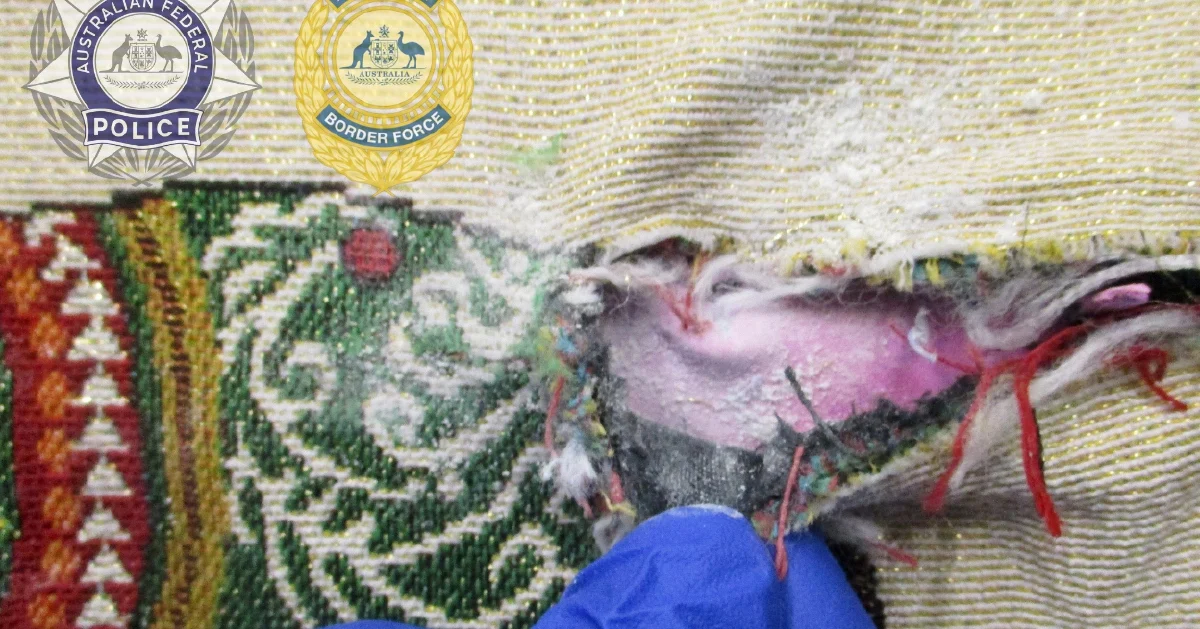
Customs officials conducting standard baggage inspection procedures uncovered the heroin concealed within tote bags carried by the crew member. The discovery highlights how trafficking networks continue to exploit employees of legitimate carriers, who gain easier access through airports and enjoy reduced scrutiny compared to ordinary passengers. This particular case underscores vulnerabilities in aviation security protocols, even as governments throughout the region strengthen border controls.
The significance of this arrest extends beyond Australian borders, carrying implications for Southeast Asian aviation and security cooperation. Thai Airways, one of the region's major carriers, faces reputational challenges as its personnel become implicated in international drug trafficking. Similar incidents involving staff members of regional airlines have emerged periodically, suggesting criminal syndicates actively recruit transportation workers to move contraband across borders.
For Malaysian readers, this case serves as a reminder of the interconnected nature of drug trafficking networks operating throughout Southeast Asia. Australia remains a primary destination market for heroin smuggled from the Golden Triangle and other production zones, with traffickers constantly adapting methods to evade detection. The involvement of airline crew members represents a particularly insidious approach, as their legitimate work credentials and regular border crossings provide cover for illicit activities.
The Australian Federal Police investigation raises questions about pre-employment screening and ongoing compliance monitoring by major airlines operating in the region. While Thai Airways likely maintains security protocols for staff, the case demonstrates that determined criminal organisations can penetrate even established procedures. Regional aviation authorities may need to strengthen cooperation and implement more rigorous background verification systems, especially for personnel with regular international flight access.
Heroin trafficking through air cargo and personnel baggage remains a critical concern for law enforcement across Asia-Pacific nations. The one-kilogram seizure represents a substantial quantity, suggesting this was not a minor personal possession but rather part of a larger distribution operation. Australian authorities will likely examine whether the Thai Airways employee was acting as part of an organised smuggling ring or whether they were coerced into participating.
The case also illustrates why countries like Malaysia maintain strict anti-narcotics policies and substantial penalties for trafficking offences. Australian drug laws impose severe sentences for importing heroin, with quantities exceeding one kilogram typically resulting in substantial prison terms. The contrast with Malaysia's mandatory death penalty for trafficking similar amounts demonstrates the region's varied but uniformly serious approach to combating drug crime.
Thailand itself has faced criticism for drug trafficking problems, with the country serving as both a transit point and production region for methamphetamine and heroin. Thai authorities have conducted high-profile operations against trafficking networks, yet individual cases involving Thai nationals attempting to transport drugs internationally continue to surface. Cooperation between Thai and Australian law enforcement will be crucial in understanding whether this employee had connections to larger criminal organisations.
For Southeast Asian regulatory bodies, this arrest reinforces the necessity of comprehensive vetting procedures for aviation sector employees who handle luggage or have access to cargo areas. Enhanced training on recognising suspicious behaviour and reporting mechanisms could help identify potential trafficking attempts before they reach international departure points. Malaysia's aviation authority and customs service have implemented various security measures, but continued vigilance remains essential.
The investigation into this Thai Airways employee's alleged activities will likely extend to examining their communications, financial records, and associations. Authorities will seek to determine whether the heroin was destined for local Australian consumption or intended for further distribution. Such intelligence could prove valuable for regional law enforcement agencies tracking transnational trafficking networks and their methodologies.
Looking forward, this case may prompt Thai Airways and other regional carriers to implement more stringent internal security measures and employee awareness programmes. The consequences for the accused crew member will be serious, but the broader impact on aviation security protocols and cross-border law enforcement cooperation could prove equally significant for maintaining the integrity of travel and trade infrastructure throughout Southeast Asia and the wider region.

