Terengganu's state government has committed RM3.78 million in funding towards the development and maintenance of Kenyir Geopark, with resources flowing through the Hulu Terengganu District Office. The investment, spanning from 2024 onwards, represents a significant step in the state's strategy to strengthen the geopark's standing as a protected geological heritage site while positioning it for eventual recognition as a UNESCO Global Geopark.
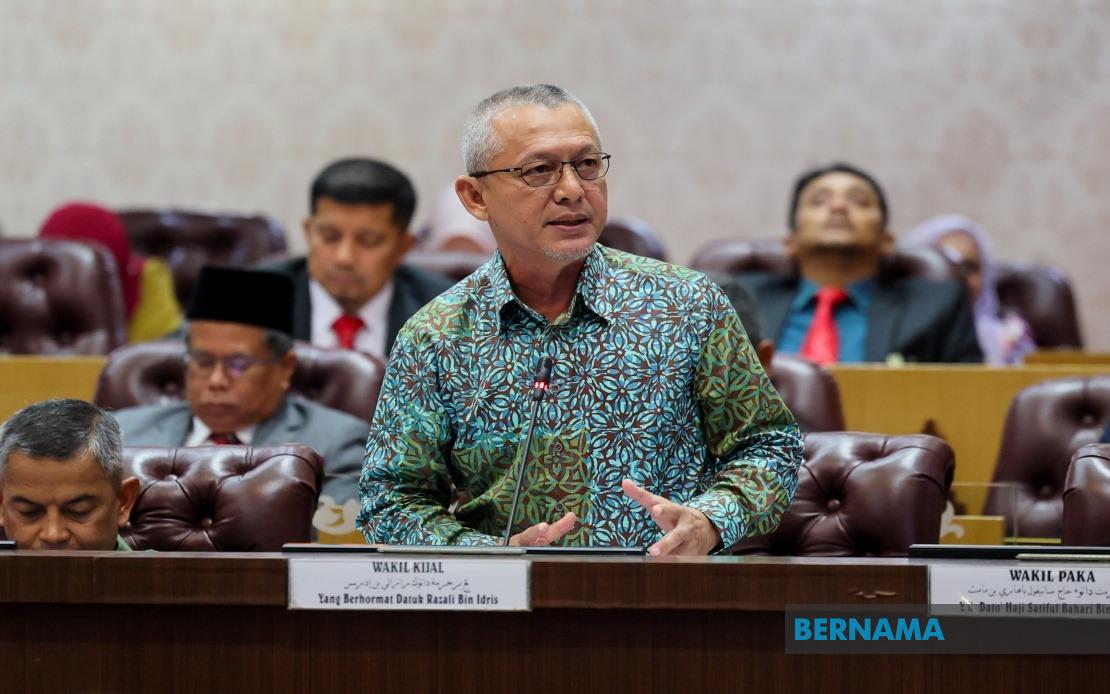
Datuk Razali Idris, chairman of the state's Tourism, Culture, Environment and Climate Change Committee, outlined the comprehensive scope of the allocation during a legislative assembly session. The funding encompasses multiple interconnected objectives: preserving significant geological features and heritage sites, developing commercial geotourism offerings, constructing and upgrading geopark infrastructure, mounting public education initiatives, and equipping local communities with skills to participate meaningfully in geopark management and tourism activities.
The financial commitment reflects growing recognition of Kenyir Geopark's intrinsic value to Terengganu's regional identity and economy. Spanning approximately 244,900 hectares across Hulu Terengganu, the geopark represents a remarkable concentration of natural and cultural assets. Currently, it encompasses 15 distinct geosites—locations of particular geological significance—alongside 10 biosites of ecological importance, 11 cultural heritage sites, and a single geo-archaeological site that documents human interaction with the landscape over centuries.
Conservation efforts form a cornerstone of the development strategy. Notable protected locations include Gua Bewah, Gua Taat, and Batu Bersurat, each possessing high scientific value and contributing to the broader understanding of peninsular Malaysia's geological evolution. By systematically preserving these sites and documenting their characteristics, Terengganu authorities aim to maintain standards required for international geopark certification while safeguarding irreplaceable natural and cultural resources.
The geopark's explosive growth in visitor numbers underscores its emerging appeal as a regional tourism destination. Recorded arrivals reached 454,765 in 2024, more than double the 218,157 visitors counted in 2023—a surge of 108.5 percent. This trajectory indicates that strategic investment in infrastructure, marketing, and visitor facilities can rapidly transform a geologically significant location into a functioning tourism hub, generating economic activity for local communities while simultaneously requiring management frameworks to prevent environmental degradation.
The pathway towards UNESCO Global Geopark designation carries substantial implications for both Terengganu and Malaysia's broader positioning within Southeast Asia's tourism and conservation landscape. UNESCO recognition brings international credibility, attracts high-value tourists, and facilitates knowledge-sharing with similar geopark networks worldwide. For a state like Terengganu, which has historically competed with better-known destinations in Selangor and Penang for tourism investment and visitor attention, securing such designation would mark a significant achievement in destination branding.
Geotourism product development represents another pillar of the strategy. Rather than merely opening sites to casual visitors, the geopark is being developed as an educational tourism experience where visitors gain understanding of geological processes, natural hazards, resource formation, and cultural adaptation to landscape. This approach generates higher spending per visitor, encourages longer stays, and attracts travelers seeking substantive experiences rather than superficial attractions.
Community capacity-building initiatives embedded within the funding allocation address a critical success factor often overlooked in heritage site development. When local populations possess limited understanding of or engagement with geopark objectives, support for conservation measures weakens, and tourism benefits fail to translate into sustainable livelihoods. By investing in training and skill development, Terengganu is attempting to ensure that communities inhabiting and surrounding the geopark become invested stakeholders rather than passive observers.
The RM3.78 million allocation, while modest in absolute terms compared to major infrastructure projects, demonstrates sustained commitment to a multi-year development trajectory. Geopark establishment and UNESCO certification typically require five to ten years of consistent effort, during which site documentation, visitor infrastructure, educational programming, and management frameworks must mature incrementally. Terengganu's decision to commit multi-year funding suggests patience with this longer timeline.
For Malaysian policymakers and regional stakeholders, Kenyir Geopark's development trajectory offers instructive lessons about converting natural heritage into sustainable economic and educational assets. The doubling of visitor numbers within a single year, achievable partly through improved road infrastructure and marketing, demonstrates latent demand for geologically-themed tourism across Southeast Asia. Other states managing significant geological formations might view Terengganu's approach as a template for similar ventures.
The geopark initiative also connects to broader Malaysian commitments regarding environmental sustainability and climate action. Geoparks promote understanding of geological hazards, resource management, and landscape resilience—knowledge increasingly vital as Southeast Asia confronts climate change impacts ranging from sea-level rise to landslide and flood risk. By framing geopark development around these themes, Terengganu positions its investment within contemporary global sustainability discourse.
Moving forward, success will depend on maintaining visitor growth while managing environmental impacts, ensuring equitable distribution of tourism revenues within communities, and sustaining political commitment across electoral cycles. The next critical milestone involves securing formal UNESCO Global Geopark status, which would elevate Kenyir's profile substantially. Should Terengganu achieve this designation, it would join an exclusive global network of certified geoparks and position Malaysia more prominently within international geodiversity conservation initiatives.

