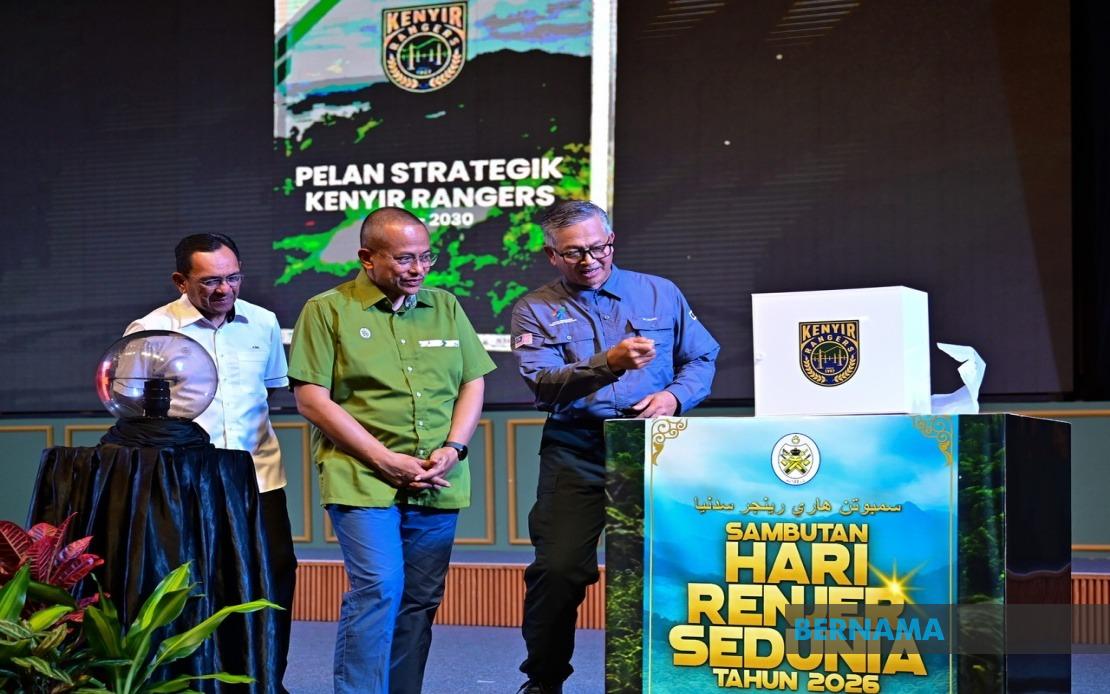
Terengganu Menteri Besar Datuk Seri Dr Ahmad Samsuri Mokhtar has emphasised the urgent need for coordinated action to mitigate dangerous encounters between humans and wildlife, with particular focus on elephant movements near major transportation corridors. Speaking at the state-level World Ranger Day 2026 celebration at Wisma Darul Iman in Kuala Terengganu, he stressed that reducing these incidents requires sustained collaboration across multiple government departments and agencies to develop and implement practical solutions.
The menteri besar's remarks come in the wake of a collision on the East Coast Expressway 2 (LPT2) on 5 August, when a couple in a Toyota Estima struck a herd of elephants at kilometre 274.6, near the Cheneh Toll Plaza en route to Kuala Terengganu. The incident, which left both occupants injured, has reignited discussions about wildlife safety protocols on Malaysia's busy transport networks and the dual risks posed to both animal populations and human road users.
Ahmad Samsuri identified several agencies that must work in tandem to address this challenge, including the Wildlife and National Parks Department and the Malaysian Highway Authority. He underscored that the success of any wildlife management strategy depends fundamentally on these organisations moving beyond isolated efforts to establish systematic, integrated approaches. The menteri besar recognised that existing infrastructure and resources, while substantial, require better coordination to achieve meaningful results in protecting both communities and wildlife.
Among the practical measures under consideration are intensified patrol operations at identified problem areas and the strategic installation of electric fencing near wildlife habitats and established animal migration routes. Ahmad Samsuri acknowledged that while comprehensive fencing along the entire length of Malaysia's expressway network would be prohibitively expensive, targeted installations near critical wildlife zones represent a cost-effective compromise. He indicated that authorities are exploring various technological solutions to complement physical barriers and enhance overall safety outcomes.
The menteri besar was candid about the resource constraints that complicate implementation of these measures. While electric fencing along extensive highway stretches would impose substantial financial burdens on relevant authorities, he noted that multiple innovative technologies are being evaluated to provide viable alternatives. These potential solutions reflect an acknowledgment that conventional approaches alone cannot adequately manage the scale and complexity of human-wildlife interactions along major transport arteries.
Weather patterns, particularly the rainy season, have emerged as a significant variable in understanding wildlife behaviour near highways. Ahmad Samsuri highlighted that during periods of heavy precipitation, animals frequently abandon their natural habitats in search of shelter and alternative water sources, increasing the likelihood of road encounters. He advocated for strengthened highway patrols precisely during these vulnerable months, when wildlife movements become more unpredictable and frequent. This seasonal dimension underscores the need for dynamic, adaptive management strategies rather than static approaches.
The menteri besar's characterisation of the recent LPT2 incident as a tragedy reflects the human dimension of wildlife conflicts, which extend far beyond conservation concerns. He expressed sympathy for the injured couple and acknowledged that the accident represents a sobering reminder of the genuine risks faced by road users in areas where wildlife populations remain robust and mobile. This framing helps contextualise wildlife management not merely as an environmental issue but as a public safety imperative affecting ordinary Malaysians.
Technological advancement offers potential long-term solutions to the challenge, according to Ahmad Samsuri. Early warning systems capable of detecting and communicating wildlife movements to approaching vehicles represent one promising avenue under exploration. Such technology could provide real-time information to drivers, enabling them to reduce speed or take evasive action when animals approach roadways. However, the menteri besar was realistic about timelines, positioning such measures as components of a sustained, multi-year strategy rather than immediate fixes.
The broader policy implications of this situation extend to Malaysia's ongoing development of transport infrastructure and its relationship with wildlife conservation. As the nation continues expanding and upgrading its expressway network to facilitate economic growth and regional connectivity, ensuring these facilities can coexist with viable wildlife populations has become increasingly important. The challenge in Terengganu reflects similar dynamics occurring across other Malaysian states where major highways intersect with wildlife corridors, suggesting that solutions developed here may offer templates for nationwide application.
For Southeast Asia more broadly, the Terengganu situation highlights recurring tensions between infrastructure development and environmental management. As regional economies expand and transportation networks grow more extensive, countries throughout the region face comparable pressures to protect both human interests and wildlife habitats. Malaysia's efforts to develop coordinated responses may provide valuable insights for neighbouring nations grappling with similar conflicts, particularly in areas where major animal populations like elephants roam across multiple jurisdictions.
The menteri besar's emphasis on cooperation rather than regulatory mandates suggests a consultative approach to wildlife management that respects the autonomy and expertise of different agencies while fostering collective responsibility. By framing the challenge as requiring unified effort across the public sector, Ahmad Samsuri has positioned wildlife conflict reduction as a shared institutional goal rather than the exclusive concern of any single department. This collaborative model, if successfully implemented, could establish a precedent for tackling other complex, multi-sectoral challenges requiring sustained inter-agency coordination and resource sharing.

