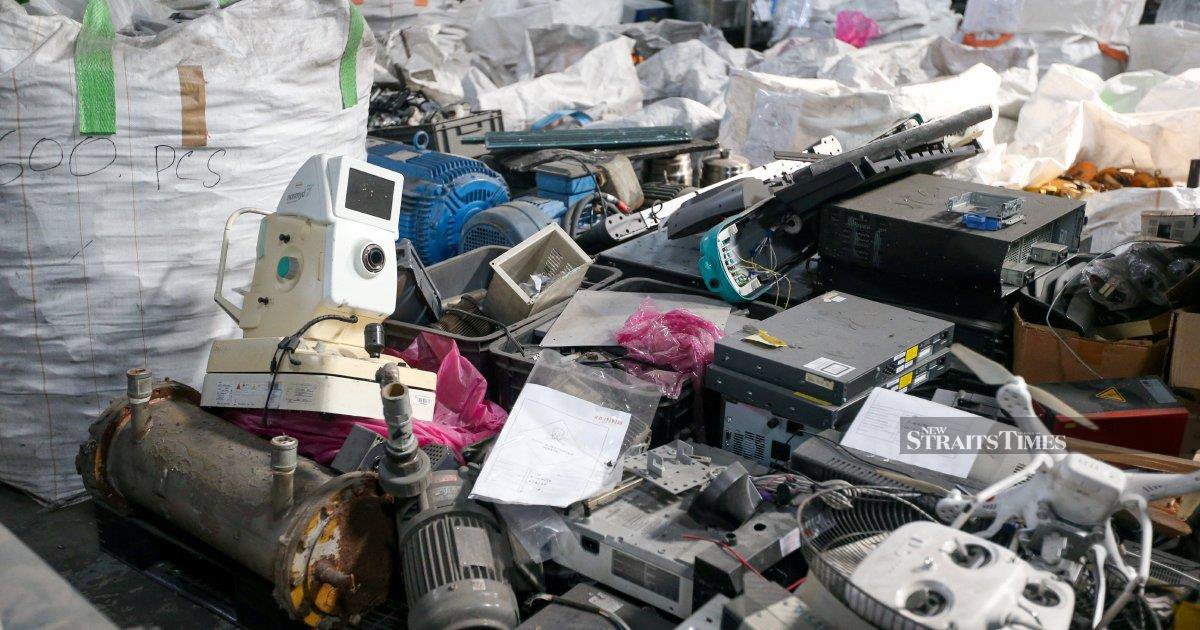
A major development in Malaysia's ongoing battle against official misconduct has seen ten General Operations Force personnel taken into custody as part of an investigation into alleged extortion activities connected to an electronics waste processing factory situated in Tasek Gelugor, Penang. The arrests represent a substantial law enforcement operation targeting potential abuse of power within the federal paramilitary ranks, signalling renewed commitment to holding government agencies accountable for criminal conduct.
The General Operations Force, commonly known as GOF, serves as a federal paramilitary unit under the Home Ministry, typically tasked with maintaining public order, conducting anti-organised crime operations, and providing security support across Malaysia. The involvement of ten of its personnel in alleged extortion activities raises serious concerns about institutional discipline and the mechanisms through which such misconduct might have occurred undetected within the ranks. Such incidents, when they occur, can undermine public confidence in law enforcement institutions and their ability to operate impartially in service of the nation.
E-waste recycling and processing has emerged as an increasingly important industrial sector across Southeast Asia, driven by the region's rapidly expanding consumption of electronics and devices. However, this industry has also attracted unwanted attention from those seeking to exploit regulatory grey areas and weak enforcement mechanisms. The Tasek Gelugor facility, situated in one of Penang's industrial zones, likely processes discarded electrical and electronic equipment containing valuable materials alongside hazardous substances, making it a site of potential regulatory tension between environmental standards, workplace safety, and profitability.
The choice of an e-waste facility as the alleged target of extortion reflects broader patterns observed in Malaysia's enforcement landscape. Operators of such facilities often navigate complex regulatory requirements spanning environmental protection, hazardous materials handling, and labour standards, creating multiple potential intervention points for unscrupulous officials seeking to extract payments. The alleged perpetrators may have exploited this regulatory complexity to demand improper payments under the guise of compliance checks or enforcement actions.
Extortion by law enforcement personnel represents one of the most corrosive forms of official misconduct, as it combines the state's coercive power with criminal intent. When those responsible for upholding the law instead abuse their authority to extract money through threats or intimidation, the entire legitimacy of the justice system comes into question. For businesses operating legitimately, such conduct transforms compliance from a means of ensuring public safety into a mechanism of victimisation. This particular case therefore carries implications extending well beyond the individual officers involved, touching upon questions of institutional integrity and governance.
The industrial and manufacturing sectors in Penang have historically experienced challenges related to enforcement inconsistency and corrupt dealings with regulatory bodies. This latest incident may prompt closer scrutiny of how inspections and compliance verifications are conducted across the state, particularly in industries handling hazardous materials where enforcement visits are routine and frequent. Business associations and industry groups may now seek greater transparency in inspection protocols and documentation requirements to protect member companies from similar exploitation.
Investigations into official misconduct of this severity typically involve multiple agencies working in coordination. The Royal Malaysia Police, Anti-Corruption Commission, and internal disciplinary bodies within the Home Ministry would likely collaborate to establish the full extent of the alleged offences, identify whether systematic patterns existed, and determine appropriate sanctions. The arrest of ten personnel suggests the investigation has advanced beyond initial complaints to the stage of detaining suspects for formal questioning and evidence gathering.
For Malaysian enforcement agencies and the broader public sector, this development underscores the importance of robust internal accountability mechanisms and whistleblower protections. Personnel working within law enforcement and regulatory bodies need to understand clearly that engaging in extortion or similar misconduct will face serious consequences, including criminal prosecution rather than merely administrative discipline. The visibility of this case through media reporting and official announcements serves an important deterrent function, signalling that misconduct will not be tolerated or protected through institutional silence.
The incident also highlights potential vulnerabilities in how smaller industrial operations interface with federal enforcement authorities. Medium-sized businesses, particularly in specialised sectors like e-waste processing, may lack the resources or political connections available to larger corporations, making them potentially easier targets for corrupt officials operating with impunity. Strengthening sector-specific compliance frameworks and encouraging greater industry coordination in reporting enforcement irregularities could help mitigate such vulnerabilities going forward.
Moving forward, the handling of this case will likely influence how both government agencies and private operators approach compliance and enforcement across Penang's industrial landscape. Clear communication from investigating authorities regarding the progress of the investigation and eventual outcomes would help restore confidence that official misconduct does not remain unchecked. For legitimate businesses in e-waste recycling and related sectors, the resolution of this matter may also provide an opportunity to press for clearer, more transparent enforcement standards that reduce opportunities for arbitrary official action.
The broader context involves Malaysia's larger efforts to combat corruption and strengthen institutional integrity across all levels of government. High-profile cases involving security force personnel demonstrate that investigations are willing to reach into sensitive areas and pursue allegations regardless of the status of those involved. Success in prosecuting these cases and implementing meaningful consequences, combined with systemic reforms addressing the conditions that enable such misconduct, will ultimately determine whether such incidents become increasingly rare or continue to reflect deeper problems within enforcement institutions.

