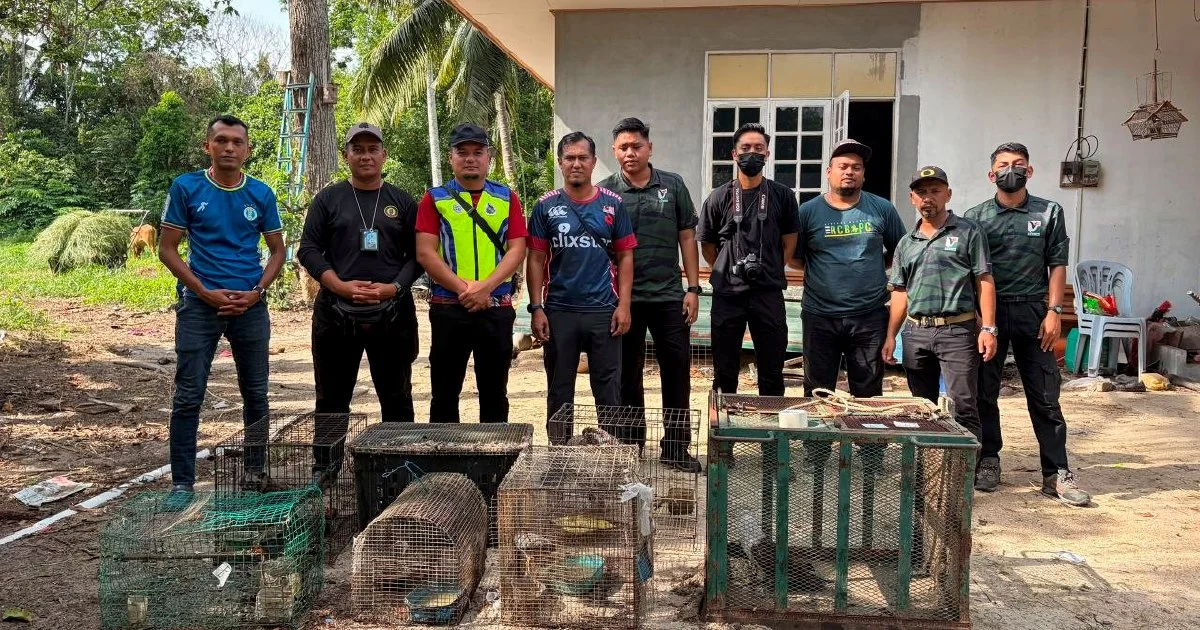
Enforcement authorities in Tumpat, Kelantan have apprehended an 18-year-old suspect discovered with a substantial collection of illegally held protected animals during a coordinated raid operation. The seizure, which included four separate species totalling RM48,500 in estimated value, underscores the persistent challenge of wildlife trafficking across Malaysia despite increasingly stringent penalties and public awareness campaigns. The successful operation marks another victory for enforcement teams working to dismantle networks that profit from endangered species smuggling.
The arrest occurred following a planned enforcement action in the Tumpat area, which sits along Kelantan's northern coastline and has historically served as a transit point for illegal wildlife trade. The suspect's age—just 18 years old—highlights an alarming trend of younger individuals becoming involved in animal trafficking operations, often recruited by larger criminal syndicates seeking to exploit inexperience and legal vulnerabilities of juveniles. Authorities have noted that such operations frequently target young people with promises of quick financial returns, gradually drawing them deeper into organized wildlife crime.
The confiscated animals represent four distinct species, each protected under Malaysian federal and state wildlife legislation. The substantial monetary valuation assigned to the seized specimens reflects both the rarity of the species and the inflated market prices that drive illegal demand. On black markets, particularly in neighbouring countries and across Asia-Pacific regions, protected Malaysian fauna command premium prices from collectors and those seeking animals for unregulated breeding or medical purposes. The RM48,500 value suggests the suspect may have been operating as part of a larger trafficking network rather than acting independently.
Protected wildlife enforcement in Malaysia typically falls under the purview of the Department of Wildlife and National Parks (Perhilitan), which coordinates with police and customs authorities to intercept illegal shipments and conduct raids on suspected holding facilities. Such coordinated operations require intelligence gathering, surveillance, and cooperation between federal and state agencies—a level of interdepartmental coordination that has significantly improved over recent years. The Tumpat raid demonstrates this enhanced capacity to identify and apprehend suspects before animals are transported across state or national borders.
Kelantan's location on the east coast and proximity to Thailand creates particular vulnerabilities in the region's wildlife protection efforts. Cross-border smuggling networks routinely exploit porous land and maritime boundaries to move contraband animals, and enforcement agencies constantly adapt their strategies to counter increasingly sophisticated trafficking methods. The state has become a focal point for both enforcement initiatives and capacity-building programmes aimed at strengthening wildlife crime detection and prosecution capabilities.
The legal consequences for wildlife trafficking in Malaysia are substantial, with the Wildlife Conservation Act 2010 and its state equivalents providing for imprisonment and significant fines. Convicted offenders typically face sentences ranging from two to five years imprisonment, accompanied by financial penalties that can reach six figures. For juveniles like this 18-year-old suspect, the legal outcome may involve different considerations, including the possibility of rehabilitation programmes or reduced sentences, though the seriousness of the charges remains consistent. Repeat offenders or those involved in organized trafficking networks face enhanced penalties.
The four species seized in this operation join thousands of other animals confiscated annually by Malaysian enforcement authorities. Many of these animals require specialized care following their rescue, and rehabilitation facilities throughout the country work to restore confiscated specimens to health before potential release into protected habitats. The psychological and physical trauma experienced by illegally trafficked animals often renders them unsuitable for release and contributes to long-term care costs that place enormous strain on conservation resources.
Wildlife trafficking represents a significant transnational criminal activity estimated to generate billions of dollars globally each year. Southeast Asia, with its extraordinary biodiversity and relative ease of transport to high-demand markets in Asia, remains a critical trafficking zone. Malaysian law enforcement increasingly recognizes trafficking as a serious organized crime threat comparable to drug smuggling, requiring similar levels of investigative sophistication and inter-agency coordination. The apprehension of younger offenders provides opportunities for intelligence gathering that may lead authorities toward network leaders and major trafficking hubs.
Public reporting and community awareness have become crucial components of enforcement strategy, with rewards programmes and tip-off mechanisms encouraging citizens to report suspicious wildlife activity. The Tumpat arrest likely resulted from such community intelligence combined with proactive enforcement patrols. Sustained public engagement remains essential to combat trafficking, as criminal networks depend on complicit silence and operate most effectively in environments where illegal activities are concealed rather than reported. Educating Malaysians about the conservation importance of protected species and the criminal consequences of trafficking helps create social deterrents that complement legal mechanisms.
Looking forward, the case highlights the need for continued investment in enforcement capacity, judicial training on wildlife crime, and international cooperation with neighbouring countries and major consumer markets. As wildlife trafficking becomes increasingly organized and profitable, Malaysian authorities must maintain momentum in investigations, prosecutions, and prevention efforts. The arrest of this teenager serves as both a cautionary tale for potential offenders and a testament to enforcement agencies' commitment to protecting Malaysia's irreplaceable natural heritage from exploitation.

