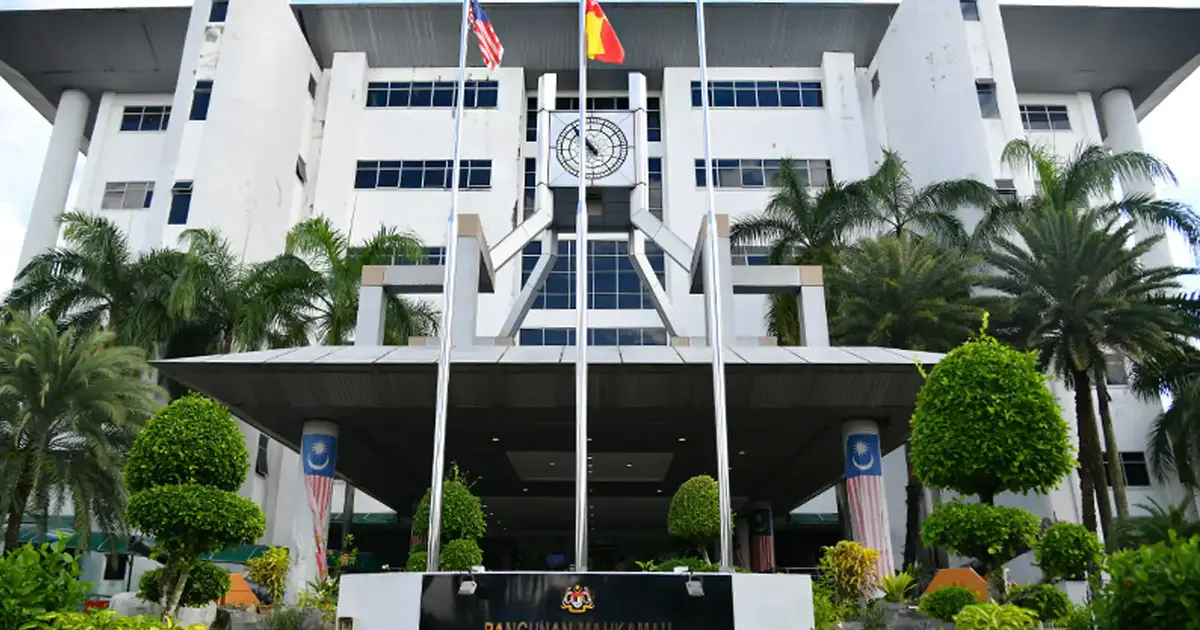
A 15-year-old boy accused in relation to a fatal incident at a Bandar Utama school has been ordered to enter his defence after Shah Alam High Court judge Adlin Abd Majid determined that the prosecution had successfully demonstrated a prima facie case. The judicial determination marks a significant milestone in the proceedings, moving the matter beyond the threshold examination phase and into substantive defence arguments from the accused.
The judge's decision followed the prosecution's presentation of evidence designed to establish the essential elements of the allegations. A prima facie finding requires the court to conclude that sufficient credible evidence exists on each ingredient of the charge such that, if accepted at face value and believed by the trier of fact, would result in a conviction. By ordering the teenager into defence, the judge signalled that the Crown had cleared this evidentiary hurdle.
The case has drawn considerable public attention given the serious nature of the allegations and the youth of the accused. School-related incidents involving teenagers have become an increasingly concerning issue across Malaysia and the broader Southeast Asian region, prompting debates about juvenile justice, school safety, and adolescent behaviour intervention programmes. The Bandar Utama incident, being located in one of Selangor's prominent residential and commercial areas, has amplified local and national interest in the outcome.
Under Malaysia's criminal procedure framework, the requirement for an accused to enter defence after a prima facie determination reflects a two-stage evidentiary assessment. The first stage examines whether the prosecution has presented sufficient evidence to prove guilt beyond reasonable doubt. The second stage, now commencing, permits the defence to present its own evidence, challenge the prosecution's case, or both. This structure ensures that neither unfounded charges nor inadequately investigated matters proceed to conviction without proper examination from both sides.
For the young accused and his legal team, entering defence presents a critical juncture. They may choose to call witnesses, present documentary evidence, or submit arguments questioning the prosecution's interpretation of events or evidence reliability. The defence strategy will likely focus on undermining the credibility of key prosecution witnesses, introducing alternative explanations for the evidence presented, or establishing reasonable doubt regarding critical factual elements.
The involvement of a minor in such proceedings also invokes distinct legal considerations within Malaysia's juvenile justice system. While criminal responsibility attaches at age ten, juvenile courts typically handle cases involving youths under eighteen with different evidentiary standards, sentencing frameworks, and rehabilitative objectives compared to adult criminal trials. The direction that this case proceeds in Shah Alam High Court, rather than a juvenile court, suggests the gravity with which authorities view the allegations.
The prima facie determination by Judge Adlin Abd Majid represents a careful assessment of the evidence presented during the earlier stage of proceedings. The judge would have evaluated witness testimony, physical evidence, forensic findings if applicable, and documentary materials to determine whether they collectively support the charges. The judge's reasoning, typically delivered from the bench, would articulate the specific evidence supporting key factual conclusions that the prosecution must prove.
For the broader Malaysian public and particularly for residents of Bandar Utama and surrounding communities, the case raises important questions about school safety infrastructure, crisis intervention protocols, and support systems for troubled adolescents. Recent years have witnessed growing recognition that young people involved in serious incidents often face complex personal, psychological, or environmental challenges that contributed to their actions. These underlying factors become increasingly relevant during the defence and sentencing phases.
The upcoming defence phase will likely reveal significant information about the circumstances surrounding the incident, the accused's background, and the evidence upon which both parties rely. Media coverage and public interest will probably intensify as proceedings advance and both the prosecution and defence present their respective accounts and arguments.
From a legal precedent perspective, the outcome of this case could influence how similar matters involving young offenders are handled within the Malaysian court system. Judicial decisions regarding evidentiary weight, witness credibility assessment, and the application of criminal law to juveniles often shape subsequent prosecutions and legal interpretations by practitioners and lower courts.
As the defence phase commences, legal observers and the families of those affected by the Bandar Utama incident will closely monitor developments. The court's ultimate determination will depend on how effectively the defence counters the prosecution's evidence and whether the cumulative weight of all evidence presented sustains guilt beyond reasonable doubt. The case underscores the Malaysian judiciary's role in balancing the serious nature of criminal allegations with fair procedures that protect the rights of accused persons, including juveniles.

