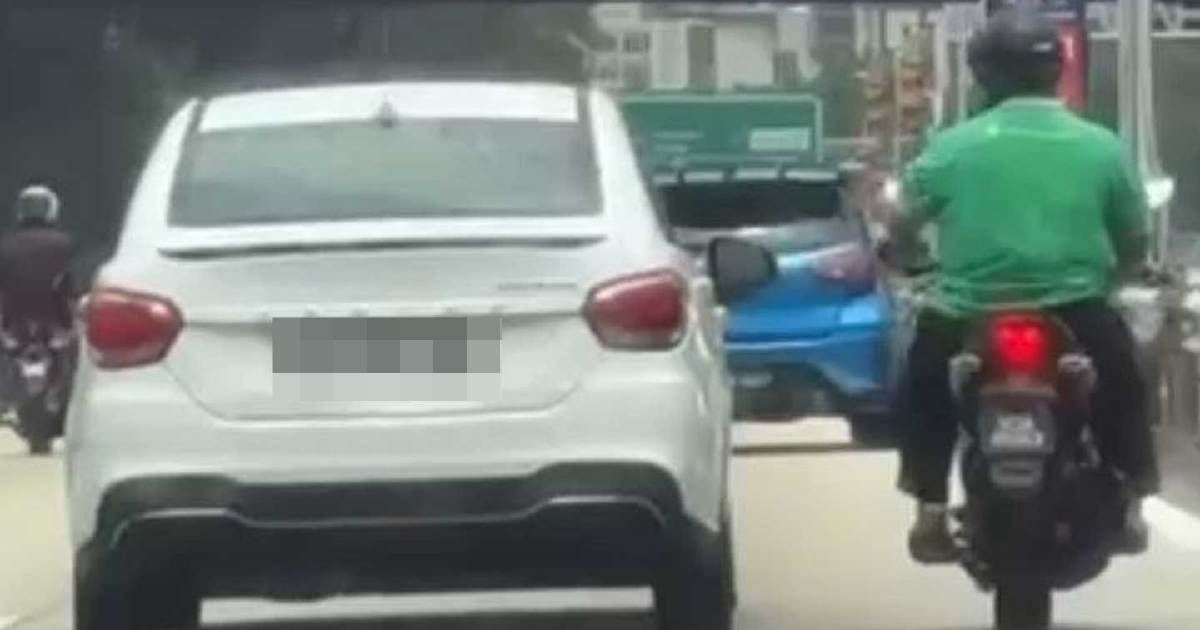
A technician in his 30s faces police action following an aggressive road rage incident on the Kuala Lumpur-Seremban Expressway in the Sungai Besi area yesterday. The man was detained after allegedly hurling a stone at another vehicle, an act that underscores the alarming frequency of violent confrontations erupting between motorists on Malaysia's busy highway networks. Preliminary investigations suggest the incident stemmed from a dispute that escalated during the journey, with the suspect's actions putting both drivers and passengers at potential risk on one of Kuala Lumpur's most heavily trafficked corridors.
Road rage incidents have become an increasingly serious public safety concern across Malaysia's expressway system. The Kuala Lumpur-Seremban Expressway, which serves as a critical link between the capital and Negeri Sembilan, experiences substantial daily traffic volumes, particularly during peak hours. When conflicts arise on such thoroughfares, the consequences can be severe—not only for those directly involved but also for innocent motorists navigating the same stretch. Stone-throwing specifically presents a particularly grave hazard, as projectiles can shatter windscreens, obstruct driver visibility, or cause vehicles to veer into other lanes, potentially triggering multi-vehicle collisions.
The circumstances surrounding this particular confrontation remain under investigation by the Royal Malaysian Police. Authorities are examining whether any additional offences were committed prior to the alleged stone-throwing, including traffic violations, verbal altercations, or dangerous driving behaviours that may have precipitated the dispute. Understanding the sequence of events leading to such incidents is crucial for law enforcement to establish accountability and determine the appropriate charges, which could range from simple assault to causing grievous hurt, depending on whether any injuries resulted from the suspect's actions.
Incidents of this nature reflect broader tensions within Malaysia's driving culture. The pressure of modern commuting—combined with time constraints, congested roads, and the anonymity afforded by vehicle interiors—can transform minor traffic disagreements into volatile confrontations. The suspect's alleged resort to projectile violence suggests a critical breakdown in conflict resolution and impulse control, behaviours that endanger public safety and demonstrate why road discipline and emotional regulation must be central to driver education and enforcement strategies.
From a legal standpoint, the arrest represents police efforts to address aggressive driving behaviours and hold perpetrators accountable. Malaysian road laws provide specific provisions addressing assault using weapons or dangerous objects, and such charges typically carry jail sentences and fines upon conviction. The fact that the incident was witnessed or documented—evidenced by the reference to video evidence in the original reporting—means there may be clear proof of the suspect's actions, potentially strengthening the prosecution's case. This documentation also serves as a deterrent, as would-be offenders should understand that modern surveillance systems throughout expressways and vehicles increase the likelihood of apprehension.
The broader implications for Malaysian highway safety are significant. Road rage incidents consume police resources, divert attention from other critical safety operations, and create an environment of hostility that undermines the safety culture necessary for secure road conditions. Insurance claims arising from such conflicts also increase premiums for all motorists, placing financial pressure on the driving public. Moreover, the presence of violence on expressways can have psychological impacts on other drivers, amplifying anxiety and stress during commutes.
For commuters and business professionals using the Kuala Lumpur-Seremban Expressway regularly, incidents like this serve as sobering reminders of the importance of defensive driving practices. Maintaining safe following distances, avoiding eye contact with aggressive motorists, refraining from gesture-based responses to provocation, and reporting dangerous driving to authorities through the Road Transport Department or police all represent practical steps individuals can take to protect themselves. The technician's arrest sends a message that authorities take such violations seriously and will pursue legal consequences.
The role of vehicle dashcam footage and surveillance systems has become increasingly important in substantiating road rage allegations and supporting prosecution efforts. As more Malaysian drivers install dashcams—both to protect themselves and to document traffic incidents—the evidentiary foundation for prosecuting road rage offenders strengthens considerably. This technological shift may serve as an informal deterrent, as potential offenders recognise their actions are more likely to be recorded and presented as evidence in court.
Moving forward, comprehensive approaches to reducing road rage incidents must encompass enhanced driver education emphasising emotional intelligence and conflict de-escalation, consistent enforcement against aggressive driving behaviours, improvements to expressway infrastructure that reduce bottlenecks and frustration, and public awareness campaigns highlighting the dangers and legal consequences of road violence. The arrest of this technician represents one enforcement action, but systemic change requires sustained commitment across multiple sectors to cultivate a safer, more respectful road culture throughout Malaysia's highway system.

