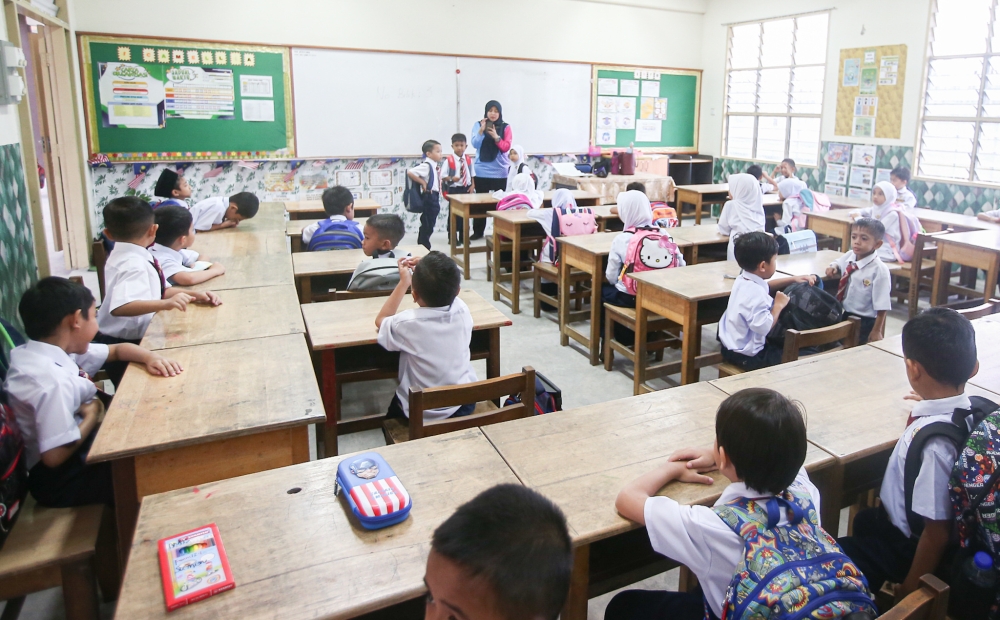
The National Union of the Teaching Profession (NUTP) has thrown its weight behind proposed legislation designed to shield educators from legal liability and online hostility stemming from disciplinary actions in schools. The union's support signals growing concern within Malaysia's education sector that teachers are becoming overly cautious about correcting student misbehaviour due to fear of litigation and viral social media campaigns targeting individual educators.
A culture of legal defensiveness is beginning to reshape classroom management practices across the country. Teachers report increasing anxiety about taking ordinary disciplinary steps—from detention to academic sanctions—when facing the prospect of lawsuits from parents or coordinated online campaigns. This apprehension carries significant implications for school governance and the maintenance of learning environments where order and accountability remain foundational to effective instruction.
The proposed Teachers' Protection Act represents an attempt to rebalance the relationship between parental rights, legal oversight, and pedagogical authority. Under current arrangements, educators operate in an uncertain legal landscape where actions taken in good faith can trigger costly court proceedings or reputational damage through social platforms. The NUTP argues that this uncertainty undermines teacher confidence and ultimately harms students by allowing behavioural standards to erode.
Online backlash has emerged as a particular flashpoint. Individual teachers face sustained campaigns on social media when parents disagree with discipline decisions, sometimes accompanied by demands for termination or public apologies. These campaigns can spread rapidly across messaging applications and social networks, reaching audiences far beyond the school community. For teachers in a profession already demanding significant emotional labour, the prospect of becoming the target of organised digital criticism represents a substantial professional hazard.
Legal threats present concrete obstacles as well. Parents increasingly resort to courts to challenge disciplinary measures, forcing teachers and school administrators to defend decisions through expensive litigation processes. Even when educators ultimately prevail, the legal costs and time investment impose burdens that many in the profession cannot easily absorb. Younger teachers, particularly those early in their careers, report particular anxiety about becoming entangled in protracted legal disputes.
The underlying tension reflects broader shifts in Malaysian society regarding authority, parental involvement, and accountability. Where previous generations accepted teacher authority relatively unquestioningly, contemporary parents increasingly scrutinise and contest decisions affecting their children. While parental engagement in education carries genuine benefits, the current dynamic has shifted calibration such that teachers perceive enforcement of behavioural standards as increasingly fraught with professional risk.
Without protective legislation, the incentive structure facing teachers gradually tilts toward inaction. A teacher contemplating whether to enforce a particular rule must weigh the immediate pedagogical benefit against potential legal consequences and reputational damage. Over time, this calculus can lead to inconsistent discipline, students learning that rules lack meaningful enforcement, and ultimately deterioration of the classroom environment for the majority who respect behavioural boundaries.
The NUTP's advocacy signals recognition that the profession cannot function effectively under constant threat of legal and reputational attack. Teacher recruitment and retention already face challenges in Malaysia as younger workers consider alternative careers offering better work conditions and clearer boundaries. Exacerbating professional insecurity through legal exposure risks accelerating attrition and discouraging talented individuals from entering the profession initially.
Protective legislation would establish clear parameters around which disciplinary actions fall within teachers' professional remit and specify the legal threshold necessary for parents or others to challenge those decisions. Such frameworks exist in various forms internationally, often requiring that challenges demonstrate genuine misconduct or abuse rather than merely disputing the wisdom of particular decisions. Malaysia's proposal likely aims toward similar clarity.
The reform also touches on broader questions about how Malaysian society wants schools to function. Communities ultimately benefit when educators feel empowered to maintain orderly learning environments and when students understand that behaviours trigger consistent consequences. Conversely, environments where discipline becomes discretionary and inconsistently applied typically favour students adept at gaming systems over those genuinely committed to learning.
Implementation would require careful calibration to preserve legitimate accountability mechanisms while restoring teacher confidence. Protections should not shield genuinely abusive conduct, yet they must provide reasonable latitude for educators making good-faith disciplinary decisions. Policymakers will need to consult extensively with educators, parents, and legal experts to construct provisions that serve these sometimes-competing objectives.
The NUTP's backing suggests the teaching profession itself views such legislation as necessary for institutional health. Coming from within the education sector rather than being imposed externally, this support carries weight with policymakers and signals that teachers are not seeking blanket immunity but rather reasonable professional protections enabling them to perform core functions. The coming debate around the Teachers' Protection Act will ultimately reflect how Malaysian society values classroom order, teacher authority, and educational outcomes.

