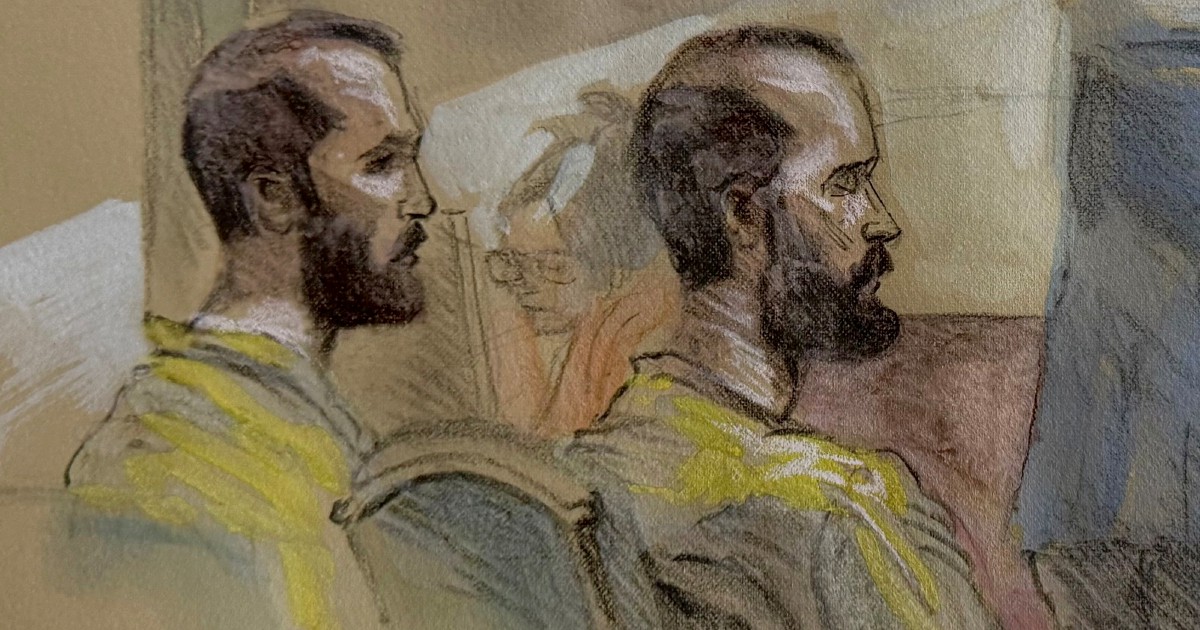
The Tate brothers, who built substantial followings across social media platforms, will continue their detention at a federal facility in Miami as their legal battle against extradition to Britain unfolds. During proceedings in Miami federal court on Thursday, Magistrate Judge Lauren Louis opted not to immediately decide on the siblings' bail request, effectively keeping them in custody while she prepares a more detailed ruling. This decision marks another setback for Andrew and Tristan Tate in their efforts to secure release during what promises to be a protracted legal struggle.
The two men are sought by British authorities on rape allegations, charges that carry severe criminal implications in the United Kingdom. Their continued detention represents a significant development in a case that has attracted international media attention, particularly given their prominence as digital content creators who accumulated millions of followers through social media platforms and online personas. The gravity of the allegations against them has made securing bail increasingly difficult, as courts weigh the severity of charges against flight risk considerations.
For Malaysian and Southeast Asian readers, the case highlights the complex jurisdictional issues that arise when digital influencers operate across multiple countries. The Tate brothers' business operations and fan base extended well beyond the US and UK, raising questions about the extraterritorial reach of law enforcement and how different nations cooperate in criminal matters. This internationalisation of influencer culture means that individuals operating primarily online can face legal exposure in numerous jurisdictions, a reality that has not always been apparent to content creators focused solely on building audiences.
The extradition proceedings themselves require navigating substantial legal hurdles. Rather than immediately releasing the men on bail, the judge's decision to delay her ruling suggests she is carefully considering the arguments presented by both the defence and prosecution. This measured approach is typical in high-profile cases where extradition requests from allied nations are involved. The outcome of such proceedings often turns on technical legal questions about evidence admissibility and the strength of British authorities' case, not merely on the seriousness of allegations.
Their status as social media figures has added a layer of public interest to what might otherwise be a routine extradition matter. Both men cultivated carefully constructed online images that projected success and influence, accumulating significant wealth through various business ventures tied to their online presence. The disparity between their public personas and their current circumstances in federal detention has not escaped media or public notice, serving as a reminder that digital influence does not confer immunity from criminal accountability.
The UK authorities pressing for extradition must establish sufficient grounds under bilateral extradition treaties between the United States and Britain. American courts scrutinise such requests carefully, ensuring that dual criminality exists—meaning the alleged conduct violates laws in both jurisdictions—and that the evidence meets threshold requirements for proceeding. This procedural safeguard protects individuals from arbitrary transfers and ensures that extradition serves legitimate law enforcement purposes rather than political objectives.
For the brothers' legal team, the strategy now involves contesting the extradition request comprehensively while simultaneous bail arguments proceed. Delaying the judge's ruling, while leaving them in detention, actually provides their lawyers additional time to prepare substantive challenges to extradition. They will likely argue that British courts lack proper jurisdiction, that the evidence is insufficient, or that procedural irregularities occurred in how the case was built. Each avenue represents a potential path to remaining in US jurisdiction rather than facing trial in Britain.
The implications extend beyond these two individuals. The case illustrates how aggressively law enforcement agencies now pursue allegations against online personalities, particularly regarding offences involving vulnerable parties. As social media platforms have become more integral to commerce and celebrity, regulatory and enforcement attention has sharpened. The precedent being set through this extradition battle will influence how similar cases are handled in future, affecting not only the Tate brothers but potentially other digital influencers operating transnationally.
Detention pending extradition determinations can extend for many months, particularly when multiple appeals and procedural challenges are introduced. The brothers now face an uncertain timeline, with the judge's upcoming ruling serving as just one step in what could become a years-long legal process. Magistrate Judge Louis's decision to withhold immediate bail ruling, while they remain in custody, positions her to consider more thoroughly the substantive merits of their extradition challenge rather than rushing to judgment.
For observers in Southeast Asia, where social media influence operations have spawned similar personalities and business models, the case serves as cautionary evidence about the global legal framework now encompassing digital creators. Unlike previous generations of celebrities whose activities remained within national borders, influencers operate in an interconnected ecosystem where actions in one jurisdiction can trigger investigations in others. The Tate brothers' predicament underscores that offshore wealth accumulation and international fan bases do not exempt individuals from criminal accountability in multiple countries simultaneously.
Their continued detention also reflects shifting attitudes toward extradition among US authorities. Rather than reflexively resisting transfers of US residents to foreign jurisdictions, American courts increasingly honour extradition requests from democratic allies when sufficient evidence exists. This represents a departure from earlier eras when US protectionism was more pronounced. For the Tate brothers, this judicial evolution works against their interests as they contest being returned to Britain for trial.
As the legal process unfolds, the brothers remain in federal custody, their bail status suspended until Judge Lauren Louis issues her forthcoming determination. The ruling, whenever it arrives, will provide clarity on whether they can post bail and gain temporary release pending extradition hearings, or whether they will remain detained throughout the process. Either outcome will carry implications for subsequent stages of litigation and their overall legal strategy moving forward.

