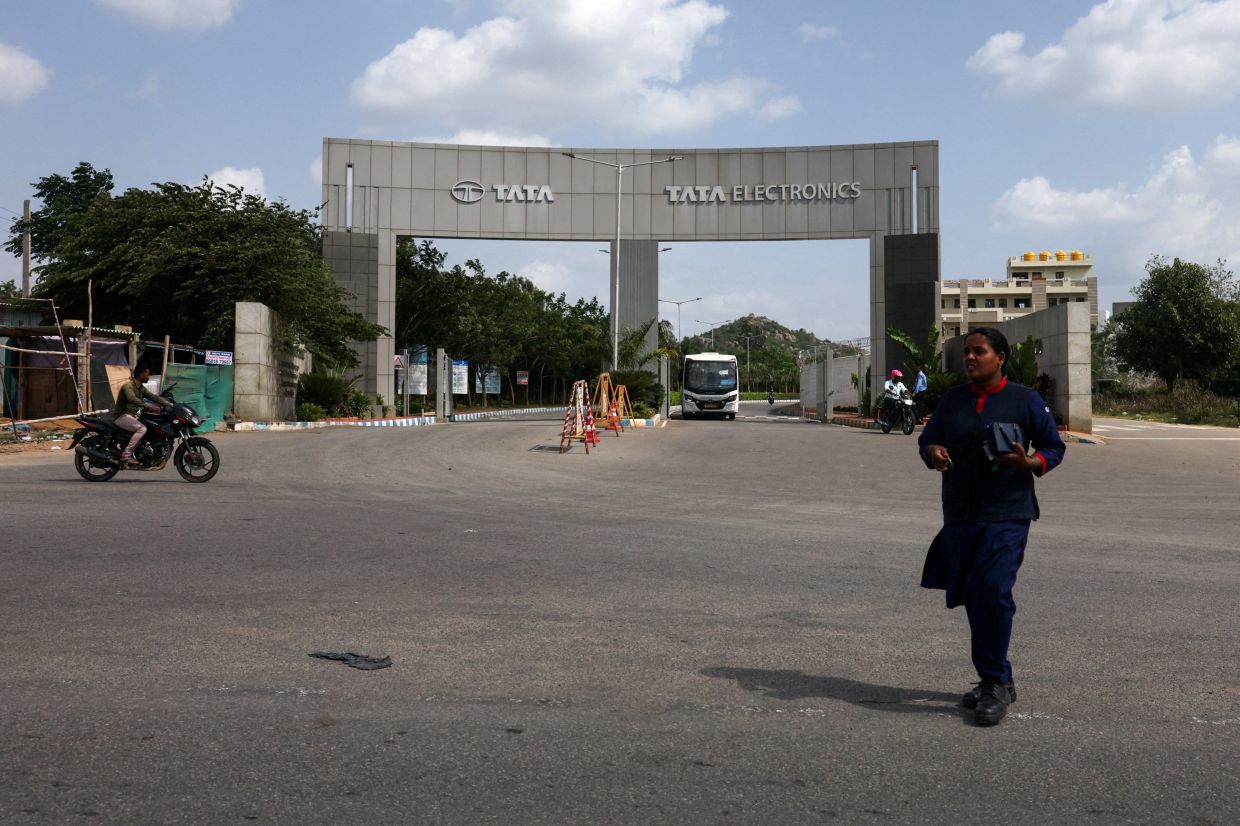
Tata Electronics acknowledged on Monday that it had discovered a cybersecurity intrusion affecting some of its systems, following disclosures by security researchers that the ransomware group World Leaks had posted what it claimed were confidential component designs and technical specifications belonging to Apple and Tesla, both major clients of the Indian conglomerate.
The scope of the breach is substantial. World Leaks has made available more than 200,000 files on the dark web, according to security researchers who examined the dump. The Indian company stated that it activated its incident response procedures immediately upon detection of the breach occurring weeks earlier, emphasizing that the intrusion had caused no operational disruption to any of its business divisions. However, the incident carries significant implications not only for the affected technology giants but also for India's broader ambitions to establish itself as a major global electronics manufacturing centre.
Apple launched its own investigation into the incident and initiated comprehensive analysis of the stolen material, according to sources familiar with the matter who also revealed that Tata received an extortion demand tied to the breach. Despite repeated requests for clarification, Apple has offered no public statement on the situation. Tata declined to address questions regarding the ransom demand specifically. This breach represents another complication in Apple's supply chain operations in India, arriving at a moment when the company confronts additional scrutiny over environmental concerns at one of Tata's iPhone manufacturing locations, where contamination of surrounding agricultural land has been alleged.
Tata's expanding partnership with Apple constitutes a cornerstone of Prime Minister Narendra Modi's strategic initiative to transform India into a major electronics manufacturing destination, reducing reliance on Chinese production. Within this context, Tata has become indispensable to Apple's diversification efforts outside China. The Indian company now accounts for approximately one-third of Apple's iPhone production capacity in India, with Foxconn handling the remainder. This represents significant progress in India's manufacturing capabilities, yet the security incident underscores the vulnerabilities that accompany rapid industrial expansion. The situation gains additional weight given that Tata's British subsidiary, Jaguar Land Rover, experienced a substantial cyberattack the previous year that halted manufacturing for six weeks, suggesting a pattern of cyber vulnerability across the conglomerate's operations.
World Leaks has previously claimed responsibility for breaches targeting other major corporations, including sportswear manufacturer Nike. The group claims the Tata Electronics data encompasses more than 200,000 files totalling over 630 gigabytes in size. An examination of the exposed data reveals numerous folders apparently belonging to Apple, some with titles such as "com.apple.factorydata" alongside documents referencing material specifications. Indian cybersecurity researcher Rajshekhar Rajaharia, who examined the compromised files for analysis, documented that the collection also includes employee electronic communications, system event logs spanning multiple years, and copies of identification documents from both Indian and international staff members.
The breach's significance extends to Tesla operations as well. Within the World Leaks database sits a folder identified as "NV36 Chargeport Controller - North America", purporting to reference components manufactured for an enhanced iteration of Tesla's Model Y sport utility vehicle. Another document, apparently from Tesla's 2023 records and marked as containing trade secrets, displays technical drawings purportedly related to Project Highland, an internally designated development codename that has become publicly recognized as referring to Tesla's redesigned version of its Model 3 sedan. A second security researcher, Rakesh Krishnan, confirmed to Reuters that the data dump became accessible on the dark web platform by 10 June, indicating the breach remained undetected or unreported for a considerable period.
The stolen material reveals the comprehensive nature of the intrusion into Tata's systems. A search query for "Apple" across the database returned 181 separate files and folders, whilst searching for "Tesla" produced files containing what appeared to be manufacturing specifications and assembly documentation dated as recently as May 2025. Notably, certain documents retained footer markings explicitly stating proprietary and confidential ownership by Apple and Tesla respectively, suggesting the files were extracted with their original security classifications intact. Among the exposed Apple materials was a 52-page document bearing Apple's proprietary markings that purportedly detailed quality inspection protocols for iPhone circuit board components. Furthermore, 33 files and folders referenced "Hosur", the location of Tata's principal iPhone assembly facility located in Tamil Nadu state, indicating detailed knowledge of facility-specific operations.
The incident's timing and scope highlight the mounting threat posed by sophisticated ransomware operations to multinational supply chains. Tata notified certain employees working within its iPhone assembly operations of the data compromise during the previous week, according to industry sources familiar with the situation. The breach demonstrates how even established manufacturing partners implementing security measures remain vulnerable to determined threat actors, particularly given the valuable intellectual property concentrated at facilities producing cutting-edge consumer electronics. For Malaysia and the broader Southeast Asian region, the incident serves as a cautionary reminder that the shift toward manufacturing diversification away from China, whilst strategically sound, introduces new cybersecurity challenges that host countries and foreign investors must address collaboratively.
The Indian Computer Emergency Response Team, the government agency responsible for managing cyber incidents under India's Information Technology Ministry, did not immediately provide comment on the situation when contacted by international media. The absence of rapid official acknowledgement raises questions about the coordination between private sector companies, security researchers, and government authorities in responding to major breaches. As India positions itself as an alternative manufacturing destination for technology companies seeking to reduce China exposure, strengthening cyber incident response frameworks and international coordination mechanisms becomes increasingly critical for maintaining investor confidence and protecting national strategic interests in the electronics sector.