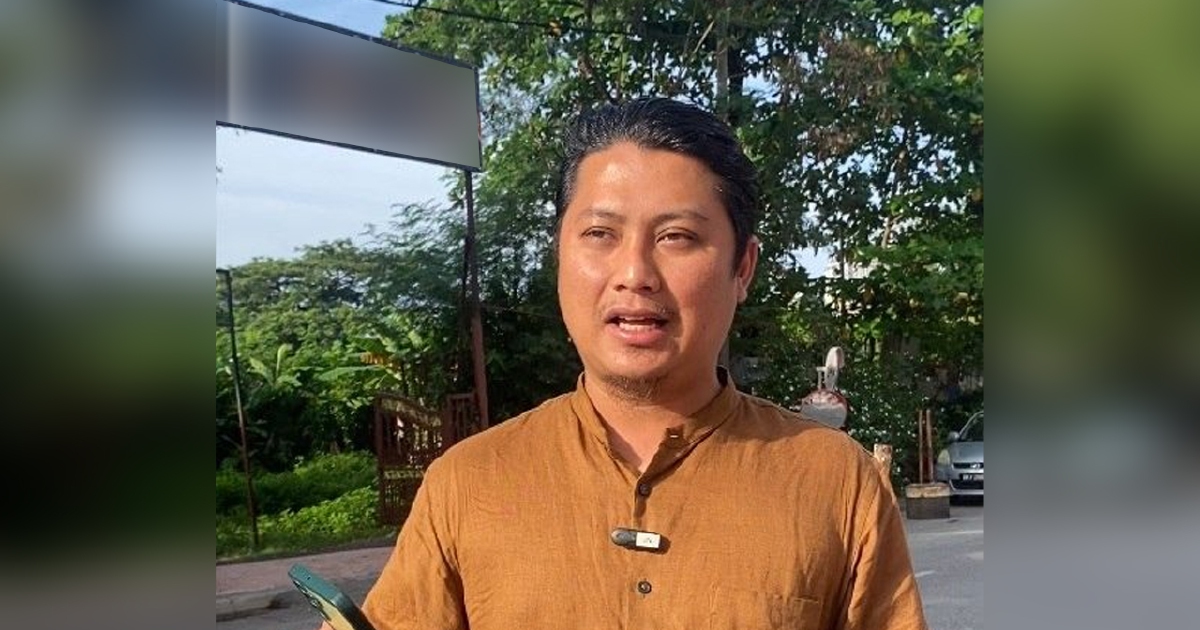
Activist Tamim Dahri Abdul Razak, who had reportedly departed the country following an earlier investigation into threats posted on Facebook, is now expected to face the courts in Langkawi on charges stemming from conduct alleged to constitute an insult directed at another faith community.
The proceedings at Langkawi magistrate's court mark a fresh legal development in what has become an expanding series of legal challenges for the activist. The distinct nature of this charge—centred on an alleged action intended to demean another religion—represents a separate investigation from the previous Facebook-related matter that had prompted speculation about his departure from Malaysia.
Religious sensitivity remains an exceptionally delicate matter across Malaysia's plural society, where the Penal Code and Federal Constitution contain specific provisions designed to protect the sanctity of various faiths. Charges of this nature typically draw significant public attention and raise broader conversations about the boundaries of free expression in a multi-religious nation where such matters can quickly inflame communal tensions.
The specifics surrounding the alleged incident have not been extensively detailed in available reports, though authorities evidently determined sufficient grounds existed to proceed with formal charges. The decision to bring the matter before the magistrate's court suggests the investigating officers concluded there was credible basis for the allegation and that the public interest warranted prosecution.
Tamim Dahri's earlier disappearance from public view had generated considerable discussion within activist circles and among observers monitoring civil liberties issues in Malaysia. His reappearance in the context of facing court proceedings indicates a possible return to the country or a decision to address the outstanding legal matters through the formal justice system rather than remaining overseas.
For Malaysian observers, this case underscores the tension that periodically surfaces between civic activism, freedom of expression, and the statutory protections extended to religious communities. Activists operating in Malaysia's complex legal environment must navigate multiple layers of regulation, including provisions safeguarding religious sentiments alongside laws addressing other forms of public conduct.
The Langkawi location of the proceedings is noteworthy, as charges can be filed in jurisdictions where the alleged act occurred. This geographical specificity sometimes reflects where evidence was gathered or where the alleged conduct took place, contributing to the procedural aspects of the case.
The broader implications extend to how Malaysian courts handle matters blending activism, expression, and religious sensitivity. Judicial interpretations of what constitutes an act intended to insult another religion can significantly influence the latitude available to advocacy groups and public commentators addressing controversial topics that intersect with religious communities.
Malaysia's approach to balancing these competing interests has been subject to periodic scrutiny from international human rights organisations and domestic civil society groups, who sometimes argue that provisions intended to protect religious sentiment are applied inconsistently or with excessive breadth.
For Southeast Asia's diverse religious landscape, Malaysia's handling of such cases carries relevance beyond its borders. Other nations in the region with similarly plural populations and constitutional protections for multiple faiths observe how neighbouring jurisdictions adjudicate comparable disputes, often informing their own jurisprudential development.
The sequential emergence of separate legal matters against the same individual—first the Facebook threat investigation, now this religious insult charge—raises questions about whether these represent distinct incidents or aspects of a broader pattern of conduct that authorities have examined. The investigative process and decision-making hierarchy determining which matters proceed to prosecution versus administrative closure remains opaque to public scrutiny.
As the case progresses through Langkawi's magistrate court, the proceedings will likely attract attention from observers interested in how Malaysian courts interpret and apply provisions protecting religious sentiments, particularly when those provisions intersect with the speech and activism of public figures engaged in social commentary.

