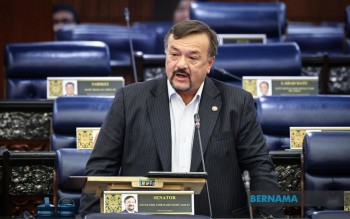
Malaysia's pilgrimage fund, Tabung Haji (TH), has emerged from an independent inquiry bearing the weight of near-total devastation across its investment portfolio, with Finance Minister II Datuk Seri Amir Hamzah Azizan disclosing a staggering RM13 billion in accumulated losses spanning 14 separate initiatives. The scale of the financial wreckage has become increasingly apparent as the details of the Royal Commission of Inquiry report were debated in Parliament, exposing how the fund entrusted with managing the savings of millions of Malaysian pilgrims squandered vast sums through a succession of poorly vetted and inadequately managed ventures.
The gravity of the situation intensifies when examining the composition of these losses. Among the 14 problematic investments, seven sustained complete erasure of capital—not partial impairment but absolute total loss. This concentration of total write-offs underscores systemic failures in investment appraisal, due diligence, and ongoing monitoring mechanisms that should have protected the fund's assets. The remaining seven investments, while retaining some residual value, continue to drain resources through ongoing impairment charges and management costs, preventing any realistic prospect of meaningful recovery.
Government intervention became unavoidable as TH's own reserves could not absorb the damage. The Minister outlined that RM10.2 billion of the overall RM13 billion loss was recovered through a 2018 bailout orchestrated by Urusharta Jamaah Sdn Bhd (UJSB), a vehicle created specifically to absorb TH's toxic assets. This intervention essentially transferred the burden from TH to the federal government, meaning Malaysian taxpayers ultimately financed the cleanup of investment decisions made by the fund's management. The remaining RM2.6 billion comprises impairment losses that TH itself has been forced to recognise across the 2018 to 2025 period for investments still nominally on its books, representing a prolonged bleed of value from assets that show no signs of meaningful recovery.
The worst performer among TH's failed ventures was Al-Rawda Real Estates Development & Project Management Co Ltd, a Saudi Arabia-based entity engaged in property development and project management. This single investment generated the largest loss component and exemplifies the fundamental misjudgement that characterised TH's investment strategy. Between 2015 and 2017, TH committed 1.4 billion Saudi riyals—approximately RM1.5 billion—to an intermediary as payment for lease agreements covering four hotels strategically located in Makkah and Madinah to accommodate Malaysian pilgrims performing the Hajj.
The architectural flaw in this arrangement became catastrophically apparent when the investment structure relied almost entirely on personal promissory notes rather than robust legal guarantees or asset-backed securities. Al-Rawda was contractually obligated to operate these four properties and remit rental payments totalling 2.49 billion Saudi riyals to TH, creating theoretically attractive returns that would have justified the initial outlay. However, the company failed to honour these obligations, with rental defaults commencing in the first quarter of 2019. TH's management discovered that the personal guarantees proved worthless when enforcement was attempted, and by 2024, the fund was compelled to recognise a full impairment loss of RM1 billion against this single venture.
This Al-Rawda episode reveals the extent to which TH's investment committee departed from prudent fiduciary standards. Committing over RM1.5 billion in pilgrim funds to acquire hotel leasing rights dependent on a foreign company's operational performance, without enforceable legal recourse or security interests in the underlying properties, represented a fundamental breach of investment principles. The intermediary structure further obscured accountability and diluted TH's ability to monitor the actual condition and occupancy of the hotels. When Al-Rawda ceased payments, TH discovered it had minimal leverage to recover funds or even definitively establish what became of the properties themselves.
The cascade of investment failures across TH's portfolio points to deeper organisational pathologies that extended beyond individual poor decision-making. The concentration of seven total write-offs among 14 problematic investments suggests a systematic pattern of inadequate due diligence, weak governance oversight, and failure to implement corrective action when early warning signs emerged. For a fund managing the aspirational savings of millions of ordinary Malaysians preparing for one of Islam's most sacred obligations, this represents not merely financial incompetence but a betrayal of trust.
The RM10.2 billion government rescue through UJSB, while preventing immediate institutional collapse, raises critical questions about accountability and consequences. That the federal budget absorbed such substantial losses while the individuals responsible for approving these investments faced limited public accountability reflects governance shortcomings extending beyond TH itself into the broader ecosystem of institutional oversight. The Malaysian public had every right to expect that those making investment decisions with pilgrim savings would face meaningful consequences proportionate to the scale of losses inflicted.
The RM2.6 billion in ongoing impairment charges between 2018 and 2025 illustrates another dimension of the problem: TH's management of the residual portfolio. Rather than aggressively pursuing recovery or salvaging whatever value remained from the remaining seven struggling investments, the fund appears to have accepted protracted deterioration. Each year of additional impairment represents money that could have been returned to pilgrims or deployed toward legitimate fund objectives, instead consumed by investments that should have been decisively liquidated or restructured years earlier.
For Malaysian pilgrims and the broader public, these losses carry immediate practical implications. The financial health of TH directly affects the returns pilgrims receive on their contributions, the quality of services the fund can deliver, and the competitiveness of its pilgrimage packages. A fund burdened with nearly RM13 billion in losses cannot optimally serve its core mission. The bailout prevented immediate crisis but did not restore TH to institutional health; it merely postponed reckoning with underlying governance failures.
The RCI report's findings, now debated in Parliament, represent an opportunity to institute structural reforms preventing recurrence of such catastrophic investment decisions. Strengthening independent oversight, implementing mandatory third-party due diligence for all major investments, establishing clear accountability mechanisms, and restricting TH's investment mandates to asset classes compatible with its specific mission should be priority considerations. The damage has been done, but the lessons extracted from this RM13 billion calamity must translate into institutional safeguards protecting future pilgrim contributions from similar misadventure.

