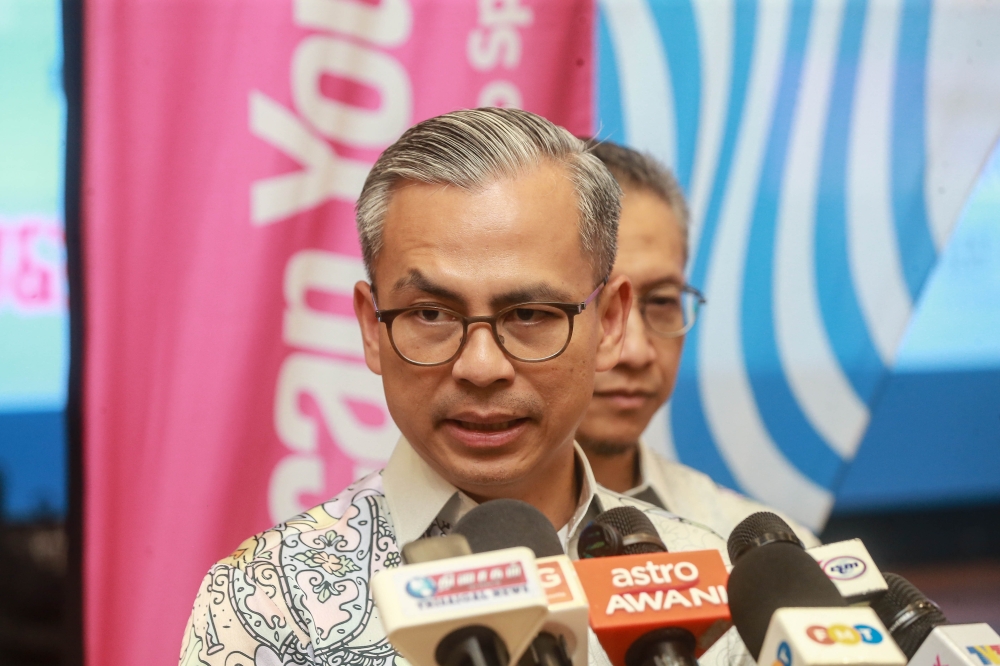
The Royal Commission of Inquiry report examining Lembaga Tabung Haji's operations will be forwarded to multiple law enforcement and regulatory bodies for thorough investigation, Communications Minister Fahmi Fadzil announced on Tuesday. The decision signals the government's commitment to pursuing any potential wrongdoing uncovered during the extensive inquiry into Malaysia's largest hajj management institution.
Fahmi stated that the RCI findings will be distributed to the Royal Malaysian Police, Malaysian Anti-Corruption Commission, Bank Negara Malaysia, and the Inland Revenue Board. This multi-agency approach reflects the complexity of the issues identified and ensures that criminal, financial, regulatory, and tax matters are handled by the appropriate authorities with specialised expertise. The minister confirmed that the report would soon move from the inquiry stage into active investigation and possible prosecution.
The establishment of the RCI came following growing public concern over Tabung Haji's financial management and operational practices. The institution, which manages pilgrimage savings for over 9 million Malaysian Muslims preparing for the hajj, has faced scrutiny regarding how funds are deployed, the transparency of decision-making, and compliance with regulatory frameworks. The comprehensive nature of the inquiry suggests that investigators examined multiple dimensions of institutional governance and financial conduct.
Tabung Haji's importance to Malaysian society cannot be understated. The organisation serves as a financial intermediary for devout Muslims who wish to fulfil their religious obligation to perform the hajj pilgrimage to Mecca. Beyond this spiritual function, it holds substantial assets and investments, making it a significant player in Malaysia's financial ecosystem. Any mismanagement at this scale carries implications not only for individual pilgrims but for broader public confidence in Islamic financial institutions and government-linked entities.
The referral to multiple agencies demonstrates a coordinated approach to accountability. The MACC typically investigates corruption-related matters within public institutions, while the police handle criminal offences. Bank Negara's involvement suggests concerns may extend to financial regulatory compliance and banking practices, whilst the IRB's participation indicates potential tax evasion issues. This division of labour allows each agency to apply its specialised investigative capabilities to relevant aspects of the findings.
For Malaysian pilgrims and their families, the RCI process represents an attempt to restore institutional integrity. Many Tabung Haji contributors rely on the organisation to safeguard their hajj savings over extended periods. The inquiry process itself became a public affair, with testimony and evidence presented that raised questions about investment decisions, administrative expenses, and the distribution of returns to members. The referral to authorities now moves from investigation into potential enforcement.
The timing and nature of these referrals also carry political implications. The government's willingness to pursue findings across multiple institutions suggests a broader commitment to tackling corruption and mismanagement in public entities. In Malaysia's current political climate, where institutional accountability remains contested, such decisive action serves as a test of governmental resolve on governance reform.
International observers of Malaysia's anticorruption efforts will also monitor these investigations closely. The hajj pilgrimage generates significant economic activity, and lapses in managing these funds damage Malaysia's reputation as a trustworthy custodian of Islamic financial practices. Successful prosecutions resulting from the RCI report would demonstrate Malaysia's capacity to hold leaders and officials accountable for institutional failures.
The investigation process may take considerable time, given the volume of financial transactions and the number of officials potentially involved. The RCI report likely spans hundreds of pages and covers multiple years of operations. Investigators will need to trace specific transactions, establish intent, and build cases that can withstand legal scrutiny. This methodical approach, while lengthy, strengthens the likelihood of successful prosecutions.
For the broader Islamic finance sector in Southeast Asia, the Tabung Haji situation offers cautionary lessons about governance structures and oversight mechanisms. Other institutions managing religious savings or charitable funds will likely review their own compliance frameworks in light of the inquiry's findings. Regulators across the region may also examine whether similar vulnerabilities exist within their own jurisdictions.
The referral decision also reflects evolving standards for institutional accountability in Malaysia. A decade ago, such comprehensive multi-agency investigations into government-linked entities were less common. The shift towards more rigorous inquiry and enforcement mechanisms indicates changing expectations for public sector management, though implementation remains inconsistent across different institutions and sectors.
As the various agencies commence their investigations, the original RCI commissioners' work enters a new phase. The report becomes evidence for prosecutors and investigators rather than merely a fact-finding document. The public will gradually learn more details through court proceedings, press releases from investigating agencies, and media reporting as charges are filed and trials commence.

