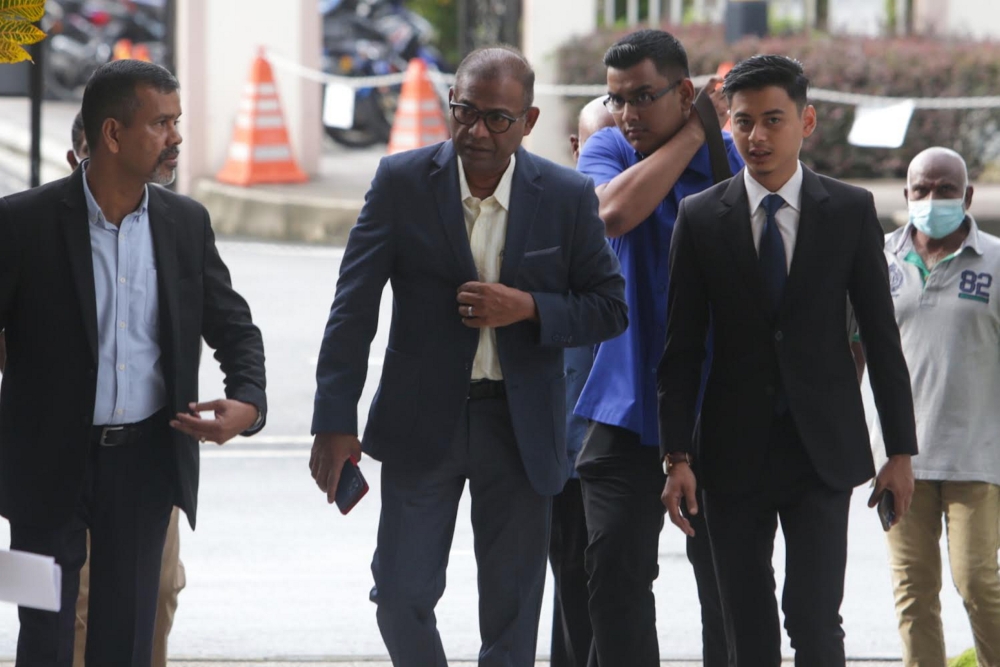
The family of former Baling Member of Parliament Datuk Seri Abdul Azeez Abdul Rahim has firmly rejected claims circulating on social media suggesting that he faces arrest by the Malaysian Anti-Corruption Commission in connection with the Tabung Haji Royal Commission of Inquiry. His son made a public statement dismissing the allegations as unfounded rumours, emphasising that no such legal action has been initiated against the former parliamentarian.
The speculation surrounding Abdul Azeez gained traction online amid ongoing investigations into the pilgrimage fund's management practices and governance structures. The Tabung Haji RCI, established to examine irregularities and mismanagement within the institution responsible for facilitating Hajj pilgrimages for Malaysian Muslims, has been scrutinising various transactions and decisions made during different administrative periods. Such high-profile inquiries typically attract public attention and, increasingly, unverified claims circulate through digital platforms before facts are established.
Abdul Azeez served as the Member of Parliament for the Baling constituency, which covers parts of Kedah. His political career spanned significant periods of Malaysian governance, and his involvement with various governmental bodies and institutions means that his name naturally surfaces in discussions concerning accountability and oversight. The emergence of these rumours reflects broader public concern about governance standards and the extent of the anti-corruption drive affecting political figures across the country.
The circulation of arrest rumours without official confirmation illustrates a persistent challenge in Malaysia's information ecosystem. Social media platforms have become conduits for unverified claims that can spread rapidly before regulatory bodies or official sources can issue clarifications. This phenomenon has become increasingly common whenever high-profile corruption investigations or inquiries gain public attention, particularly when they involve former or current political figures whose names carry significant public recognition.
The Tabung Haji RCI itself represents an important institutional accountability mechanism. The pilgrimage fund manages substantial national resources and handles the religious obligations of millions of Malaysian Muslims seeking to perform the Hajj pilgrimage. Concerns about its financial management and governance have prompted official scrutiny, with investigators examining decision-making processes, fund allocation, and adherence to regulatory frameworks during various periods of operation.
During the course of such inquiries, various individuals connected to the institution may come under investigation or face questioning. However, the distinction between being questioned as a witness, being investigated, and facing actual arrest charges remains critical. Public understanding of these procedural differences often blurs, particularly when sensationalised claims gain traction online. The family's statement appears designed to clarify this distinction and prevent mischaracterisation of the former MP's status.
The timing and nature of online rumours also warrant examination. Political figures in Malaysia frequently become subjects of digital speculation, sometimes reflecting genuine public interest in accountability, but occasionally reflecting partisan motivations or misinformation campaigns. Without corroboration from official sources such as MACC statements or mainstream media reports based on verified information, such claims remain unsubstantiated gossip.
For Malaysian readers and observers of governance issues, this incident underscores the importance of relying on official channels and credible news sources for information about corruption investigations and legal proceedings. MACC, as the primary anti-corruption enforcement body, regularly issues press statements concerning significant developments in investigations or enforcement actions. The absence of any official MACC announcement regarding Abdul Azeez's arrest or detention provides strong grounds for dismissing the social media claims.
The response from Abdul Azeez's family also highlights how rumours can affect individuals and families who remain vulnerable to reputational damage even when allegations prove baseless. Once unfounded claims circulate widely online, the damage to public perception can persist long after the claims are debunked. This phenomenon has prompted growing calls for more robust digital literacy initiatives and clearer guidance on distinguishing credible information sources from unreliable platforms.
The broader context of the Tabung Haji RCI remains significant for Malaysian public administration and governance reform. The inquiry's findings and any resulting recommendations could influence future management practices at the institution and similar governmental bodies. Such institutional reviews are viewed as important safeguards against mismanagement, though they naturally attract scrutiny and speculation regarding individuals involved in previous decision-making processes.
Moving forward, the investigation will likely continue examining various aspects of Tabung Haji's operations without the distraction of unverified online claims. Both the public and media observers should remain attentive to official announcements from MACC and statements from the RCI itself, rather than granting credence to social media speculation. The distinction between rumour and fact remains fundamental to informed public discourse on matters of governance and accountability in Malaysia.

