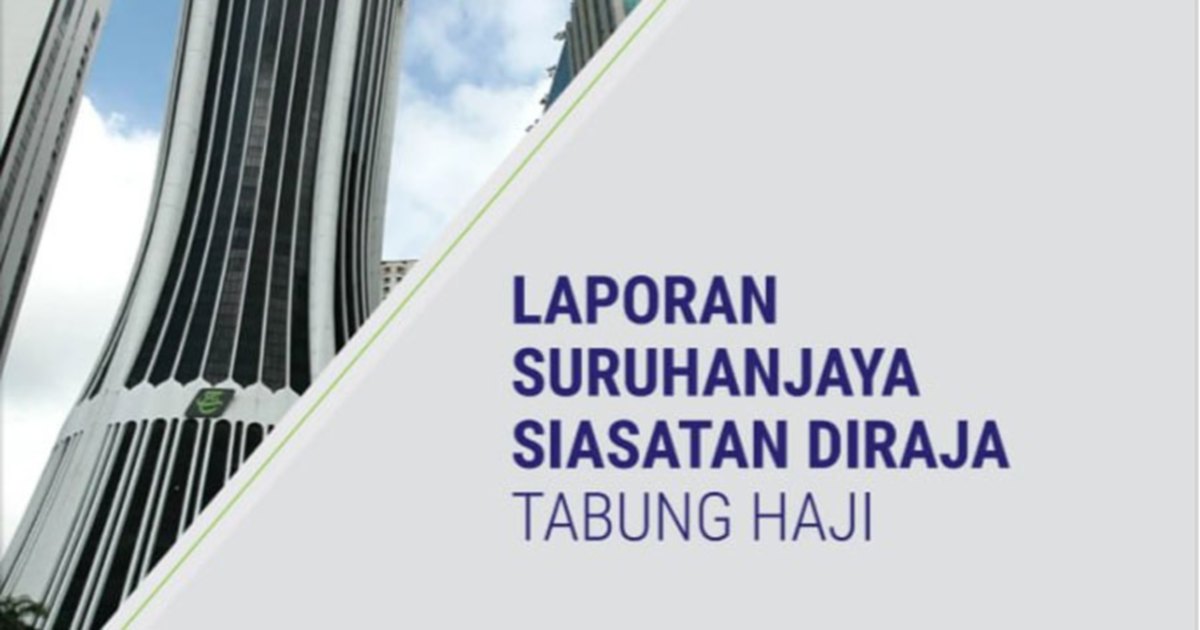
Barisan Nasional is set to capitalize on the findings of the Royal Commission of Inquiry into Tabung Haji by presenting its conclusions to voters and stakeholders, with party officials signalling that the disclosure will enhance the coalition's electoral prospects in Melaka. A senior leader within the BN component structure flagged the upcoming briefing as strategically significant, highlighting how transparent handling of the investigation's outcomes positions the coalition favourably with constituents who have expressed concern about governance and financial management at the pilgrimage fund.
The RCI into Tabung Haji represents a high-stakes institutional review that has drawn considerable public attention across Malaysia. The religious investment body, which manages savings and finances for Malaysian Muslims undertaking the Hajj pilgrimage, has faced scrutiny over its operations and fund management practices. The establishment of the Royal Commission itself reflected government commitment to addressing public anxiety regarding the stewardship of these religiously significant assets. Now, as BN prepares to disseminate the inquiry's conclusions, the coalition appears intent on demonstrating responsiveness to accountability concerns that resonate particularly strongly among its traditional Muslim constituencies.
The timing of this briefing carries considerable political weight. Melaka, a state with deep historical significance to Malaysian politics, will hold elections that observers expect to significantly influence national coalition dynamics. The state represents a battleground where governance competence and institutional trust directly shape voter sentiment. By proactively engaging with the Tabung Haji findings ahead of campaigning, BN components hope to frame the narrative around financial oversight and demonstrate that the coalition takes seriously its obligation to protect assets held in trust by Malaysian citizens.
Component party leaders argue that releasing and contextualizing the RCI report before the Melaka campaign allows BN to address legitimate questions about institutional management while simultaneously highlighting the transparency mechanisms that led to the inquiry's completion. This approach reflects a broader strategy of using institutional accountability processes to rebuild public confidence—particularly important given that previous Tabung Haji controversies had eroded trust among certain voter demographics. The briefing effectively converts a potential vulnerability into evidence of the coalition's willingness to subject its agencies to rigorous examination.
For Melaka voters specifically, the RCI report takes on particular resonance because state-level politics frequently turn on perceptions of fiscal responsibility and trustworthiness in managing public and quasi-public institutions. The pilgrimage fund, while administered at the federal level, serves Muslims throughout the country, including substantial portions of the Melaka electorate. Consequently, assurances about Tabung Haji's financial integrity directly affect how voters evaluate BN's broader capacity to steward institutional resources. The component party leadership recognizes that proactive communication about the RCI findings allows them to define the conversation before opposition parties characterize the report in less favourable terms.
The opposition has historically criticized Tabung Haji's investment decisions and management transparency, making this an area where BN faces heightened scrutiny. By preparing a comprehensive briefing that explains the RCI's methodology, conclusions, and any recommended reforms, the coalition seeks to preempt opposition accusations of institutional mismanagement or cover-up. The strategy assumes that voters appreciate detailed engagement with institutional governance issues and that transparent discussion of findings—even critical ones—signals governmental accountability rather than weakness.
BN's approach also reflects evolving political competition in Malaysia, where institutional integrity has become an increasingly central campaign issue. Younger voters and urban constituencies, in particular, prioritize good governance metrics when evaluating political leadership. By positioning the Tabung Haji briefing as evidence of BN's commitment to institutional health, the coalition attempts to appeal to voters who might otherwise view it as excessively focused on patronage networks or electoral machinery rather than substantive policy competence.
The religious and cultural dimensions cannot be overlooked. Tabung Haji manages resources dedicated to fulfilling one of Islam's five pillars, making the fund's integrity a matter of theological as well as financial importance to Muslim Malaysians. Mismanagement allegations carry emotional resonance beyond typical corporate governance controversies. BN's decision to emphasize transparent handling of the RCI report therefore carries symbolic weight, suggesting respect for the religious trust placed in these institutions by Malaysian Muslims.
Looking forward, how thoroughly and credibly BN presents these findings will substantially influence Melaka campaign dynamics. Voters will assess whether the briefing demonstrates genuine institutional reform or merely defensive public relations. If the RCI identified significant problems that BN appears unwilling to address directly, the briefing could backfire by drawing further attention to failures. Conversely, if handled transparently and coupled with concrete reform proposals, the briefing could substantively improve BN's electoral positioning by demonstrating that the coalition takes stakeholder concerns seriously and possesses the institutional capacity to address identified deficiencies.
The broader implication extends beyond Melaka itself. How Malaysia's largest political coalition manages this institutional disclosure will set precedents for future government engagement with accountability mechanisms. It will signal to other agencies and constituencies whether RCI findings and institutional reviews translate into actual policy changes or serve primarily as public relations exercises. For Malaysian voters increasingly demanding greater transparency and competent governance, the Tabung Haji briefing represents a tangible test of whether political coalitions genuinely prioritize institutional integrity over electoral convenience.

