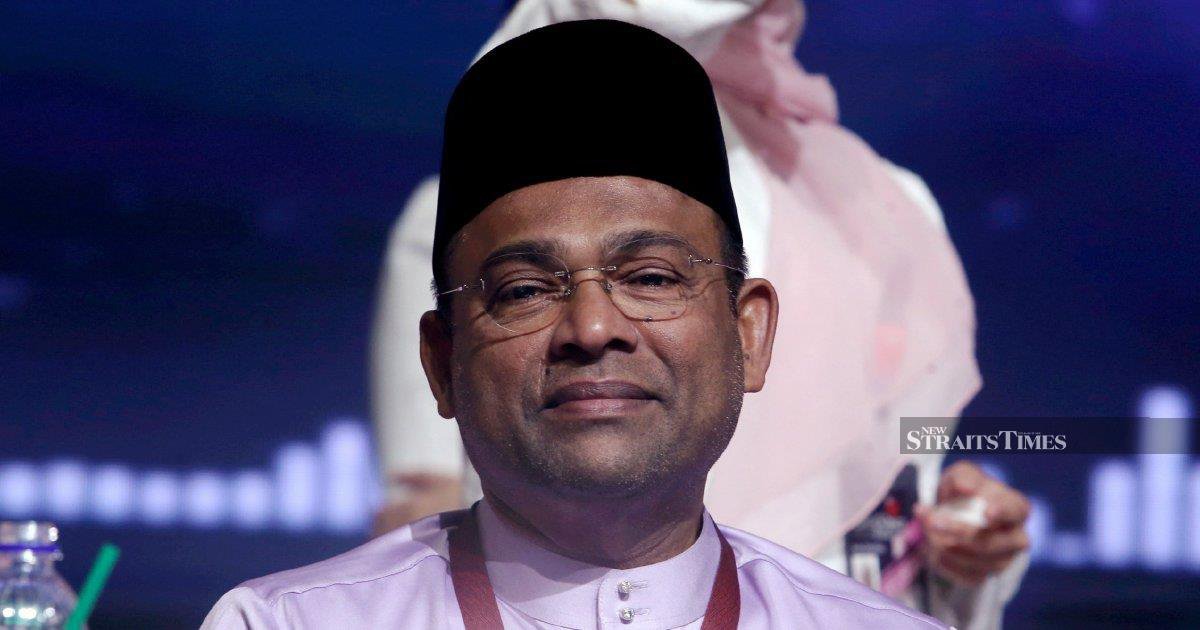
The controversy surrounding Tabung Haji's management has intensified as former chairman Datuk Seri Abdul Azeez Abdul Rahim resists pressure to publicly disclose whether Malaysian Anti-Corruption Commission authorities have approached him about findings contained in the Royal Commission of Inquiry report. His non-committal stance comes after opposition lawmakers and political figures have urged greater transparency from those named or implicated in the investigation's conclusions.
The Royal Commission of Inquiry into Tabung Haji, Malaysia's pilgrimage fund institution that manages savings for Muslims intending to perform the Hajj, was established to examine serious governance failures and financial irregularities that threatened the organisation's viability. The investigation's final report contained numerous damaging conclusions about operational and management deficiencies spanning several years. Former officials have come under scrutiny as the findings have become public, triggering calls for accountability across multiple political and civil society quarters.
Bersatu, one of Malaysia's political parties, had specifically called upon Abdul Azeez to confirm whether he had been contacted by the MACC, the country's primary anti-corruption enforcement body. Rather than providing a direct answer, the former Tabung Haji leader stated that his name did not appear in the final RCI report. This response, while technically addressing the substance of the inquiry's documentation, sidesteps the separate question of whether MACC investigations have independently pursued leads or summoned individuals for questioning based on the commission's recommendations or findings.
The distinction between appearing in the RCI report and being subject to MACC investigation is legally and factually significant. Royal commissions typically focus on systemic issues and institutional failures, recommending remedial actions and policy reforms. Corruption investigations, by contrast, concentrate on potential criminal conduct by individuals. The MACC frequently launches its own probes based on RCI findings, interviewing witnesses and subjects who may not have been explicitly named in the formal report but whose roles or decisions warrant examination.
The Tabung Haji crisis emerged from a complex set of circumstances, including aggressive investment strategies that exposed the fund to significant losses, weak internal controls, inadequate governance frameworks, and questionable decision-making by management. The fund, which holds billions of ringgit belonging to millions of Malaysian Muslims saving for one of Islam's five pillars, had been thrust into financial jeopardy by mismanagement and poor oversight. The government eventually provided emergency financial assistance to stabilise the institution and protect contributors' savings.
The RCI's investigation represented one of Malaysia's most significant institutional audits in recent years, with implications extending beyond the fund itself. The inquiry's conclusions about board governance, executive accountability, and regulatory supervision carry lessons applicable across Malaysia's entire ecosystem of government-linked companies and statutory bodies. Many such organisations face similar vulnerabilities: insufficient board independence, unclear reporting lines, political interference, and inadequate checks on management discretion.
Abdul Azeez's reluctance to confirm MACC contact reflects a broader challenge in Malaysia's anti-corruption accountability framework. When high-profile institutional leaders decline to publicly acknowledge investigations, it creates perception gaps between formal legal processes and public understanding of accountability. Citizens and observers cannot readily assess whether the MACC is pursuing cases with sufficient rigour or whether individuals with potential culpability are cooperating with authorities. Transparency in such matters, even at elementary levels, enhances public confidence in institutional integrity.
The political dimension adds complexity to the situation. Bersatu's intervention suggests the RCI findings have become fodder for inter-party rivalry and competition for the anti-corruption narrative. Different political actors seek to weaponise the Tabung Haji scandal for electoral advantage, accusing rivals of negligence during their respective tenures overseeing the fund. This politicisation, while perhaps inevitable given Malaysia's charged political environment, risks obscuring genuine accountability and reform imperatives.
For Malaysian pilgrims and the broader Muslim community relying on Tabung Haji's services, the unresolved questions carry direct consequences. Confidence in the fund's current management, governance structures, and financial security depends partly on visible accountability for past failures. When investigators' work remains opaque and former leaders appear evasive, contributors understandably harbour concerns about whether systemic problems have genuinely been addressed or merely concealed.
The MACC's own reputation hinges on demonstrating that it pursues corruption cases involving powerful figures with the same determination it applies to lower-ranking officials. If individuals implicated in an RCI report can deflect scrutiny simply by noting their names don't appear in specific passages, enforcement becomes performative rather than substantive. This dynamic particularly matters in Malaysia, where perceptions of unequal application of anti-corruption rules have long undermined public trust in institutions.
Moving forward, clarity regarding MACC's investigative scope and progress would better serve public interest than the current ambiguity. Whether Abdul Azeez or other former Tabung Haji leaders face charges, face questioning, or have been cleared should be documented for public knowledge within appropriate legal and privacy parameters. The fund's credibility restoration depends not only on structural reforms but on demonstrable accountability for individuals whose decisions contributed to the crisis. Until those responsible face transparent consequences, questions about Tabung Haji's governance will persistently cloud Malaysia's institutional confidence.

