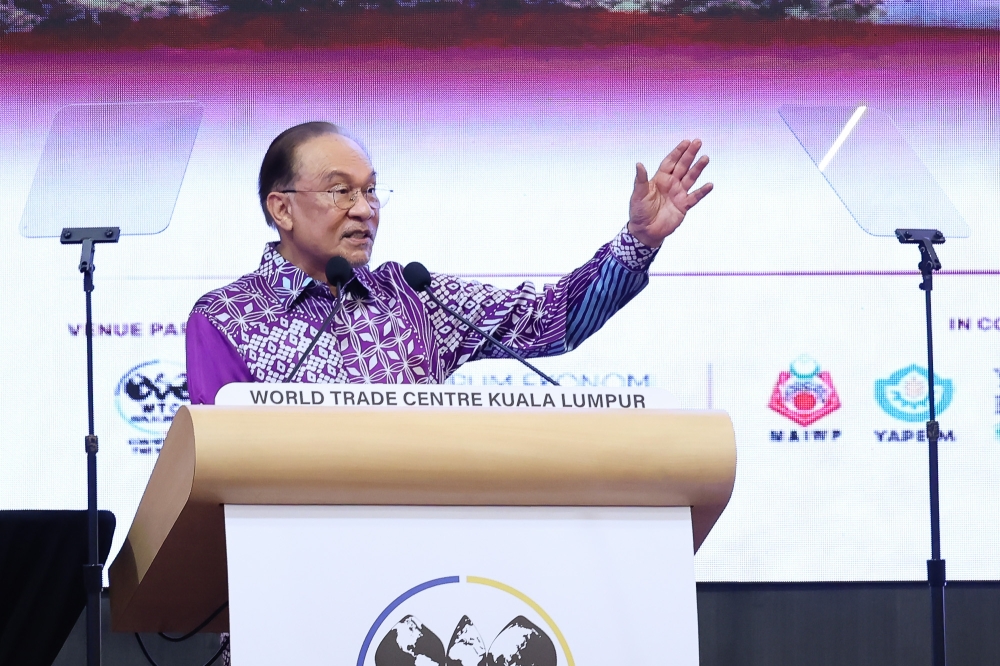
Prime Minister Datuk Seri Anwar Ibrahim has signalled that Malaysia's pilgrim fund Tabung Haji has stabilised considerably following a series of structural and operational overhauls, with the long-awaited Royal Commission of Inquiry report expected to be made public imminently. The statement marks an important juncture in the institution's recovery trajectory, coming after years of financial turbulence that prompted national scrutiny and investigation into its governance practices.
The timing of the announcement carries significance for Malaysia's Muslim majority, as Tabung Haji plays a crucial role in facilitating the annual pilgrimage to Mecca for hundreds of thousands of Malaysians. The fund's financial distress in preceding years had raised concerns among depositors and religious authorities alike, making the confirmation of improved circumstances a matter of public interest. The government's decision to move towards transparency by releasing the Royal Commission report reflects an apparent commitment to addressing lingering questions about what went wrong and how remedial measures have addressed systemic vulnerabilities.
Anwar's remarks suggest that the reforms implemented by the current administration have yielded tangible results in restoring the institution's stability and investor confidence. These improvements likely encompass changes to investment strategies, governance structures, and risk management protocols that had been identified as deficient during the investigation phase. The specifics of these transformations are anticipated to be detailed within the Royal Commission report, which should provide the Malaysian public with a comprehensive understanding of the institutional failings and corrective actions undertaken.
The decision to have previously deferred from releasing the report underscores the delicate balancing act governments must perform when addressing institutional crises. Public institutions, particularly those entrusted with deposits of a religious and cultural nature, require careful handling during recovery phases. However, sustained transparency becomes essential for rebuilding trust, and the government appears to have reached a point where the benefits of full disclosure outweigh the risks of controversy that comprehensive reporting might generate.
For Malaysian depositors who entrust their savings to Tabung Haji in preparation for the Hajj pilgrimage, the confirmation of institutional strengthening provides reassurance about the safety of their funds. This confidence is foundational to the fund's operational viability, as any perception of financial instability could trigger mass withdrawals that would accelerate institutional decline. The government's public messaging about improvements therefore serves a dual purpose: both informing stakeholders of genuine progress and reinforcing confidence in the system's integrity.
The broader context of Malaysian institutional reform during this period reflects wider efforts by the government to strengthen governance standards across public agencies. Financial mismanagement and inadequate oversight had been identified as persistent weaknesses in various government-linked institutions, and Tabung Haji's experience provided a cautionary case study. The reforms undertaken there have likely established precedents and lessons applicable to similar bodies, contributing to a broader culture of accountability and prudent financial stewardship within the public sector.
Regional observers have also noted Malaysia's experience with Tabung Haji as relevant to other Muslim-majority nations operating similar pilgrimage funds. The transparency and governance frameworks being implemented represent best practices in managing complex financial institutions that serve religious objectives while operating according to modern financial regulations. How Malaysia's recovery progresses will therefore attract attention from counterpart institutions across Southeast Asia and the wider Islamic world.
The forthcoming release of the Royal Commission report will likely address specific allegations that emerged during investigations, including concerns about investment decisions, loan arrangements, and administrative oversight that contributed to the fund's earlier difficulties. These findings will provide citizens and policymakers with evidence-based analysis rather than speculation, facilitating informed discussion about necessary safeguards and future governance improvements. The detailed nature of such reports also serves an educational function, highlighting systemic risks that other institutions can learn from and mitigate proactively.
Moving forward, sustained attention to Tabung Haji's management remains essential to ensure that the reforms produce lasting improvements rather than temporary corrections that deteriorate once immediate scrutiny diminishes. The government's willingness to release the Royal Commission report suggests confidence that the institution has genuinely improved, but ongoing monitoring mechanisms and periodic transparency will be necessary to maintain the progress achieved. For Malaysia's approximately two million Tabung Haji depositors, the improvements and forthcoming disclosure represent important steps toward long-term institutional reliability and faithful stewardship of funds intended for one of Islam's most significant spiritual obligations.

