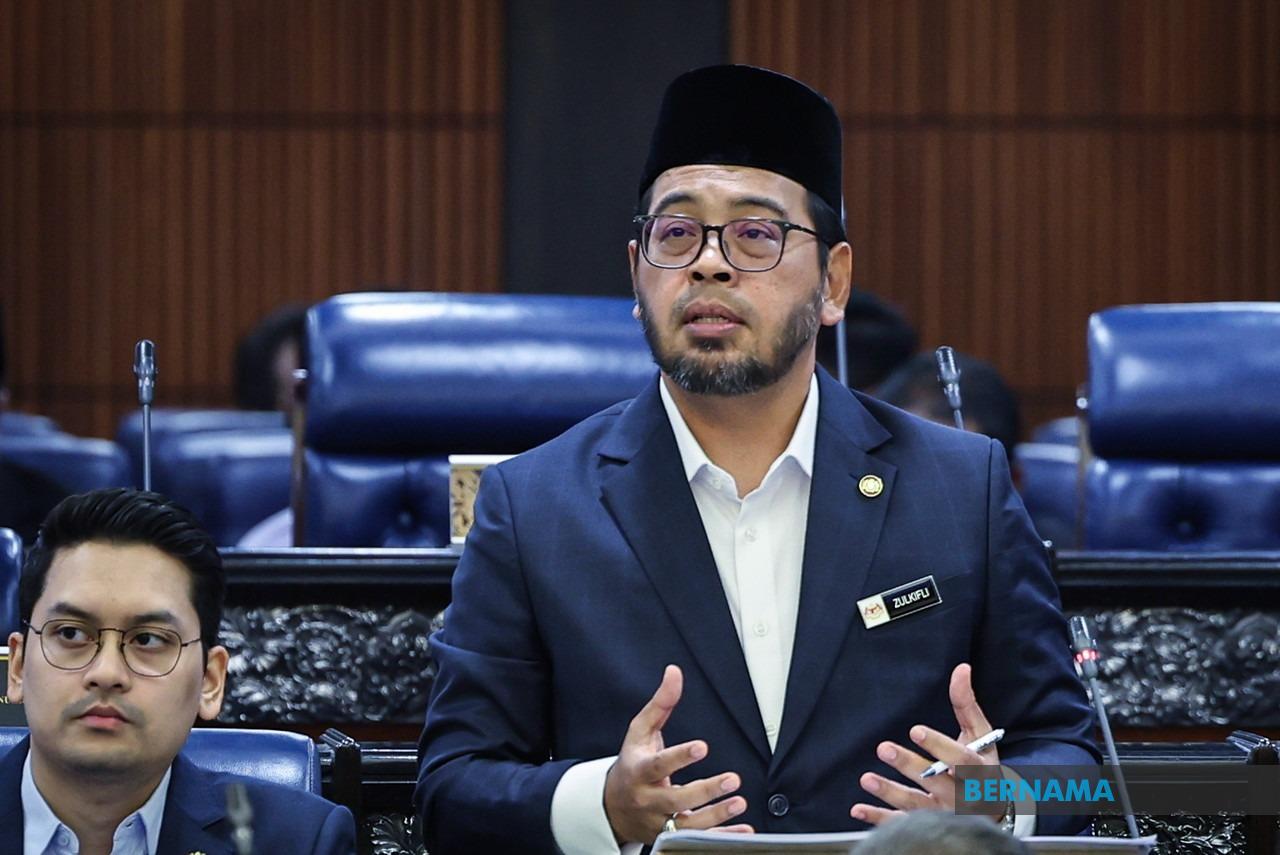
Malaysia's pilgrimage authority, Tabung Haji, has emerged from a prolonged financial and operational crisis substantially strengthened through a comprehensive restructuring programme that began in 2018, according to Minister in the Prime Minister's Department (Religious Affairs) Dr Zulkifli Hasan. Speaking during a parliamentary briefing on the Royal Commission of Inquiry's findings regarding the institution, Zulkifli outlined how a coordinated strategy across nine distinct reform areas has tackled the deep-rooted challenges that had threatened both TH's viability and its core mission of facilitating affordable pilgrimage for Malaysian Muslims.
The institutional overhaul has tackled multiple dimensions of TH's operations simultaneously, moving beyond simple financial remedies to address fundamental governance weaknesses. The minister detailed how the reform programme concentrated on restoring the institution's balance sheet, establishing robust oversight mechanisms and accountability frameworks, enhancing the calibre of investment decisions, and guaranteeing that depositors would receive meaningful returns on their savings. These measures represented an acknowledgement that TH's earlier difficulties stemmed not merely from market conditions but from systemic shortcomings in how the organisation was managed and monitored.
Crucially, the recovery strategy has maintained accessibility to the pilgrimage as a paramount concern, recognising that TH serves millions of ordinary Malaysians for whom the haj represents a major financial and spiritual commitment. The government has held the cost of performing the ritual at RM33,300 across three consecutive seasons spanning 2024 to 2026, a remarkable achievement given that inflation has surged by 250 per cent since 2001, when subsidised haj financing was initially introduced. This price stability demonstrates that the reforms have yielded tangible benefits for TH's primary constituency rather than serving merely as accounting exercises.
Managing this constancy in pricing required sophisticated procurement strategies that extend across multiple markets and service providers. Rather than absorbing mounting international costs, TH negotiated extended contracts with airlines to cap airfare increases, a tactic that locks in rates despite volatile fuel prices and currency fluctuations. Simultaneously, the institution renegotiated accommodation arrangements, transitioning from reliance on intermediaries to direct negotiations with hotel proprietors in Saudi Arabia, permitting TH to secure higher-standard facilities while controlling expense growth. These operational improvements illustrate how strategic management can offset inflationary pressures that would ordinarily flow directly to pilgrims' wallets.
The strengthening of governance has yielded measurable recognition from international bodies that assess Islamic finance and pilgrimage management practices. TH has secured the Labaytum Diamond Award for two consecutive years, extending its streak of Labaytum recognitions to five consecutive cycles. This distinction carries significance beyond ceremonial value, serving as external validation that the institution's transformation has met rigorous international standards rather than relying solely on self-assessment. For Malaysian depositors and prospective pilgrims, such accolades provide assurance that their trust and financial commitments are being stewarded according to best practices.
The institutional transformation reflects a deliberate philosophy regarding professional autonomy and political distance. The minister emphasised that the reformed TH now operates under genuinely independent professional leadership unencumbered by unwarranted political direction, marking a sharp departure from patterns that contributed to the original crisis. This recalibration suggests recognition that TH, as a specialised financial institution managing both investment portfolios and pilgrimage logistics, requires leadership selected on technical competence rather than patronage networks. The shift toward merit-based governance extends beyond appointment practices to encompassing decision-making frameworks that insulate operational matters from political pressure.
From a regional perspective, TH's recovery holds implications for how Islamic financial institutions across Southeast Asia approach governance and risk management. Malaysia's pilgrimage authority operates at substantial scale, processing millions of depositors' funds and coordinating logistics for tens of thousands of annual pilgrims. Its successful navigation of recovery provides a demonstration case for other nations' haj programmes regarding how comprehensive institutional reform, rather than cosmetic adjustments, can restore stability and performance. The experience also underscores the risks inherent in allowing political considerations to compromise prudential management of religiously-motivated financial vehicles.
The restructuring of TH's asset and liability composition formed the technical foundation enabling these operational and governance improvements. By addressing underlying balance sheet imbalances, the institution created space for sustainable long-term strategies rather than crisis-driven short-term expedients. This sequencing—first stabilising finances, then improving operational practices—recognises that even well-intentioned reforms cannot flourish atop unsound financial ground. The coordination of these elements suggests TH's recovery followed a comprehensive diagnostic process rather than ad hoc remedies.
Looking forward, the framework established through these nine-pillar reforms positions TH to navigate future challenges while maintaining its dual commitment to financial sustainability and social responsibility. The institution must balance returns sufficient to attract and retain depositors against the imperative to keep pilgrimage accessible to middle-income Malaysians. Sustaining affordability whilst achieving professional-grade returns requires continuous refinement of investment strategies and operational efficiency. The reforms completed so far represent necessary foundational work; their ultimate success will depend on whether subsequent leadership maintains the standards and autonomy standards that now characterise the institution.

