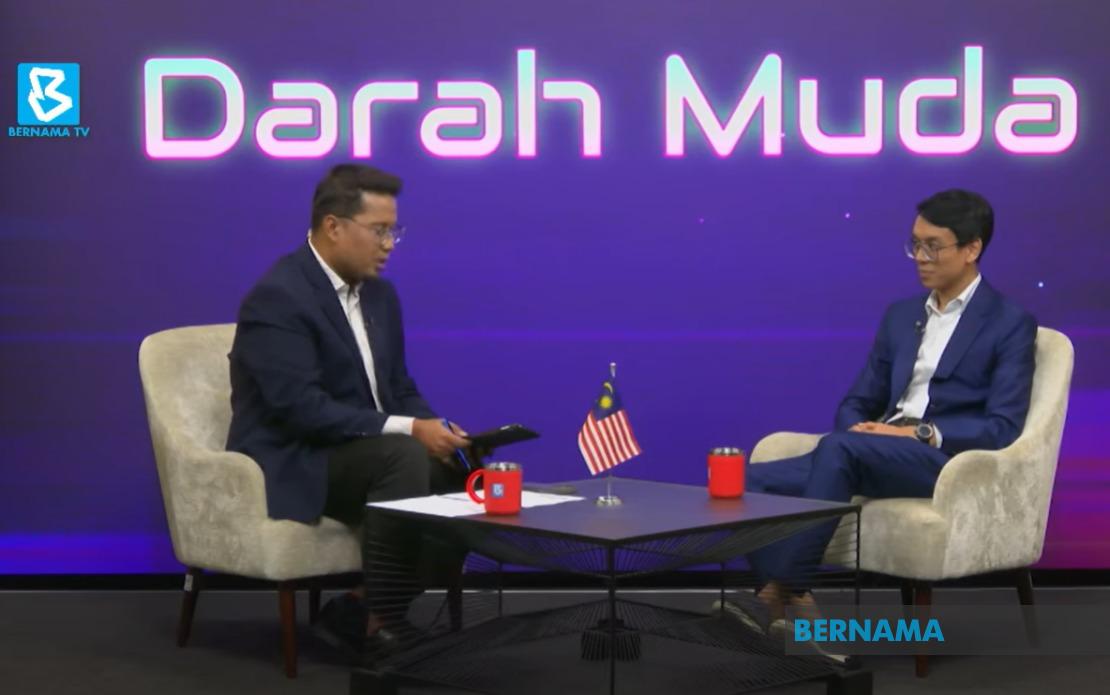
Preventing future scandals at Lembaga Tabung Haji requires more than surface-level reforms—it demands a fundamental restructuring of institutional leadership and governance standards that prioritize financial expertise alongside religious stewardship. This assessment comes from Mohamad Ikmal Ahmad Nordin, a data analyst with IKRAM Malaysia's Economic Agenda Team, who argues that while TH has undergone recovery efforts, the underlying causes of its documented failures must be comprehensively addressed to ensure the institution serves depositors effectively, particularly younger Muslims planning to fulfill their religious obligations.
The Royal Commission of Inquiry report on TH exposed systemic weaknesses that extend beyond simple administrative oversights. Mohamad Ikmal emphasizes that understanding these root causes is fundamental to any sustainable correction. The institution's multiple roles—managing both Hajj logistics and substantial financial portfolios—create complexity that demands specialized competencies at the highest levels. Currently, leadership positions may lack the technical financial acumen necessary to oversee investment decisions, asset management, and fiduciary responsibilities that govern how depositors' savings are handled.
A critical shortfall identified in this analysis concerns the expertise gap at the institutional apex. Mohamad Ikmal contends that for an organization managing billions in pilgrim savings, senior management should possess demonstrable capability in financial literacy, accounting standards, and money management principles. The current structure may have positioned individuals with religious or administrative backgrounds into roles requiring deep knowledge of investment markets, fund management, and risk assessment. Introducing qualified fund managers, chartered accountants, and actuaries into leadership positions would provide the technical foundation necessary for prudent stewardship of depositor funds.
The proposal to delineate responsibilities between financial management and religious administration reflects international best practices in institutional governance. Under such a model, TH's core leadership would focus exclusively on investment strategy, financial controls, and depositor protection, while religious and Hajj logistics could be coordinated through established agencies like JAKIM or the relevant ministerial portfolio. This separation of duties reduces the risk of conflicting priorities and allows each function to be managed by specialists with appropriate credentials and accountability frameworks.
For Malaysia's younger generation, the implications of improved TH governance are particularly significant. Hajj savings represent a major financial commitment for Muslim families, often accumulated over decades through disciplined contributions. Better governance directly translates into greater returns on these savings, more transparent fee structures, and innovative financial products tailored to different age groups and savings horizons. Young Muslims struggling with rising living costs and uncertain economic prospects need assurance that funds entrusted to TH will be managed with institutional excellence rather than exposed to the mismanagement or investment failures documented in previous inquiries.
Rebounding from institutional crisis requires restoring depositor confidence, a task that cannot be achieved through administrative shuffling alone. Mohamad Ikmal underscores that TH must clearly articulate its original mandate—facilitating Hajj access for Malaysian Muslims—and demonstrate unwavering commitment to that mission. This means implementing governance structures with measurable accountability, transparent reporting, and independent oversight mechanisms that give depositors genuine confidence in the safety and growth of their savings. When younger Malaysians witness decisive action on governance reform, they become advocates rather than skeptics.
Continuing forensic audits of TH-related companies addresses a crucial accountability gap. These investigations must identify not only what went wrong but trace the beneficiaries of problematic fund flows and investment decisions. Partial accountability creates moral hazard and suggests that future misconduct might similarly escape serious consequence. Comprehensive forensic review, pursued rigorously and transparently, sends an unmistakable signal that institutional integrity is non-negotiable. Mohamad Ikmal's support for extended forensic work reflects recognition that sweeping unresolved issues aside merely defers rather than resolves the underlying governance failures.
The governance challenge at TH also reflects broader questions about institutional design in Malaysia's Islamic financial sector. As other religious endowments, zakat boards, and Islamic financial entities manage increasingly substantial asset bases, the structural and competency requirements become more demanding. TH's experience offers valuable lessons for ensuring that institutions combining religious mandate with financial responsibility establish clear governance hierarchies, professional hiring standards, and performance accountability mechanisms. These lessons extend beyond TH to shape how Malaysia's broader Islamic institutional ecosystem operates.
Future success hinges on forward-thinking leadership willing to challenge institutional conventions and embrace professional standards. Mohamad Ikmal advocates for progressive governance models that prioritize depositor interests and emerging needs rather than perpetuating established patterns that proved vulnerable to mismanagement. This requires recruiting individuals with demonstrated track records in financial management, investment strategy, and institutional governance—professionals whose reputations rest on competence rather than patronage networks or political alignment.
Younger Malaysians possess both motivation and insight to drive this institutional reform agenda. This generation understands intimately the financial sacrifices required to save for Hajj and remains acutely aware of TH's documented problems. Rather than accepting governance failures as inevitable, young Muslims should actively demand professional standards, transparent accountability, and management structures prioritizing their financial interests. When depositors hold institutions to rigorous standards, governance improvements become operationally necessary rather than discretionary enhancements.
The pathway forward requires sustained commitment to governance excellence extending across multiple institutional levels. Implementation of sophisticated controls, professional recruitment standards, and transparent reporting mechanisms will not immediately erase TH's troubled history. However, systematic institution-building—establishing financial expertise at leadership levels, maintaining rigorous forensic accountability, and focusing relentlessly on the original mission of facilitating Hajj access—creates conditions where future misconduct becomes significantly more difficult to execute undetected. This represents the authentic foundation for preventing recurrence of the problems documented in TH's recent history.

