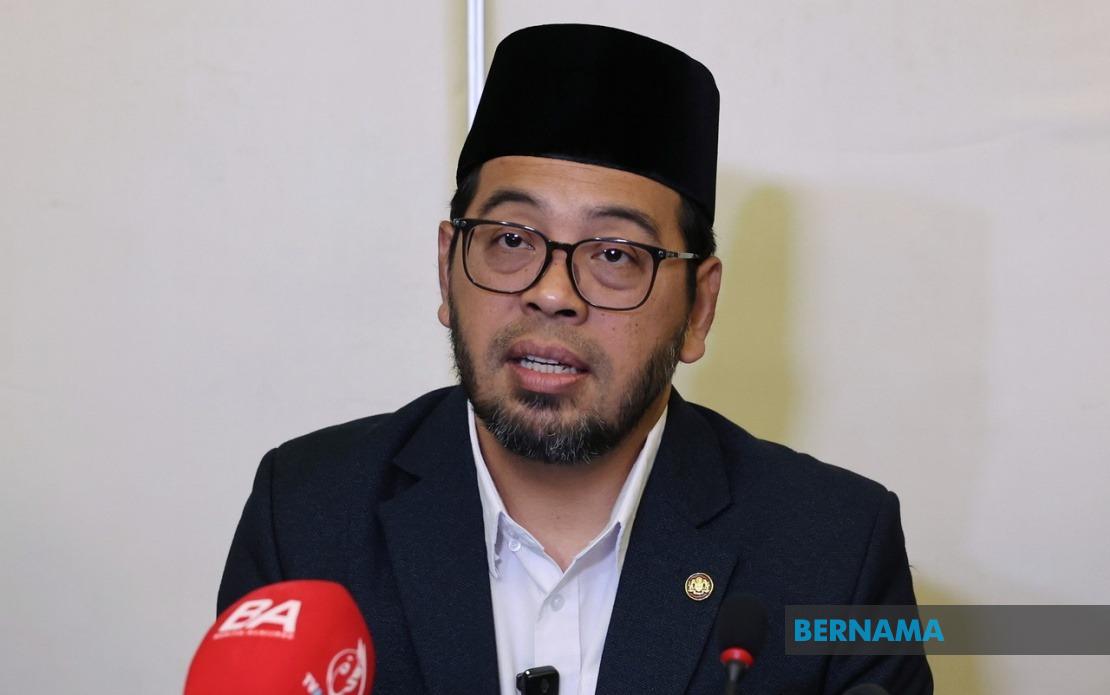
Tabung Haji has substantially strengthened its operational and financial standing following an intensive institutional recovery programme initiated by the MADANI Government, Religious Affairs Minister Dr Zulkifli Hasan said on August 11. Speaking during a special Parliament sitting convened to address the Royal Commission of Inquiry report into the institution, Zulkifli emphasised that the fund managing Malaysia's pilgrimage savings has been restored to sound health after confronting accumulated difficulties inherited from previous years.
When the current administration assumed office in late 2022, Tabung Haji was grappling with structural weaknesses that had accumulated since 2018—namely underperforming and problematic asset holdings that had become competitive liabilities. Rather than rushing to release findings or apportion blame, the government strategy centred on providing the institution with breathing space to undertake comprehensive internal reform. This deliberate approach reflected a broader philosophy that transparent governance must be preceded by demonstrable institutional repair, ensuring that public disclosure occurs from a position of strength rather than crisis management.
The decision to make the 211-page RCI report publicly available marks a pivotal moment in accountability for Malaysia's pilgrimage fund. Chaired by former Chief Justice Tun Mohamed Raus Sharif and comprising five specialists in public administration, banking, finance, Shariah law and accounting, the commission had been tasked with examining management weaknesses and operational failures spanning 2014 to 2020. After months of investigation, the RCI presented its findings to the King on August 30, 2022, but the government withheld public release until July 29, 2024—a decision that Zulkifli defended as prudent timing aligned with the institution's recovery trajectory.
The RCI's investigation uncovered significant governance lapses, leading to 25 recommendations for systemic improvement. As of late July, 75 per cent of these recommendations had already been operationalised, with remaining measures actively progressing. This implementation rate demonstrates that the recovery process was not merely theoretical but involved concrete operational changes. The findings themselves detailed specific vulnerabilities in how the institution had been managed, creating the foundation for both enforcement action and preventive structural reform. Zulkifli emphasised that the government's choice to open-source the report, rather than restrict its circulation, reflected confidence in both the recovery work completed and the thoroughness of enforcement response.
Investigation agencies have moved swiftly following the report's release. The Malaysian Anti-Corruption Commission and police have commenced formal inquiries into the misappropriation allegations documented in the RCI findings, with several key individuals already detained for questioning. This enforcement response carries particular weight given the sacred nature of funds held by Tabung Haji—monies accumulated by ordinary Malaysians saving incrementally toward the hajj pilgrimage. The deposits represent not merely financial instruments but expressions of religious purpose and long-term family commitment. Zulkifli articulated this distinctly, noting that teachers, small traders, retirees, farmers, fishermen, rubber tappers and taxi drivers entrust their savings to the institution precisely because they aspire to fulfil the Islamic obligation of hajj, not to generate commercial returns.
This characterisation of Tabung Haji's depositor base underscores why institutional failure carries profound consequences beyond balance sheet impacts. The fund serves Malaysia's Muslim working and middle classes—individuals with limited alternative investment options who prioritise religious observance over profit maximisation. When institutional trust fractures at this level, the damage extends to religious practice itself and community confidence in government stewardship of Islamic affairs. Zulkifli recognised this implicitly when he stated that the government cannot conceal such breaches behind statistics or political narratives; the stakes transcend conventional financial regulation.
The Cabinet's unanimous decision on July 29 to publicise the RCI report and permit full parliamentary debate represents a departure from earlier official opacity. By tabling the findings in a special sitting—a legislative procedure typically reserved for matters of national significance—the government elevated the issue beyond routine ministerial updates to a matter requiring comprehensive parliamentary scrutiny. This procedural choice telegraphs that accountability mechanisms remain functional and that legislative oversight retains genuine force. The King's decree directing that investigations proceed comprehensively, transparently and without compromise further reinforces governmental commitment to exhaustive inquiry, establishing enforcement standards that extend beyond conventional investigation parameters.
Tabung Haji's international recognition provides contextual contrast to the domestic governance failures identified by the RCI. The institution has received five World's Best Haj Management Awards across four consecutive years, suggesting that contemporary operations and service delivery have achieved international calibre. This dual reality—simultaneous recognition for current performance and historical accountability for past failures—captures the institution's transformation arc. The awards validate that competent, integrity-driven management can reverse institutional decline, while the RCI findings document what such decline looked like and how extensively it had metastasised through operational structures.
For Malaysian depositors and prospective pilgrims, the convergence of recovery completion, public transparency and active enforcement creates a stabilisation narrative. The government's willingness to acknowledge historical failures while simultaneously demonstrating operational improvement through international awards suggests that institutional restoration has achieved sufficient maturity to withstand public scrutiny. However, the ongoing investigations and promised implementation of remaining RCI recommendations indicate that the recovery process, while substantially advanced, remains incomplete. Depositors face a period of transition where the institution's reliability is being gradually restored through visible action rather than merely asserted through official pronouncement.
The broader governance implications extend beyond Tabung Haji itself. The RCI mechanism, established by the previous administration and concluded under the current one, demonstrates that institutional inquiries can survive political transitions and maintain investigative integrity. The current government's decision to make findings public and pursue enforcement rather than suppress or downplay outcomes suggests that religious affairs governance, even when politically sensitive, can remain subject to accountability frameworks. This precedent may influence how future institutional crises affecting Malaysian Islamic institutions are handled—with expectations that transparency and enforcement will follow investigation.
Zulkifli's ministerial statements calibrated messaging between acknowledging historical failures and affirming current institutional health. He credited the new management team and supporting parties without minimising the severity of past mismanagement, struck a balance reflected in simultaneous release of the RCI report and international award citations. This rhetorical positioning serves multiple audiences: depositors requiring reassurance that their funds are now secure, the religious community demanding institutional integrity, enforcement agencies needing political backing for investigations, and international observers assessing Malaysia's governance standards. The special Parliament sitting itself functioned as public theatre for accountability, transforming administrative report into legislative statement.
Moving forward, Tabung Haji's trajectory depends on sustained implementation of remaining RCI recommendations and successful completion of enforcement investigations without political interference. The institution remains uniquely positioned within Malaysia's Islamic finance ecosystem—neither purely commercial nor entirely charitable, but rather a trust vehicle serving mass religious aspiration. Its recovery therefore carries symbolic weight extending beyond financial metrics. When an institution holding the hajj savings of taxi drivers and rubber tappers demonstrates strengthened governance and international recognition for pilgrimage management, it signals that Malaysian Islamic institutions can achieve both trustworthiness and professional competence. Conversely, unresolved accountability for historical breaches of this trust would undermine confidence in government stewardship of religious affairs for years ahead.

