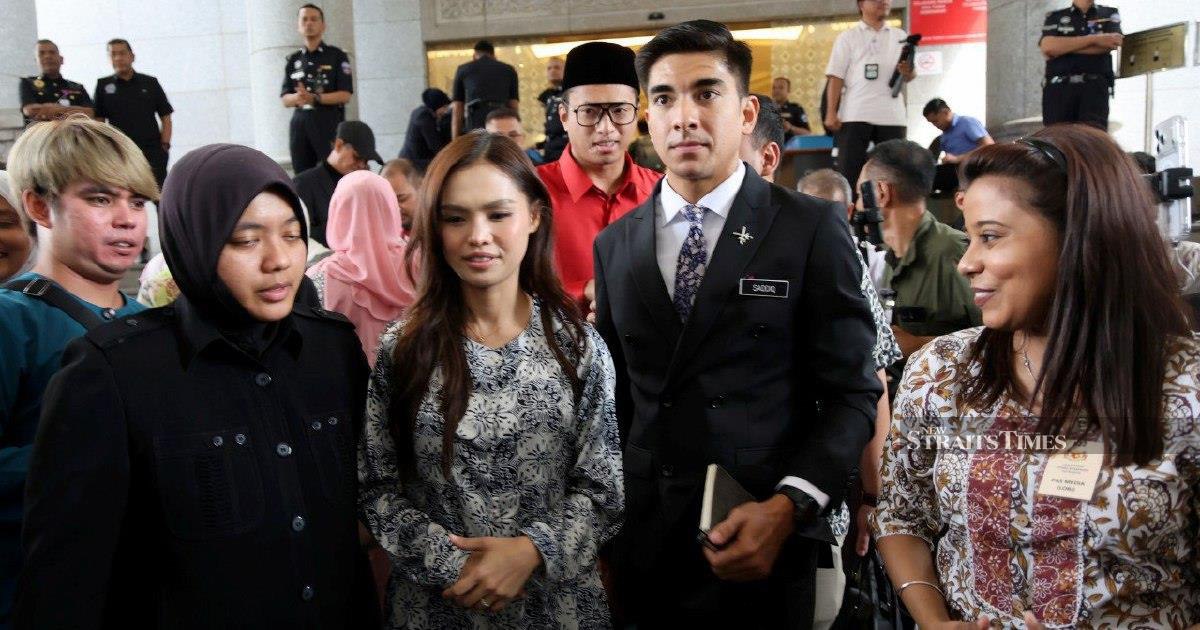
Syed Saddiq Syed Abdul Rahman, the Muar member of parliament, has signalled that reclaiming the helm of Muda is not a priority in the immediate term, despite being cleared of legal charges that had shadowed his political career. Speaking from his constituency, the 33-year-old politician revealed that personal matters, particularly his forthcoming marriage, will command his attention before any consideration of party leadership roles resurfaces.
The acquittal marks a significant turning point for Syed Saddiq, who founded Muda in 2020 as a vehicle for youth-focused politics in Malaysia. His legal troubles have been a defining feature of his recent years in public life, constraining his ability to engage fully in political activities and decision-making. The clearance by the courts removes a substantial cloud that had loomed over his political trajectory, yet he has chosen not to immediately pivot towards reclaiming control of an organisation he established.
Muda, which stands for Malaysian United Democratic Alliance, has operated without Syed Saddiq at its helm for a considerable period. The party has charted its own course during his absence, establishing itself as a distinct political force that has made electoral inroads in recent national and state-level contests. The question of leadership succession and whether the founding figure would seek to resume control has been a matter of internal and external speculation within Malaysian political circles.
Syed Saddiq's decision to deprioritise party leadership reflects a broader reality facing Malaysian politicians who have navigated legal proceedings—the need to rebuild public confidence and manage personal relationships that may have been strained during contentious periods. His focus on his upcoming marriage indicates a desire to establish stability in his private life as a foundation for any future political endeavours. This sequencing of priorities is not unusual among public figures seeking to rehabilitate their image and personal circumstances simultaneously.
The timing of his statement carries implications for Muda's organisational trajectory. The party has developed institutional structures and leadership frameworks that have functioned independently of Syed Saddiq's direct involvement. Whether Muda members expect or desire his return to active leadership remains an open question within party circles. Some may view his continued distance from the top position as enabling the party to establish its own identity, whilst others might regard his eventual return as essential to reasserting the original vision he articulated when founding the movement.
Muda's electoral performance in recent cycles has demonstrated that the party possesses capacity to mobilise youth voters and capture seats across different regions. This success under interim or alternative leadership structures suggests the party has developed beyond dependence on a single figurehead, a healthy sign of institutional maturity. Nevertheless, the symbolic importance of a founding leader's return to helm cannot be discounted in Malaysian politics, where personalities often drive electoral appeal and party cohesion.
Syed Saddiq's current parliamentary position as Muar MP provides him with a platform to remain politically active and visible without necessarily requiring formal party leadership. This arrangement allows him to contribute to Muda's parliamentary caucus and broader political positioning whilst attending to personal matters. The flexibility of this role contrasts with the demands of party presidency, which requires intensive engagement with internal party management, member relations, and strategic direction-setting.
The acquittal itself represents a watershed moment in Malaysian legal and political contexts. Court judgements affecting politicians often reshape their subsequent political engagement patterns. In Syed Saddiq's case, the clearance potentially restores his eligibility and credibility for higher-level party positions, should he choose to pursue them. However, his apparent reluctance to immediately seize this opportunity suggests either a genuine priority shift or a strategic calculation about the optimal timing for any leadership bid.
For Southeast Asian observers watching Malaysian political developments, Syed Saddiq's trajectory embodies the complexities of youth-led political movements in the region. Muda represents an attempt to channel generational change through institutional politics, yet the movement's evolution without its founder at the apex raises questions about succession planning and the durability of personality-driven political ventures. His personal decision to step back temporarily may ultimately strengthen rather than weaken Muda's long-term prospects by allowing the party to establish independent legitimacy.
Moving forward, the significant question is whether Syed Saddiq's marriage represents a final shift away from Muda leadership ambitions or merely a postponement pending personal stability. Malaysian political observers will monitor both his parliamentary activities and any signals regarding his future intentions towards party leadership. His choice to communicate this prioritisation publicly suggests an effort to manage expectations whilst establishing personal circumstances that would allow him to operate more effectively in senior political roles should he eventually pursue them.

