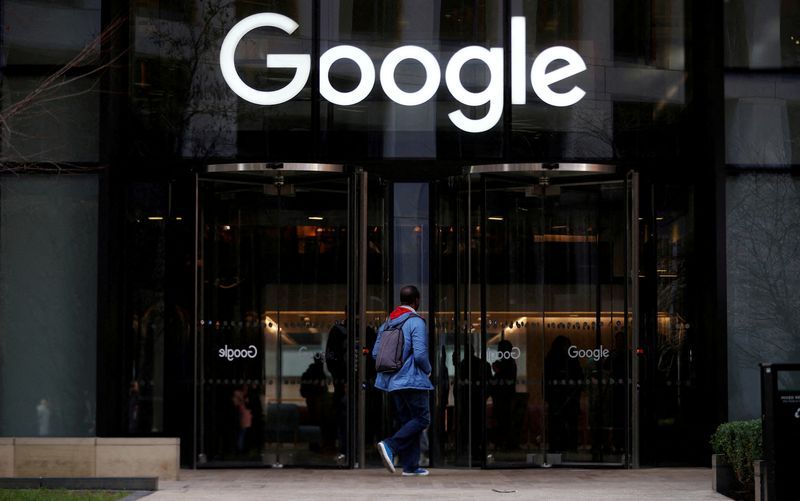
A Swedish court has dealt a significant blow to Google's dominance in European digital markets, ordering the search giant to pay approximately 14.3 billion Swedish crowns—equivalent to $1.5 billion—in antitrust damages to PriceRunner, the price comparison platform owned by fintech company Klarna. The Stockholm Patent and Market Court's judgment, delivered on Wednesday, represents a landmark victory for a regional competitor challenging one of the world's most powerful technology companies and adds to mounting legal pressure on Google across Europe.
The court determined that Google had engaged in sustained anticompetitive practices by systematically favouring its own price comparison service in search results over competing platforms like PriceRunner. This bias distorted the market for comparison shopping services, the judges found, causing measurable harm to the Swedish company's business over many years. The ruling follows a complaint filed by PriceRunner in 2022, when the company sought compensation of around €2.1 billion ($2.4 billion) for the damages it claimed to have incurred as a result of Google's conduct.
The case underscores how European regulators and courts have become increasingly aggressive in policing the behaviour of dominant technology platforms. Unlike the United States, where tech giants have largely escaped major structural antitrust challenges, Europe has pursued a more interventionist approach through both regulatory fines and private litigation. This Swedish judgment complements Europe's broader enforcement agenda, which includes the European Commission's landmark €1.49 billion fine against Google in 2019 for similar search result manipulation related to shopping services.
PriceRunner's victory carries implications far beyond Sweden. The ruling demonstrates that individual companies harmed by Google's practices can successfully recover damages through national courts, a pathway that could encourage similar lawsuits elsewhere in Europe. Klarna, the fintech unicorn backing PriceRunner, gains not only compensation but also validation that its investment in challenging Google's market power was justified. For Malaysian and Southeast Asian tech entrepreneurs, the case illustrates how even well-established global platforms can face significant legal consequences for anticompetitive behaviour in regulated markets.
The judgment reflects a broader pattern of European courts and regulators scrutinising how dominant platforms use their control over distribution channels to advantage their own services. Google's practice of promoting its own shopping comparison tool within search results—where it controls both the platform and a competing service—exemplifies what regulators view as an inherent conflict of interest. By manipulating visibility and ranking algorithms to favour its own offerings, Google allegedly leveraged its monopoly power in search to gain unfair advantages in an adjacent market.
For Google, the decision represents another expensive legal setback in Europe, where the company faces mounting fines and damages claims. Beyond the Swedish case, Google confronts similar antitrust challenges across the continent, including ongoing investigations into its digital advertising practices and demands for compliance with the Digital Markets Act. These accumulated liabilities and regulatory constraints may eventually force the company to restructure how it operates in Europe or modify the algorithms that have generated its market dominance.
The ruling also highlights differences in how various legal systems approach big tech enforcement. While American courts have generally been reluctant to impose substantial damages on technology companies, interpreting antitrust law narrowly, Swedish and other European courts have adopted more expansive interpretations focused on protecting market competition and consumer choice. This divergence could create incentives for harmed companies to pursue remedies in European forums rather than relying on American litigation.
PriceRunner's case depended on proving both that Google engaged in illegal conduct and that this behaviour caused quantifiable damage to the plaintiff. The court accepted both arguments, finding that the company's visibility in Google search results declined significantly as Google elevated its own comparison service, leading to reduced traffic and lost business opportunities. This causal chain is often difficult to establish, but the Swedish judges determined the evidence clearly demonstrated the link between Google's conduct and PriceRunner's harm.
The financial magnitude of the award—$1.5 billion—while substantial, falls short of the €2.1 billion PriceRunner originally sought. Nevertheless, the judgment establishes a precedent that European courts will award significant damages for antitrust violations involving search result manipulation, potentially opening the door to further claims from other affected competitors. Companies across Europe that have suffered similar treatment from dominant platforms may now view litigation as a viable path to compensation.
For Google and other major technology companies, the Swedish decision signals that market dominance in one area does not provide immunity for leveraging that power anticompetitively in related markets. The judgment reinforces regulatory and judicial skepticism toward practices that use control of gatekeeping platforms to disadvantage rivals, a principle increasingly embedded in European competition law and policy. As Southeast Asian digital markets mature and home-grown tech champions emerge, these European precedents may influence how regulators in the region approach questions of fair competition in digital services.
Looking ahead, the ruling likely will be appealed, and higher Swedish courts may review the damages calculation or underlying legal principles. However, the judgment's core message—that Google's conduct violated competition law and caused real harm—appears firmly established by the Stockholm court. This creates a foundation for other potential claimants and demonstrates that even the largest technology companies must answer for anticompetitive behaviour in Europe's increasingly activist legal environment.

