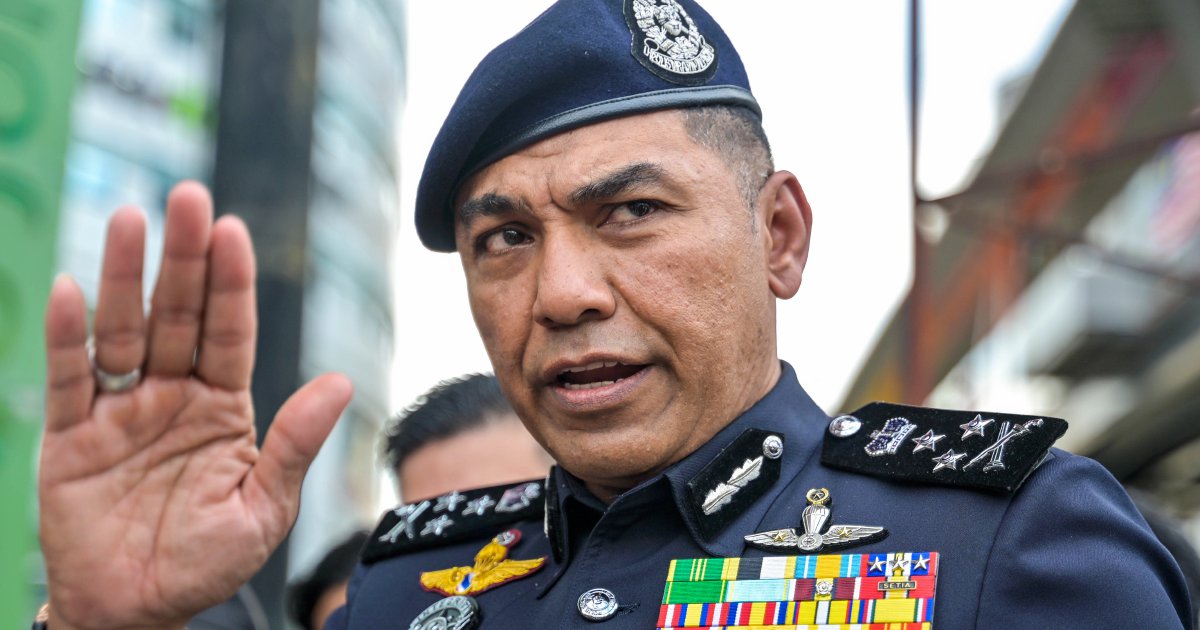
Police in Kuala Lumpur have arrested three individuals following a raid at a condominium in Sentul, with one of those detained believed to be a key organiser of illegal motorcycle racing activities. The suspects allegedly attempted to evade officers during the enforcement operation, which appears to have been targeted at disrupting underground street racing operations that have become an increasingly visible problem in the capital.
The arrest marks another step in the ongoing battle against organised illegal motorcycle racing, which has drawn heightened scrutiny from law enforcement agencies across Malaysia. These underground activities typically involve substantial financial transactions, with participants betting significant sums on races conducted on public roads and in unauthorised venues. The scale of this underground economy has prompted police to intensify operations against the networks coordinating such events.
The term "jockey" in the context of illegal motorcycle racing typically refers to someone who coordinates races, arranges participants, and manages the logistical and financial aspects of these underground events. Such individuals operate as intermediaries between riders and spectators, often wielding considerable influence within racing communities. Their arrest can significantly disrupt the chain of command within illegal racing networks, potentially preventing multiple future events from taking place.
The choice of venue—a residential condominium in Sentul—suggests that organisers were attempting to use private property as a coordination point rather than conducting races in the location itself. High-rise residential complexes in urban areas have increasingly become bases for planning illegal activities, offering relative privacy and multiple exit routes that appeal to those operating outside the law. The decision to station enforcement teams at such locations reflects police intelligence-gathering capabilities and targeted investigation strategies.
Sentul, located in central Kuala Lumpur, has experienced recurring issues with street racing over recent years. The area's proximity to major thoroughfares and residential zones creates particular challenges for residents and law enforcement alike. Police presence has been stepped up in certain locations, but the persistence of these activities suggests that enforcement alone has proven insufficient without addressing underlying demand and supply factors within racing communities.
The alleged attempt to flee during the police operation demonstrates the risks that law enforcement personnel face when conducting raids on these activities. Such resistance can escalate situations and endanger both officers and suspects. It also underscores the stakes involved for individuals engaged in organising illegal racing, where criminal records can carry serious consequences for employment and social standing beyond the immediate legal penalties.
Malaysian authorities have increasingly recognised that motorcycle racing culture, while legitimate in regulated contexts, has generated a substantial parallel economy built around illegal events. Street races conducted without permits, safety measures, or proper licensing occur regularly across urban Malaysia, drawing riders and spectators who view these activities as both entertainment and investment opportunities. The financial incentives motivating organisers remain substantial enough to sustain these operations despite periodic police crackdowns.
Previous enforcement operations have revealed sophisticated networks involved in illegal motorcycle racing, complete with communication channels, financial management systems, and established relationships between riders, mechanics, and spectators. The dismantling of such networks requires sustained effort across multiple police units and cooperation from community members willing to report suspicious activities. Single arrests, while important, represent incremental progress in addressing a systemic challenge.
The broader context involves generational attitudes toward motorcycle culture in Malaysia, where ownership is widespread and racing holds genuine appeal for many enthusiasts. Channelling this interest toward legal racing circuits and properly sanctioned events remains an ongoing challenge for authorities and community organisations alike. The illegal sector's attraction often stems from lower barriers to entry, higher stakes, and the absence of regulatory overhead compared to licensed racing facilities.
As investigations proceed into the circumstances surrounding this arrest, police will likely examine communication records, financial transactions, and the network of individuals connected to those detained. Such investigations frequently reveal larger-than-expected organisational structures and can lead to additional arrests as authorities trace connections through the racing community. The information gathered may also inform future prevention strategies tailored to the specific methods employed by these networks.
For residents in Sentul and similar urban areas affected by illegal racing activities, arrests such as this provide temporary relief but underscore the need for comprehensive approaches combining enforcement, community engagement, and alternative recreational opportunities. The presence of illegal racing in residential zones creates genuine safety concerns for drivers and pedestrians, making these police operations a matter of public safety rather than merely regulatory enforcement.
The case also highlights the resource allocation challenges facing Malaysian police, who must balance investigations into serious crimes with enforcement against activities that, while illegal, are often perceived by some as victimless. Building public support for sustained operations against illegal racing requires demonstrating the genuine harms these activities produce, including traffic safety risks, noise pollution, and the organised crime connections that frequently accompany such operations.

