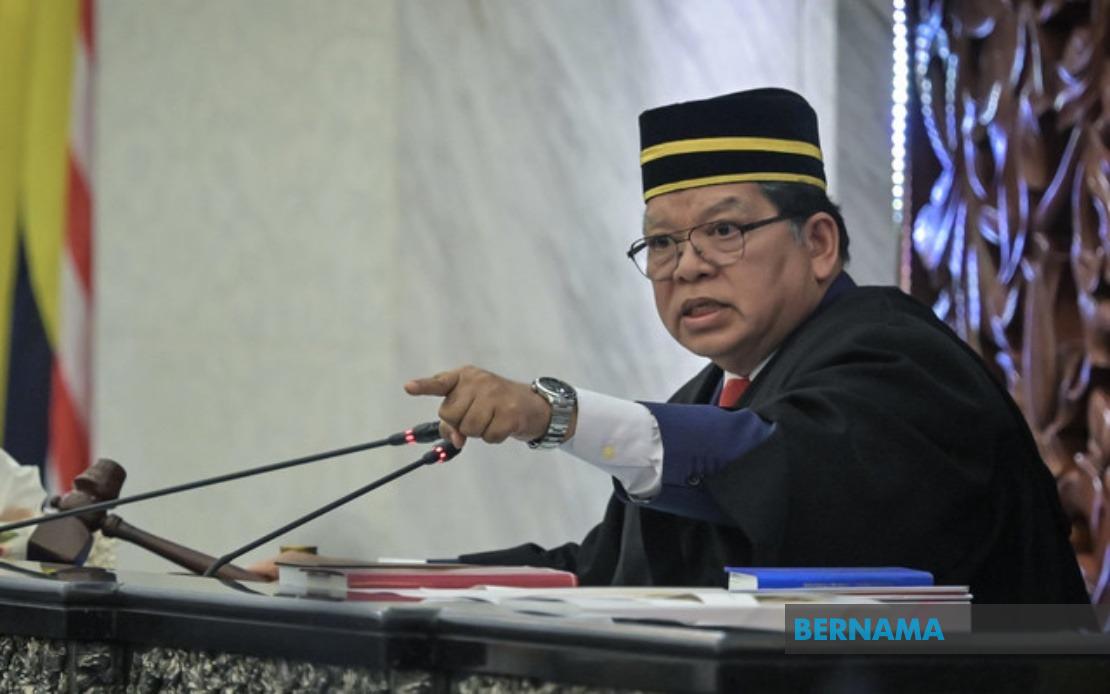
The Speaker of the Dewan Rakyat, Tan Sri Dr Johari Abdul, has formally confirmed the resignation of Subang Member of Parliament Wong Chen, marking the end of the legislator's tenure representing the constituency. The confirmation came during a Special Dewan Rakyat Sitting held in Kuala Lumpur on August 11, following Wong's announcement of his decision to step down from the position. The Speaker disclosed that he had received the official resignation notice from the Subang MP, with the notice taking effect from August 10.
Wong Chen had publicly declared his resignation through a Facebook post on August 10, confirming that his relinquishment of the parliamentary seat was entirely voluntary. Attached to his social media announcement was a formal notice dated August 5, which he had submitted to the Speaker's office. The timing between the notice's submission and its public disclosure suggests the legislator had given consideration to his decision before making it public, allowing him to formalize the process with parliamentary authorities before informing constituents and the broader political community.
As part of the constitutional requirements governing parliamentary vacancies, Speaker Tan Sri Dr Johari Abdul formally notified the Election Commission of the Subang parliamentary seat's vacancy in accordance with Article 54(1) of the Federal Constitution. This notification sets in motion the procedural framework for addressing the vacant seat, which will ultimately determine how the constituency is represented in Parliament moving forward. The constitutional provision ensures that the electoral body receives prompt official notice, enabling it to commence preparations for any necessary electoral processes or other statutory procedures required to fill the vacancy.
Wong Chen's departure represents a significant development in Subang's political landscape. As an established parliamentary figure, his resignation raises questions about the underlying motivations and future political trajectory. The voluntary nature of the resignation distinguishes it from forced departures due to legal complications or party discipline, suggesting that Wong's decision stems from personal considerations regarding his continued legislative career. The Subang constituency, a mixed urban-suburban seat with considerable political significance within the Selangor region, will now require renewed representation arrangements.
The formal confirmation by the Speaker underscores the orderly nature of the resignation process, demonstrating adherence to constitutional and parliamentary protocols. Despite the substantive political implications of losing a sitting member, the procedural handling reflects Malaysia's established democratic institutional framework. The Speaker's public announcement during a parliamentary sitting ensured transparency and formal record-keeping of this significant development in the legislature's composition.
The notification to the Election Commission carries implications for the parliamentary schedule and electoral preparedness. Depending on when the Commission determines to schedule any necessary by-election or other remedial measure, the Subang constituency may experience a period during which it has reduced representation in Parliament. This procedural gap, though temporary, could affect the constituency's ability to channel legislative matters through its elected representative during parliament's ongoing sessions.
Wong's resignation also potentially reflects broader patterns within Malaysia's political landscape, where individual legislators occasionally choose to step back from parliamentary duties for various personal, professional, or political reasons. The decision to voluntarily relinquish a parliamentary seat remains relatively uncommon compared to electoral defeats or party-driven changes, making such departures noteworthy developments in tracking parliamentary dynamics and individual legislator trajectories.
The Subang constituency itself carries historical and demographic significance. As a Selangor seat encompassing parts of the Klang Valley's urban expanse, it represents a politically contested and economically dynamic region. The vacancy creates an opportunity for renewed political competition and possibly shifts in the balance of representation should an election be called to fill the seat. Political observers will be monitoring which parties position themselves for potential electoral opportunities in this constituency.
The constitutional framework invoked by Speaker Tan Sri Dr Johari Abdul demonstrates Malaysia's formal mechanisms for managing parliamentary vacancies and maintaining the integrity of legislative representation. Article 54(1) of the Federal Constitution provides the legal foundation for such procedural actions, ensuring that departures from the legislature follow established protocols rather than creating administrative ambiguity. This adherence to constitutional process, even in routine matters like resignation confirmations, reinforces institutional stability and predictability in parliamentary governance.

