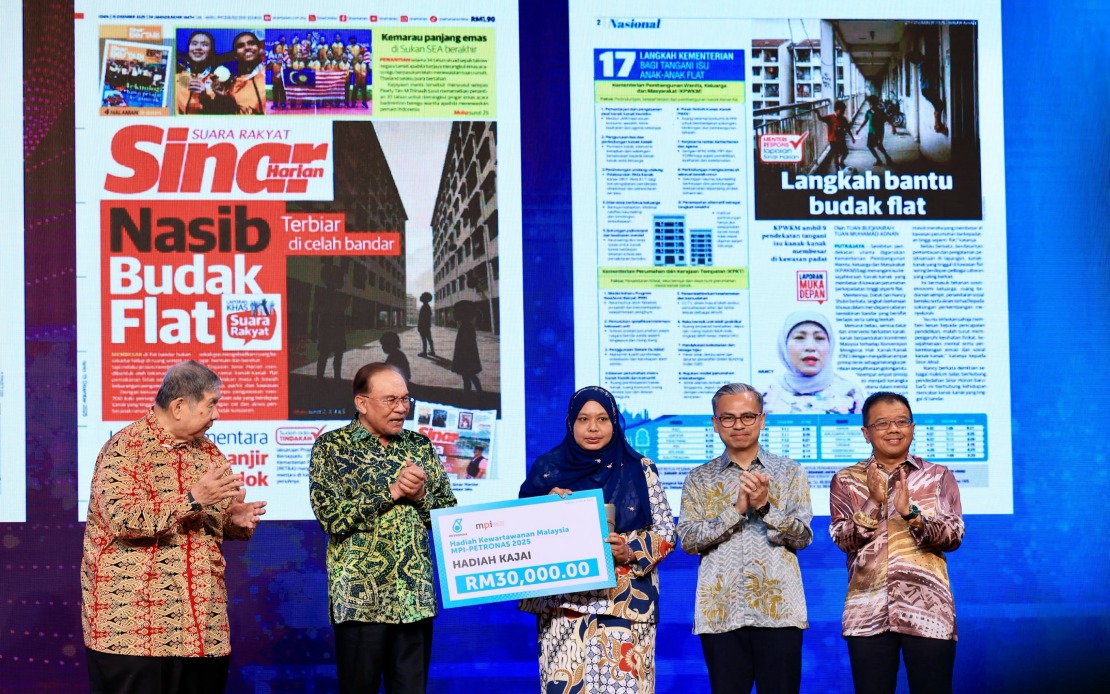
Communications Minister Datuk Seri Fahmi Fadzil has stressed that ethical, independent and responsible media constitute essential pillars for strengthening democratic institutions and fostering a well-informed public. Speaking at a major industry gathering, Fahmi highlighted the irreplaceable function that professional journalism serves in maintaining the health of Malaysia's political system and enabling citizens to make sound decisions about national affairs.
The media landscape in Malaysia and across Southeast Asia faces unprecedented pressures from the proliferation of unverified information and deliberately fabricated content online. Fahmi acknowledged that the volume of available information has expanded exponentially, creating both opportunities and significant risks. In this environment, the role of credible news organisations and committed journalists has become increasingly vital to filtering reliable facts from falsehoods and helping the public distinguish between legitimate reporting and deliberate disinformation campaigns.
Fahmi's remarks came during the Malaysian Journalists' Night (MWM) 2026 event, which he attended alongside Prime Minister Datuk Seri Anwar Ibrahim. The occasion served as a platform to celebrate journalistic excellence through the presentation of the MPI-PETRONAS Malaysian Journalism Awards 2025, recognising outstanding contributions and professional achievement within the news industry. The awards represent an important acknowledgment of journalists and editors who maintain high standards in their work despite increasing commercial and political pressures.
The minister used the gathering to express gratitude to the journalism community for their sustained commitment to truthful reporting and professional integrity. He appealed to media practitioners to continue upholding ethical standards and pursuing accuracy in their coverage, emphasising that such dedication directly serves the interests of both the Malaysian people and the nation's development. This public recognition reflects government acknowledgment that a functional democracy depends on the willingness of journalists to invest in quality reporting regardless of external challenges.
The Malaysian Journalists' Night, organised annually by the Malaysian Press Institute, has evolved into one of the region's most significant industry events. The 2026 edition drew approximately 1,000 attendees representing diverse stakeholder groups. Beyond journalists and editors, the gathering included senior officials from government ministries, corporate sector leaders, representatives from universities and higher education bodies, and various media partners. This broad participation underscores the interconnected nature of Malaysia's information ecosystem and the multiple constituencies that depend upon reliable news.
The event's structure reflected a deliberate effort to strengthen relationships between different sectors of Malaysian society. By bringing together government representatives, media organisations, and business leaders under one roof, the Malaysian Journalists' Night facilitates dialogue and mutual understanding among groups that sometimes maintain adversarial relationships. For Malaysia's media industry, such occasions provide opportunities to reinforce professional standards and discuss shared concerns about the future of journalism in an increasingly digital environment.
The MPI-PETRONAS Malaysian Journalism Awards recognise excellence across various categories of journalism practice, from breaking news reporting to investigative journalism and feature writing. By honouring outstanding examples of the craft, these awards establish benchmarks for quality within the profession and encourage journalists across the country to pursue rigorous standards in their work. The participation of major corporations like PETRONAS in sponsoring the awards signals that Malaysia's business sector recognises the importance of functional media to economic and political stability.
For Southeast Asian readers, Malaysia's emphasis on celebrating and promoting ethical journalism carries broader regional significance. As countries across the region grapple with the challenges of misinformation, concerns about media freedom, and the impact of social media on public discourse, Malaysia's approach offers lessons about how governments, industry bodies, and the private sector might collaborate to support quality journalism. The Malaysian model demonstrates one approach to balancing support for the media with professional independence.
The growing challenge of fake news and misinformation extends beyond Malaysia's borders and affects democratic processes throughout Southeast Asia. When citizens encounter deliberately misleading information without reliable mechanisms to verify facts, public confidence in institutions erodes and political polarisation intensifies. Professional journalists equipped with training, resources and editorial oversight can serve as critical counterweights to unverified online content, helping audiences navigate an increasingly complex information environment.
Fahmi's statement reflects a broader government recognition that investing in media integrity ultimately strengthens rather than undermines public trust. By publicly praising journalists and supporting the profession through events and recognition programmes, Malaysia's communications ministry signals that it views a healthy media landscape as aligned with national interests. This perspective contrasts with approaches in some neighbouring countries where governments view independent journalism as inherently adversarial.
Looking forward, the sustainability of quality journalism in Malaysia will depend on multiple factors beyond government support. News organisations must develop viable business models in an era of declining print advertising and changing audience consumption patterns. Individual journalists require adequate compensation and working conditions to attract and retain talented professionals. Meanwhile, the public must develop media literacy skills and demonstrate willingness to support quality journalism financially, whether through subscriptions or other means.
The challenges facing Malaysian and Southeast Asian journalists extend beyond business models to encompass questions about editorial independence, legal protections for reporters, and the ability of news organisations to investigate powerful institutions without facing undue interference. Events like the Malaysian Journalists' Night provide valuable occasions to reinforce commitment to these principles among industry professionals, but sustainable progress requires ongoing commitment from multiple stakeholders.

