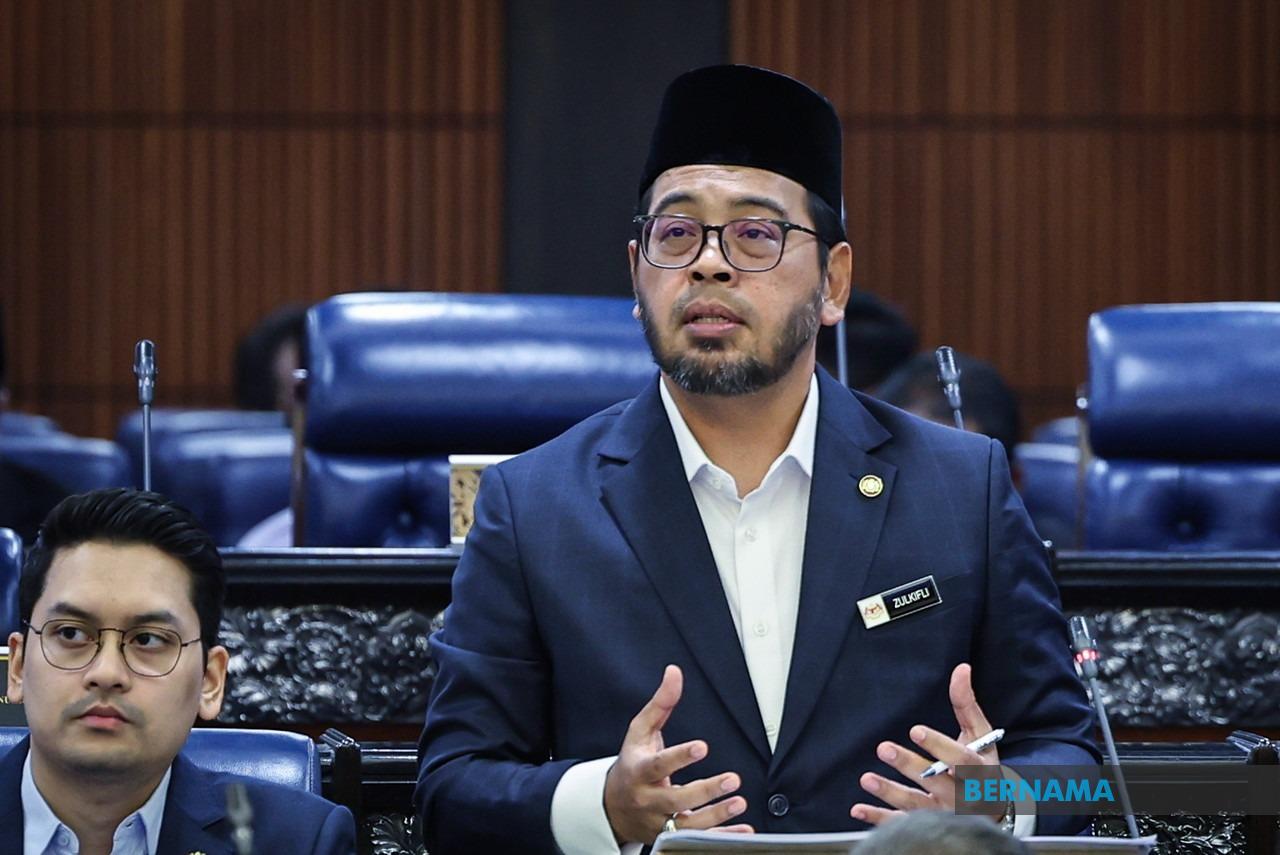
The Malaysian government has unveiled plans to substantially revise the Tabung Haji Act 1995, introducing reinforced financial governance measures and clearer legal frameworks to prevent future mismanagement at the pilgrimage fund. Minister in the Prime Minister's Department (Religious Affairs) Dr Zulkifli Hasan outlined the proposed changes during a parliamentary presentation, drawing directly from recommendations contained in a 211-page Royal Commission of Inquiry report that examined TH operations between 2014 and 2020.
At the heart of the legislative reforms lie enhanced accounting standards and explicit penalties for financial misreporting. The amendments will establish prescribed accounting requirements and create enforceable consequences for institutions that breach reporting obligations, addressing gaps identified by the RCI in how TH previously managed its financial disclosures. These changes represent a fundamental shift towards greater transparency and accountability within one of Malaysia's most significant Islamic financial institutions, which manages billions of ringgit in savings for millions of hajj pilgrims.
A specialized task force, chaired by the TH chairman and including the Bank Negara Malaysia governor and Securities Commission chairman, has been established to examine the regulatory framework in detail. The task force has already reached consensus on a crucial structural recommendation: the Securities Commission will assume primary responsibility for overseeing TH's fund management and investment activities, while the Religious Affairs Minister's office will continue supervising hajj operations. This division of authority aims to isolate each function under appropriate specialist regulation, ensuring that investment decisions face the same rigorous scrutiny applied to other managed funds under Securities Commission jurisdiction.
The proposed arrangement maintains TH as a unified entity rather than splitting it into separate organizations, a politically sensitive consideration given TH's importance to Malaysia's Muslim community. By preserving institutional coherence while introducing external oversight mechanisms, the government attempts to balance reform demands with stakeholder concerns. The Securities Commission framework, which already governs Malaysia's investment industry, brings established expertise in fund management oversight and investor protection—areas where the RCI identified significant weaknesses in TH's previous internal governance structures.
Among the most visible reforms addresses the excessive bonus payments that sparked considerable public controversy during the period examined by the RCI. TH has already adopted a recalibrated bonus framework that ties compensation to overall institutional financial performance and individual employee key performance indicators, with mandatory ministerial approval required before payments proceed. This represents a dramatic departure from previous practices where bonus allocations appeared disconnected from organizational results, creating perception of impropriety and unfairly rewarding management during periods of operational difficulty.
Profit distribution announcements will now be anchored to fully audited annual financial statements, a procedural change implemented since 2022 that directly implements RCI recommendations. Previously, profit distribution rates could be announced before complete financial audits were finalized, creating opportunities for adjustments or restatements that undermined public confidence. By tethering distributions to audited figures, the new approach ensures accuracy and prevents revisions that might suggest initial calculations were unreliable. Notably, TH's financial statements have already achieved full compliance with relevant accounting standards since 2018, indicating that some compliance elements have moved ahead of formal regulatory requirements.
Boardroom composition and leadership selection will undergo thorough restructuring under the amended Act. The RCI recommended implementing specific eligibility criteria and expertise-based appointment procedures that emphasize technical competence over political affiliation. Most significantly, the recommendations propose barring active politicians from serving as chairman or board members—a provision that addresses concerns about political patronage influencing TH management. Dr Zulkifli acknowledged this sensitive issue by noting that Malaysia possesses sufficient technocratic talent and individuals of proven integrity capable of leading TH without requiring political representatives in these roles.
The government has embraced a "fit and proper" assessment framework for all leadership appointments, adapted from Bank Negara Malaysia's established selection methodology. This standardized approach evaluates candidates on integrity, capability, and relevant experience rather than political credentials or personal connections. The benchmark represents significant institutional evolution, as previous appointment processes were frequently perceived as rewarding political loyalty rather than selecting candidates with appropriate technical expertise for managing a complex international pilgrimage operation and substantial investment portfolio.
The RCI's comprehensive examination of TH operations from 2014 to 2020 identified multiple governance failures, operational inefficiencies, and investment decisions that exposed the fund to unnecessary risks. The report's public release on July 29—following a government decision to disclose its full findings—triggered significant parliamentary interest and debate, with lawmakers from multiple political parties scrutinizing management practices that had eroded public confidence in the institution. The 211-page document provided unprecedented transparency regarding TH's internal challenges, laying foundation for the legislative reforms now being pursued.
The parliamentary special sitting provided an opportunity for elected representatives to examine both the RCI findings and government responses in detail. Minister in the Prime Minister's Department (Religious Affairs) Dr Zulkifli Hasan and Finance Minister II Datuk Seri Amir Hamzah Azizan were scheduled to respond to parliamentary debate, allowing government officials to defend reform proposals while fielding concerns from legislators representing affected constituencies. This transparent engagement signaled political commitment to addressing RCI recommendations rather than attempting to minimize or obscure problematic findings.
For Malaysian Muslims contemplating TH participation, these amendments carry immediate significance. The Securities Commission's investment oversight should theoretically improve portfolio management quality and reduce exposure to poorly considered financial decisions. Enhanced financial reporting will provide regular clarity regarding fund performance and pilgrimage costs. Stricter bonus controls and leadership appointment standards aim to align TH management incentives with pilgrim interests rather than encouraging excessive compensation that drains resources from fund growth.
The proposed amendments demonstrate how independent inquiry findings can catalyze institutional reform when political leadership commits to comprehensive implementation. Rather than dismissing RCI recommendations as bureaucratic inconveniences, the government appears determined to reconstruct TH's governance architecture around improved accountability, specialist oversight, and merit-based leadership selection. For Southeast Asian observers monitoring institutional governance practices, Malaysia's willingness to publicly examine and reform TH operations offers a model of transparency in addressing complex public-sector financial management challenges.
The timing of these amendments remains uncertain, though parliamentary discussion suggests legislative action may proceed during the current session. Implementation timelines for each reform component will require careful coordination between multiple government agencies, the Securities Commission, Bank Negara Malaysia, and TH's reorganized leadership. Ultimately, TH's reputation recovery depends less on legislative enactment than on demonstrated operational improvements and sustained institutional commitment to the transparency and governance standards the amendments establish.

