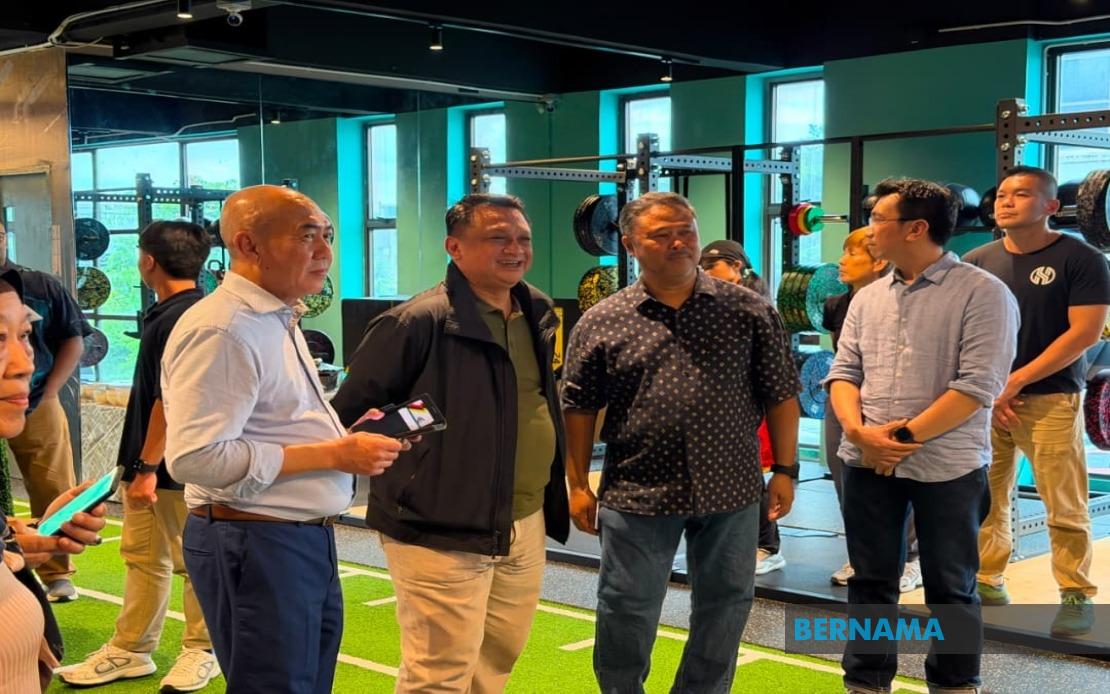
Malaysia's rapidly growing elderly population faces a serious public health challenge that remains largely unaddressed: the epidemic of falls and fall-related injuries among senior citizens. Dr Adibah Ali, who operates FitLab gymnasium in Kuching, is sounding an urgent call for awareness campaigns centred on preventative muscle-strength training, a simple yet highly effective intervention that could spare thousands of older Malaysians from debilitating fractures and extended hospital stays.
Drawing on more than two decades of experience working in hospital wards, Dr Adibah has witnessed firsthand the devastating consequences of falls among the elderly. During her years as a consultant breast and endocrine surgeon, she observed the steady stream of senior patients admitted following fall-related injuries—a pattern that convinced her to transition into promoting preventative fitness approaches. Her shift toward this mission reflects a growing recognition within Malaysia's medical community that the healthcare system must pivot from treatment to prevention, particularly as the nation's demographic profile continues to shift toward an older population.
The challenge facing Malaysia mirrors trends across Southeast Asia and beyond: as life expectancy increases and birth rates decline, the proportion of citizens aged 60 and above is expanding at an unprecedented rate. In Sarawak specifically, those aged 50 and above already represent a significant and rapidly growing segment of the population, according to Datuk Gerald Rentap Jabu, the state's Deputy Minister of Youth, Sports and Entrepreneur Development. This demographic shift creates both urgency and opportunity for developing targeted health interventions tailored to the needs of older adults.
Contrary to popular misconception, the strength training advocated by Dr Adibah is not about transforming seniors into bodybuilders or creating elaborate physiques. Instead, the focus centres on modest, consistent resistance exercises that build and maintain bone density, stabilise joints, and enhance the muscular coordination necessary for maintaining balance and executing daily movements safely. These improvements translate directly into functional gains: an elderly person who has undergone appropriate strength conditioning finds climbing stairs less daunting, carrying groceries less risky, and navigating crowded spaces with greater stability and confidence.
The evidence base supporting this approach is substantial. Falls represent one of the leading causes of injury-related mortality and morbidity among older adults globally, with fractures from falls frequently triggering cascading health complications. A single fall can initiate a downward spiral—the resulting immobility leads to deconditioning, which increases the risk of subsequent falls, creating a vicious cycle. By contrast, individuals who maintain adequate muscle mass and strength tend to recover more rapidly from injuries, experience fewer complications, and maintain greater independence in their later years. For Malaysia's healthcare system, already strained by multiple competing demands, prevention through strength training offers a cost-effective alternative to managing the acute and chronic consequences of fall injuries.
Awareness of these benefits, however, remains disappointingly low throughout Malaysia despite the clear demographic imperative. Dr Adibah's initiative to introduce specialised strength-training classes specifically designed for elderly participants at FitLab represents a practical step toward changing this landscape. Rather than implementing a one-size-fits-all approach, such programmes would likely incorporate modified equipment, adjusted intensity levels, and qualified instruction sensitive to age-related considerations such as joint health, cardiovascular capacity, and existing mobility limitations.
The proposed collaboration between FitLab and Pusat Aktiviti Warga Emas (PAWE)—Malaysia's network of senior citizen activity centres—could substantially amplify the reach and impact of these initiatives. PAWE facilities already serve as trusted gathering points for older Malaysians, providing existing infrastructure and established relationships that could facilitate participation in fitness programmes. By embedding strength-training options within these familiar community spaces, barriers to participation such as transportation, social anxiety, and unfamiliarity with gymnasium environments could be substantially reduced.
Beyond the narrower focus on physical strength, Datuk Rentap highlighted the importance of adopting a holistic approach to senior wellness that encompasses mental stimulation alongside physical activity. His mention of activities such as chess—which demand cognitive engagement and strategic thinking—underscores recognition that healthy ageing involves maintaining and exercising mental faculties alongside physical capabilities. This integrated perspective aligns with contemporary gerontological research emphasising that overall quality of life in later years depends on maintaining both physical function and cognitive vitality.
The royal visit to FitLab by the Raja Muda of Perlis, Tuanku Syed Faizuddin Putra Jamalullail, and his family signalled institutional endorsement of this preventative health agenda. Such high-level recognition can serve as a catalyst for shifting public attitudes and priorities regarding healthy ageing, potentially influencing policy discussions at state and federal levels concerning healthcare resource allocation and public health messaging.
For Malaysian policymakers and health authorities, the evidence and advocacy emanating from practitioners like Dr Adibah presents a compelling case for prioritising senior fitness within national health strategies. The cost of implementing widespread strength-training programmes pales in comparison to the expenses associated with treating fall-related fractures, managing post-injury complications, and supporting diminished independence in later life. Moreover, such programmes offer secondary benefits including enhanced social connection, improved mental health outcomes, and maintained dignity through functional independence—factors that significantly influence quality of life but rarely appear in narrow economic analyses.
Moving forward, scaling these initiatives will require coordinated effort across multiple sectors: fitness professionals must adapt their expertise to serve older populations; community centres must integrate appropriate programmes; healthcare providers must actively counsel patients about preventative approaches; and public health campaigns must shift messaging away from the fatalistic acceptance of frailty in old age toward the empowering reality that substantial functional gains remain achievable through consistent, appropriate training. For Malaysia's rapidly ageing society, such transformation could represent the difference between healthy, independent later years and preventable decline.

