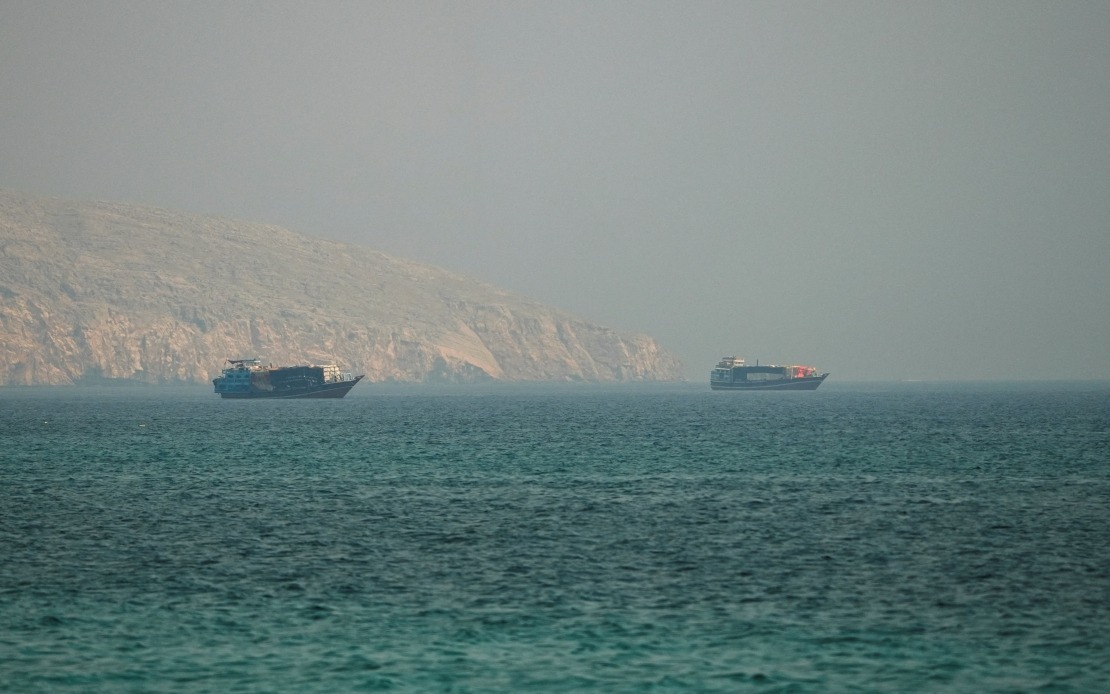
Shipping traversing one of the world's most strategically vital waterways faces heightened dangers, with the UK Maritime Trade Operations maintaining its assessment of a severe maritime security threat in the Strait of Hormuz. The classification reflects mounting concerns over the safety of commercial vessels following a fresh wave of attacks on merchant shipping in the critical seaway that connects the Persian Gulf to the wider Indian Ocean.
The Joint Maritime Information Centre, which operates under UKMTO, issued updated guidance on Friday emphasising that while mariners can utilise an expanded southern corridor through the Strait, they must remain vigilant given the unstable security environment. The advisory represents an acknowledgment by British maritime authorities that despite official assurances about navigable routes, the underlying threat environment has not materially improved. For Malaysian shipping companies and regional maritime operators, the persistent warnings underline the operational complexities and insurance premiums associated with Gulf transit, an issue of direct concern given the reliance of Southeast Asian economies on stable maritime trade lanes.
Vessels transiting the contested waterway should anticipate unsolicited radio communications from military forces operating in the area and remain cognisant of demarcated mine-danger zones. These operational realities reflect the militarisation of what should be a neutral commercial passage, creating friction not only between belligerents but also imposing compliance burdens on neutral merchant vessels attempting legitimate passage. The necessity for mariners to maintain heightened readiness and coordinate with multiple military authorities complicates scheduling and raises operational costs throughout the region's shipping industry.
The current security deterioration stems from a series of deliberate attacks targeting commercial shipping, incidents that have provoked a sharp escalation in US-Iran military confrontation. Washington has responded with sustained military strikes directed at Iranian military infrastructure and targets, framing these operations as defensive responses intended to protect maritime commerce. The United States has made explicit that its military operations aim to deter further assaults on merchant vessels and restore freedom of navigation through the strategic passage.
Iran contests this characterisation, maintaining that commercial shipping must coordinate passage through the Strait with Tehran's authorities and adhere exclusively to Iranian-designated shipping corridors. This insistence on routing control and mandatory coordination reflects Iran's strategic interest in asserting sovereignty and influence over the waterway, positioning itself as the legitimate arbiter of safe passage. Tehran has further retaliated against US strikes by launching drone attacks on American military installations positioned throughout the Persian Gulf region and beyond, extending strikes to targets in Jordan as part of a wider pattern of regional pressure.
The escalatory cycle between the two powers creates compounding risks for third-party maritime operators. Commercial vessels face potential consequences not only from direct military action but also from miscalculation or unintended engagement with military assets operating in crowded waters. For Southeast Asian merchants and regional governments reliant on Gulf trade, this instability translates into supply chain vulnerabilities, elevated insurance costs, and potential disruptions to critical energy imports and export markets.
Attempts to contain the deterioration showed modest progress last month when Iran and the United States negotiated a memorandum of understanding under Pakistani diplomatic mediation. The accord ostensibly sought to establish mechanisms for de-escalation and construct a pathway toward sustained peace. The involvement of Pakistan as intermediary underscored the broader regional dimensions of the crisis and the international investment in preventing further spiralling tensions. However, the substantive implementation of this understanding remains clouded by uncertainty as both nations continue military operations and maintain confrontational rhetoric.
The durability of the Pakistani-mediated agreement faces serious testing from the ongoing hostilities. Rather than signalling a fundamental shift in the bilateral relationship, the memorandum appears to represent a tactical pause or negotiating framework that has not yet arrested the underlying conflict drivers. Both Washington and Tehran maintain redlines that appear difficult to reconcile, suggesting that the current ceasefire-like arrangement may prove temporary absent significant concessions from either party.
For Malaysian policymakers and maritime interests, the Strait of Hormuz crisis carries direct operational implications. As a major maritime trading nation with substantial shipping interests, Malaysia's commercial fleet regularly navigates these contested waters. The persistent security challenges affect vessel routing decisions, crew safety protocols, and the economic viability of certain trade routes. Regional shipping associations and logistics providers must factor ongoing instability into pricing models and contingency planning.
The broader ramifications extend beyond immediate maritime commerce. Energy security concerns ripple throughout Asia as Middle Eastern oil and liquefied natural gas shipments traverse the Strait. Any sustained disruption could exert upward pressure on regional energy costs and complicate the economic calculus for energy-importing nations including Malaysia. The strategic importance of maintaining free passage through the waterway extends across political and commercial constituencies across Southeast Asia.
The UKMTO's continued classification of the threat environment as severe indicates that international maritime authorities view the current situation as fundamentally unstable despite diplomatic outreach. This assessment carries weight for individual mariners, shipping operators, and maritime insurers who must price risk accordingly. The availability of an expanded southern route provides tactical flexibility but does not address the underlying security vulnerabilities that prompted the threat elevation.
Looking forward, the trajectory of US-Iran tensions will substantially determine maritime security conditions in the Strait. Further military escalation could necessitate more restrictive routing advisories or expanded danger zone designations, further complicating already complex shipping logistics. Conversely, meaningful progress in the Pakistani-mediated talks could gradually reduce threat assessments, though evidence of genuine de-escalation remains limited. For regional stakeholders including Malaysia, sustained engagement with international maritime bodies and close monitoring of diplomatic developments remains prudent.

