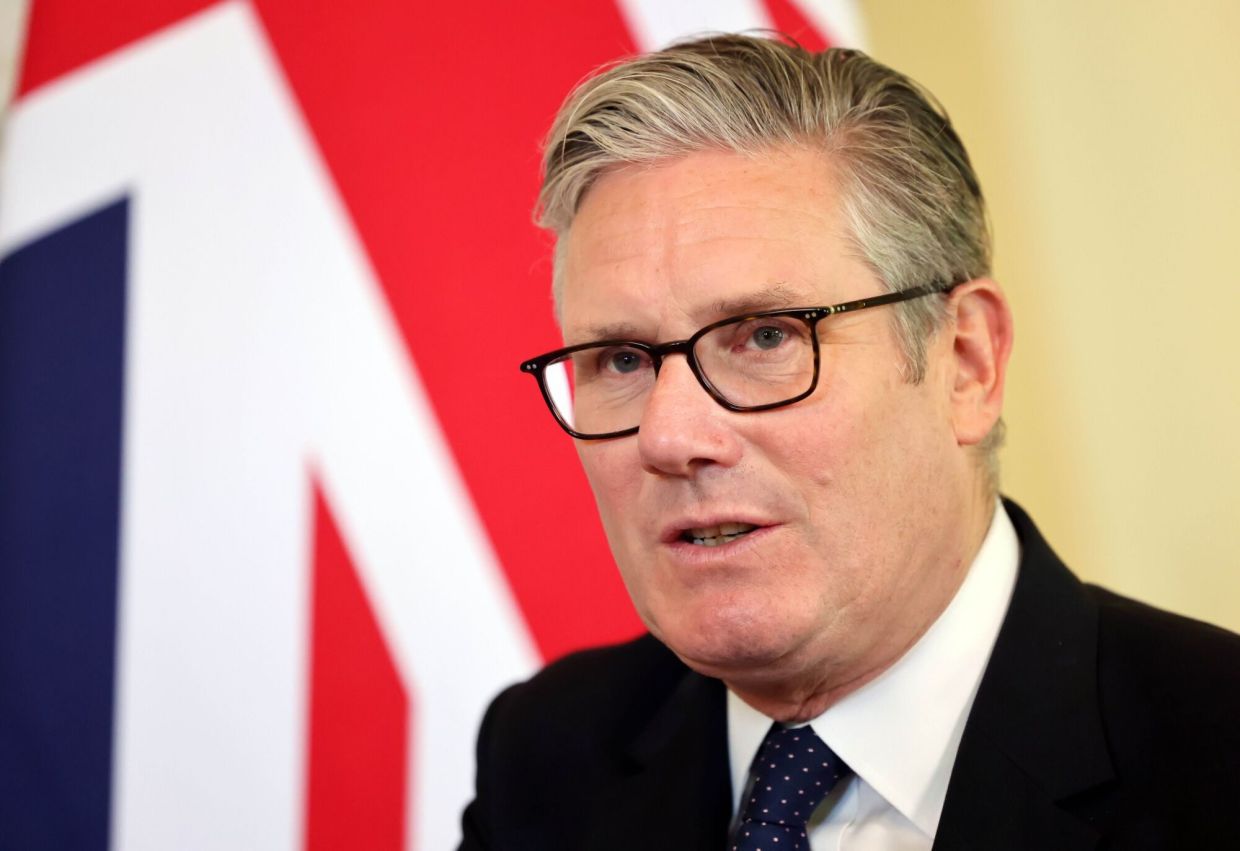
Prime Minister Keir Starmer is set to unveil strict regulations aimed at shielding British teenagers from online dangers, marking a significant moment for his administration. The announcement on Monday morning will include a ban preventing under-16s from accessing major social media platforms, coupled with other protective measures such as age-related curfews and stringent oversight of artificial intelligence chatbots. Starmer will then travel to Évian-les-Bains in France for a Group of Seven gathering, where he must address lingering questions about his government's stability following last week's defence secretary resignation and debates over military spending.
The proposed legislation surpasses comparable measures in Australia, where comparable age restrictions took effect recently. Public backing for restricting teenagers' social media access remains strong across Britain, though enforcement challenges persist. "This is a choice about whose side we're on: families across the country, or a status quo that isn't working," Starmer stated in remarks released late Sunday.
Criticism has mounted over the government's approach, particularly from Ian Russell, whose teenage daughter died in 2017 following exposure to damaging online material. Russell warned the BBC that rushing the ban announcement would prove "deplorable," suggesting political motivations behind the timing. Multiple cabinet members have privately expressed concern that the decision to impose a complete ban on under-16s accessing social media was accelerated in advance of Thursday's parliamentary by-election, according to sources with knowledge of deliberations. The Liberal Democrats similarly attacked the policy as "rushing through a half-baked policy just to secure a political legacy."
Starmer confronts mounting political pressure as he prepares for the week ahead. A special election in Makerfield on Thursday could see Labour lose a seat if Andy Burnham prevails in his bid for a parliamentary position—a scenario observers suggest could trigger a leadership contest within the Labour party this summer. The government has already weathered recent departures, including defence secretary John Healey and junior defence minister Al Carns, who resigned over concerns that military funding increases fell short of requirements given threats from Russia and other rivals.
Despite Healey's exit signalling disagreement over defence budgets, Culture Secretary Lisa Nandy indicated Sunday that efforts to increase military funding remain active. "Negotiation is happening as we speak," Nandy told the BBC, implying Starmer is exploring additional resources from other government departments. A larger defence allocation could help Starmer honour commitments to international partners but risks inviting accusations of policy reversals following recent high-profile resignations.