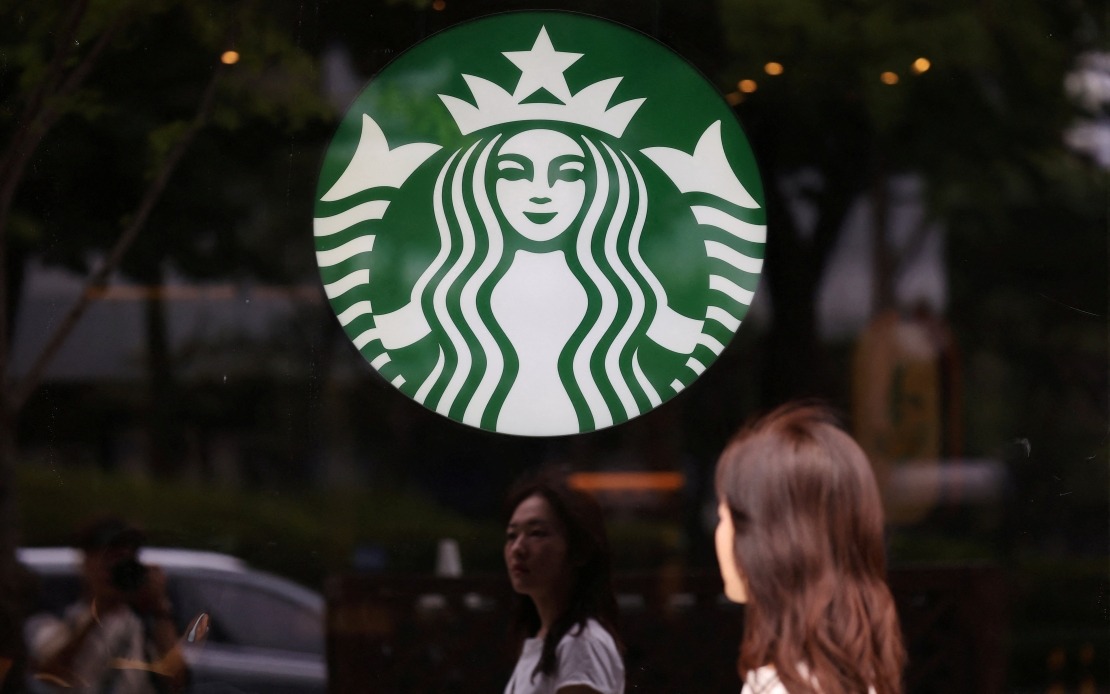
Starbucks Korea made an unprecedented operational decision on Monday, closing every single outlet across the country to conduct mandatory historical education sessions with employees in the fallout from a catastrophic advertising scandal. The blanket shutdown of the coffee chain's network of over 2,000 stores represented an extraordinary acknowledgment of the gravity of the controversy engulfing its South Korean licensee partner, Shinsegae, which operates the American company's local business. By bringing operations to a halt rather than maintaining normal service, the company signalled to the Korean public that it was treating the matter with utmost seriousness and committing to institutional reform.
The controversy centred on a promotional campaign launched by Shinsegae in May that marketed a stainless steel thermos cup under the brand name "SS Tank" and designated May 18 as "Tank Day". The timing and terminology proved catastrophically tone-deaf. South Koreans responded with immediate and intense public anger, mobilizing calls for boycotts and triggering a social media firestorm that forced the company to halt the campaign within hours of its launch. The depth of public outrage became apparent when prominent political figures, including President Lee Jae Myung, publicly condemned the campaign, with the President posting on X that he felt "furious at the inhumane behaviour of such businesspeople".
The reason for this volcanic response lies in South Korea's historical trauma. On May 18, 1980, the military government then controlling the country brutally crushed a pro-democracy uprising in the city of Gwangju using military force, including tanks deployed directly against civilians. The crackdown resulted in the deaths of several hundred people and remains one of the most sensitive dates in modern Korean history. By coinciding the product launch and promotional campaign with the anniversary of this massacre, Shinsegae appeared to be either deeply ignorant of the historical significance or, in the eyes of many Koreans, deliberately provocative. The wound of Gwangju remains raw in South Korean collective memory, making the marketing stunt seem not merely insensitive but actively disrespectful to those who lost their lives.
A secondary controversy surrounded the "SS" abbreviation itself. While Shinsegae maintained that the letters represented "stainless steel", critics quickly noted that the same abbreviation historically denoted the Schutzstaffel, Adolf Hitler's paramilitary organization. This additional layer of controversy, while less central to the public outcry than the Gwangju connection, added to the perception that the company had failed in basic due diligence before launching a major promotional campaign. The convergence of multiple controversial interpretations suggested systemic failures in the company's risk assessment and corporate responsibility processes.
In response to the firestorm, Shinsegae moved swiftly to contain the damage. The company issued a formal apology acknowledging the campaign's grave misstep and announced the dismissal of the executive responsible for developing and approving the promotion. Following an internal investigation, company leadership stated categorically that there had been no intention to defame or disrespect the victims of the 1980 Gwangju democracy movement, characterizing the campaign as a regrettable failure of judgment rather than deliberate malice. However, such statements did little to quell public sentiment in the immediate aftermath.
The decision to close all Starbucks outlets for mandatory historical education represented an attempt to demonstrate genuine institutional learning and commitment to preventing similar lapses in judgment. By requiring all staff members to participate in compulsory training during the afternoon closure, the company signalled that education about South Korea's modern history and the significance of key dates was not optional knowledge for employees but a fundamental requirement. This approach went beyond damage control and positioned the incident as a teaching moment for the entire organization.
South Korea's national police have also opened a formal investigation into the circumstances surrounding the campaign's development and approval. This police involvement indicates that the matter has transcended corporate scandal territory and entered the realm of official legal scrutiny. Investigators will likely examine decision-making processes, communications between departments, and whether any laws regarding defamation or incitement were violated. The investigation adds another layer of consequence for the company and signals that South Korean law enforcement considers historical sensitivity and respect for national memory to be matters worthy of formal investigation.
For multinational corporations operating in South Korea and throughout East Asia, this episode carries significant lessons. Consumer sensitivity to historical issues in the region runs extraordinarily deep, and companies that operate across markets must invest substantially in localized knowledge about dates, symbols, and historical contexts that carry profound meaning. What might seem like a neutral product name or promotional date in one market can trigger existential corporate crises in another. The incident underscores the necessity for rigorous local oversight, particularly when foreign parent companies delegate marketing and operations to regional partners.
Shinsegae's swift action in terminating the executive and implementing company-wide historical education suggests a recognition that in contemporary South Korean society, corporations are increasingly held accountable not merely for economic performance but for cultural sensitivity and demonstrated respect for historical memory. The incident reflects broader global trends where companies face intense scrutiny regarding their alignment with public values and their treatment of historically sensitive matters. For Starbucks specifically, while the company operates through a local franchisee, the damage to brand reputation extends across the entire chain given the nature of modern interconnected consumer awareness and social media mobilization.