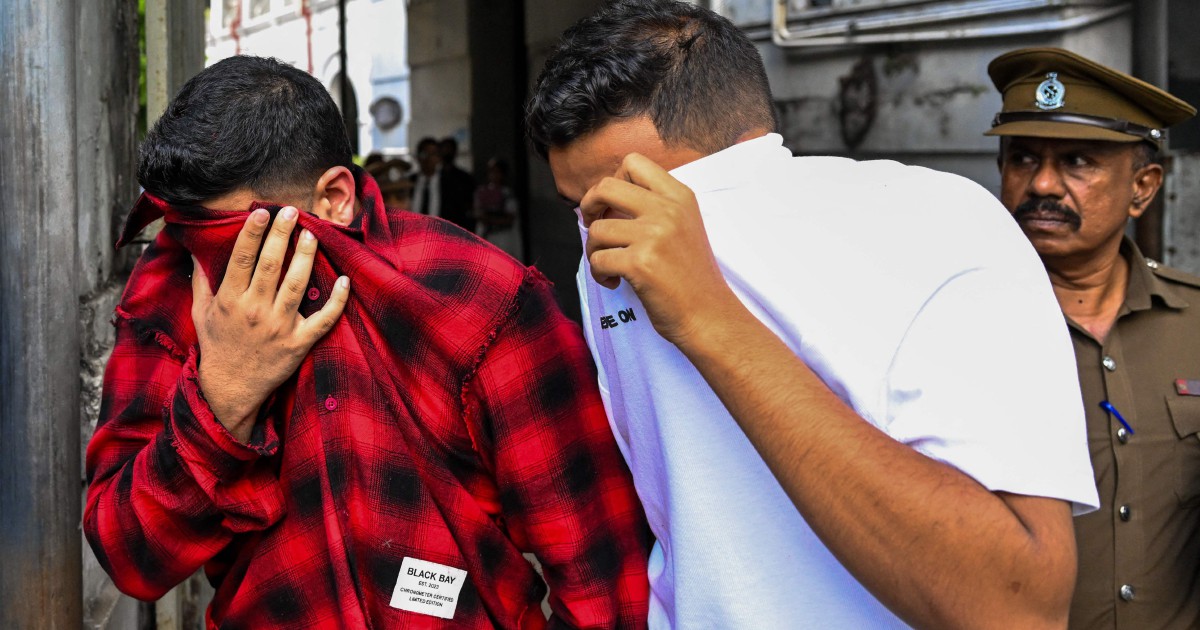
An Indian businessman holding a stake in a Lanka Premier League franchise faces an extended period in custody after a Colombo-based court determined Friday that he should remain imprisoned pending further investigation into allegations that he sought to corrupt professional cricketers through financial inducements for match-fixing purposes.
The judicial order, which stipulates detention through the end of the month, signals the gravity with which Sri Lankan authorities are treating the corruption allegations. The accused co-owner stands charged with orchestrating a scheme to bribe five players associated with the franchise, an alleged conspiracy that undermines the integrity of the island nation's premier domestic T20 competition.
Match-fixing scandals represent an existential threat to professional cricket globally, particularly in smaller markets where domestic leagues struggle to establish credibility among sponsors, broadcasters, and international partners. Sri Lanka, a cricket-obsessed nation with deep historical roots in the sport, has experienced its share of corruption controversies in recent years, making this latest incident especially damaging to the sport's reputation locally.
The Lanka Premier League operates as a crucial platform for developing Sri Lankan domestic talent while simultaneously attracting international investment and viewership. The franchise model, which relies heavily on foreign ownership and capital, has transformed the competition into a significant revenue generator for local cricket administrators. When corruption allegations surface at this level, they threaten to destabilise investor confidence in future seasons and raise uncomfortable questions about the oversight mechanisms governing the competition.
The involvement of five players simultaneously suggests a coordinated attempt at systematic manipulation rather than isolated instances of individual misconduct. This scale of alleged involvement amplifies concerns about institutional vulnerabilities within the franchise structure and the adequacy of existing anti-corruption protocols. Cricket boards across South Asia have historically struggled to implement enforcement mechanisms robust enough to prevent determined criminals from exploiting the sport's financial incentives.
For Malaysian cricket enthusiasts and regional sports administrators, this development carries particular relevance. Southeast Asian cricket competitions, including domestic leagues in Malaysia, operate within the same global ecosystem and face identical vulnerabilities to corruption. The case serves as a cautionary reminder of the systematic pressures that can emerge as domestic cricket commercialises and attracts substantial overseas investment.
The remand decision reflects judicial confidence in the investigation team's assessment that further custody is warranted to pursue leads, secure evidence, and potentially interview additional witnesses. Detention orders of this nature typically indicate that authorities anticipate discovering corroborating material evidence or securing cooperative witness testimony that advances the case materially.
Sri Lanka's cricket administration faces mounting pressure to demonstrate that it can manage competition integrity effectively while maintaining the commercial appeal necessary to sustain investor participation. The board's response to this scandal will significantly influence whether international partners continue viewing the Lanka Premier League as a reliable investment opportunity or increasingly regard it as a high-risk venture vulnerable to corruption.
The alleged bribery scheme, if substantiated, would constitute one of the more brazen attempts to manipulate professional cricket outcomes in recent memory, given the direct involvement of a franchisee with formal institutional authority. Team ownership normally confers considerable organisational legitimacy, which makes using that position to facilitate corruption particularly corrosive to the competition's credibility.
Regional cricket bodies and law enforcement agencies across South Asia have recently intensified coordination on match-fixing investigations, recognising that corruption networks frequently operate across multiple jurisdictions. This case may stimulate information-sharing between Sri Lankan investigators and counterparts in neighbouring countries, potentially uncovering broader patterns of corruption within the subcontinent's cricket economy.
The financial stakes involved in T20 cricket—encompassing broadcasting rights, sponsorship agreements, betting markets, and franchise valuations—create powerful incentives for individuals to attempt manipulation. Sri Lanka's relatively smaller domestic cricket market, combined with disparities between player compensation levels and betting markets, creates conditions that sophisticated corruption operators often target.
As the investigation proceeds through the court system, the broader implications for franchise-based cricket models across South Asia will become increasingly apparent. The case will likely prompt stakeholders throughout the region, including Malaysian cricket authorities, to reassess their integrity protocols and strengthen institutional safeguards against systematic corruption attempts.

