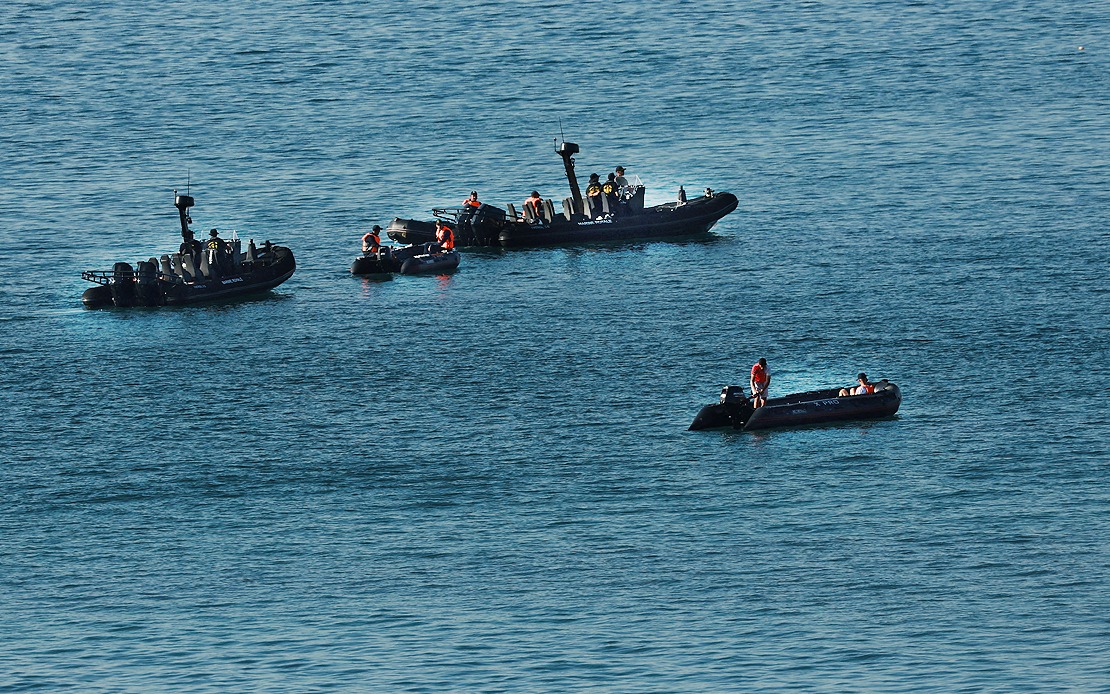
Recovery operations continue off the coast of Ceuta as Spanish authorities grapple with the humanitarian aftermath of a unprecedented migrant crossing event that overwhelmed the small Spanish enclave in North Africa. The death toll has reached 67 confirmed bodies recovered from the sea, with search and rescue teams maintaining operations as officials prepare facilities designed to handle significantly higher numbers of fatalities. The scale of the tragedy underscores the desperation driving migration attempts across the Mediterranean and the dangerous maritime conditions migrants face when seeking entry to European territory.
The migrant surge, which peaked earlier in the week, saw approximately 50,000 individuals cross from Morocco into Ceuta within just a few days—a remarkable influx for a territory with a permanent population of only 85,000 residents. The sheer velocity of arrivals created chaotic conditions at border crossing points and overwhelmed local emergency services and accommodation facilities. Most of these migrants have since voluntarily returned to Morocco, suggesting the crossing may have been coordinated as part of a larger movement or prompted by rumours of relaxed border enforcement.
Spanish government handling of the crisis has drawn sharp criticism from across the European Union political spectrum, despite the left-wing administration in Madrid's efforts to manage the situation. Leaders from multiple EU member states have publicly questioned whether Spain adequately secured its maritime borders and whether policy decisions contributed to the surge. The intensity of external criticism reflects broader tensions within Europe over migration policy, with different nations advocating conflicting approaches to border management and asylum procedures.
The underlying legal architecture that may have precipitated this crisis centres on a Spanish Supreme Court decision that created an unexpected loophole in border enforcement procedures. The court ruling established that individuals entering Spanish territory through irregular means—specifically by crossing borders via unfortified sections such as the sea—retain the right to individual asylum assessments rather than automatic rejection. This interpretation inadvertently created incentives for maritime crossing attempts and potentially influenced the timing and scale of the recent migrant surge.
In response to this legal vulnerability and the immediate crisis, Spanish authorities have initiated a physical barrier construction project along the maritime boundary. Workers have begun installing buoys designed to create a continuous demarcation at sea, effectively closing the loophole that the Supreme Court ruling had opened. This infrastructure approach represents an attempt to restore deterrence through visible, physical impediments while Spain's legal system addresses the underlying court decision that enabled the surge.
The installation of maritime barriers reflects a broader strategic shift toward preventing maritime crossing attempts before they occur. By making unauthorised sea crossings more visibly difficult and potentially more dangerous, Spanish authorities hope to reduce the number of migrants attempting the crossing and decrease fatalities associated with these dangerous passages. The buoys serve as both a practical barrier and a symbolic statement of Spain's commitment to border control enforcement.
For Malaysia and other Southeast Asian nations observing European migration dynamics, the Ceuta crisis illustrates how legal frameworks and court decisions can have unintended consequences on migration patterns. The Spanish Supreme Court's ruling, intended to protect asylum seekers' rights, inadvertently created conditions that enabled a mass crossing event resulting in significant loss of life. This cautionary example demonstrates the importance of comprehensive legal consistency when establishing immigration and asylum procedures.
The incident also reveals how migration pressures can suddenly concentrate at specific border points when conditions align—whether through legal loopholes, perceived policy shifts, or rumour networks among migrant communities. The 50,000 person surge occurred within days, suggesting either coordinated movement or rapid dissemination of information about crossing opportunities. Understanding these dynamics proves critical for border management in any region experiencing migration pressures.
Broader implications extend to how European nations are reconsidering maritime border enforcement and the role of physical infrastructure versus legal frameworks in controlling migration. Spain's buoy installation represents a pragmatic response to an immediate crisis, yet raises questions about the long-term effectiveness of such measures when underlying legal conditions remain contested. The fact that these barriers were necessary underscores tensions between humanitarian obligations to assess asylum claims and sovereign rights to control borders.
The recovery operations and facility preparations indicate Spain's recognition that maritime migration attempts will likely continue despite the recent surge's resolution. Authorities have prepared accommodations for up to 200 bodies, suggesting expectations of elevated fatality risks in coming months. This grim preparation reflects the reality that migrants continue attempting these crossings despite known dangers, driven by conditions in their origin countries that make the risk seem worthwhile.
For regional policymakers in Southeast Asia, the Ceuta case study offers insights into how sudden migration surges can overwhelm even developed European infrastructure and how legal complexities can confound enforcement efforts. As Southeast Asian nations continue developing their own immigration frameworks and border management approaches, the Spanish experience demonstrates the value of ensuring legal consistency and avoiding unintended incentive structures within asylum and border control systems.
The incident ultimately represents a failure of coordination between legal protections and enforcement mechanisms—a lesson particularly relevant for developing nations managing migration within increasingly complex regional frameworks such as ASEAN. The recovery operations will likely continue for weeks, serving as a sobering reminder of the human cost of uncontrolled migration flows and the importance of comprehensive, coordinated policy approaches that balance humanitarian concerns with effective border management.

