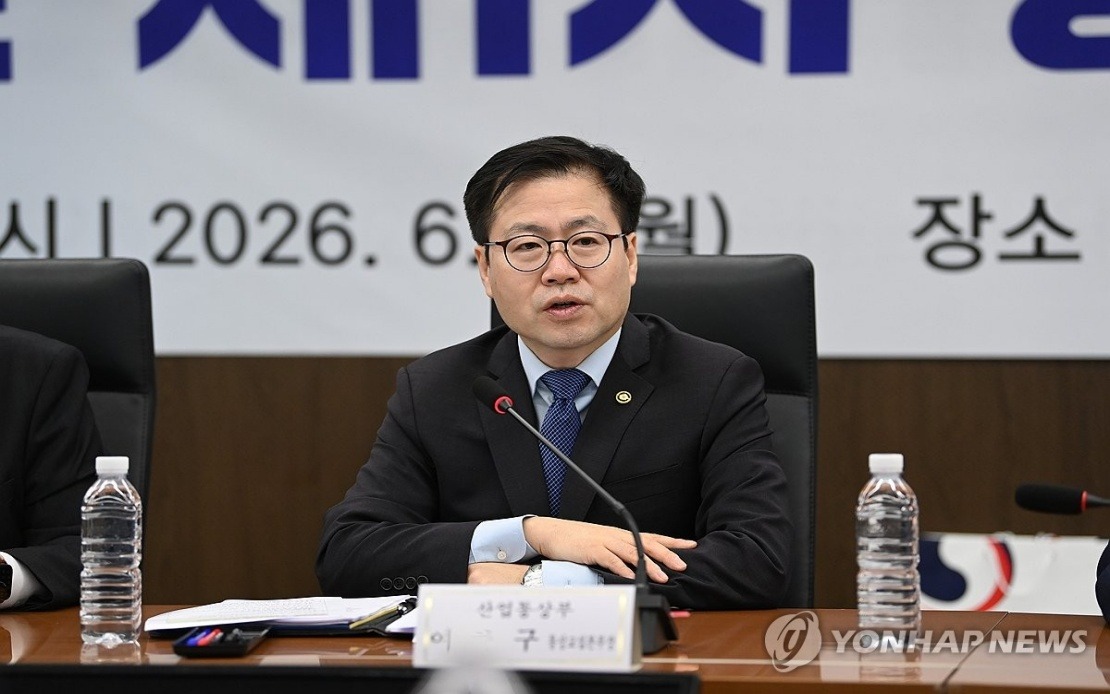
South Korea's chief trade negotiator has been dismissed from his position, according to government officials who announced the decision on Saturday. Yeo Han-koo received notice of his removal from the Ministry of Personnel Management on Friday, marking a significant leadership change at a critical juncture for Seoul's economic relations with Washington. The timing of the dismissal has drawn scrutiny given the mounting pressures facing South Korea in its trade dealings with the United States.
Government representatives moved quickly to distance the dismissal from ongoing tariff disputes between Seoul and Washington, with one official telling Yonhap News Agency that the decision had nothing to do with bilateral trade negotiations. The Ministry of Trade, Industry and Energy declined to provide detailed reasons for Yeo's removal, leaving observers to speculate about the underlying causes. This lack of transparency has fuelled questions about whether the separation from office signals deeper problems within South Korea's trade negotiation apparatus.
Yeo himself responded to mounting speculation by rejecting claims of personal misconduct, characterizing such reports as baseless. He indicated he would pursue legal remedies against what he described as false allegations circulating in the media. His statement marked an unusual public pushback against the government's decision, suggesting tensions beneath the surface of Seoul's official calm about the personnel change.
The dismissal arrives at a particularly delicate moment for South Korea's economic diplomacy. Seoul is contending with intensifying American pressure to expedite its investment commitments under the existing bilateral tariff agreement, while simultaneously managing a contentious dispute over fines levied against Coupang, the US-listed e-commerce company, following a personal data breach. These overlapping issues have created a complex negotiating environment that required experienced diplomatic navigation.
The timing coincides with escalating protectionist measures from Washington. On Thursday, US President Donald Trump signed a proclamation establishing new tariffs on drones and related components, imposing a 15 percent levy specifically on imports from South Korea. This action underscores the broader pattern of American tariff expansion that has left Seoul scrambling to manage its trade relationship with its principal security ally. The drone tariffs represent yet another economic pressure point for an already strained bilateral relationship.
Yeo brought substantial experience to his role as chief trade negotiator. He previously served as trade minister during the Moon Jae-in administration, and was reappointed following the establishment of the Lee Jae Myung administration in May 2025. His return to the post had been anticipated as a stabilizing force in Seoul's approach to trade negotiations with Washington. Since his reappointment, he had shouldered primary responsibility for managing discussions with American counterparts regarding tariff matters and South Korea's pledged investment contributions.
The removal of an experienced negotiator during such a tense period raises questions about Seoul's capacity to manage its economic relationship with the United States effectively. The Lee Jae Myung administration will need to demonstrate continuity and strength in trade diplomacy to maintain progress on critical negotiations. The leadership vacuum created by Yeo's dismissal could potentially complicate South Korea's efforts to secure favorable outcomes in discussions over tariffs and investment timelines.
For Malaysia and other Southeast Asian economies, developments in Korean-American trade relations carry indirect but significant implications. South Korea's experience navigating American tariff pressures serves as a bellwether for how Washington may approach trade negotiations with other regional partners. The escalating protectionist stance demonstrated through the drone tariffs and other measures suggests that regional economies should prepare for potential similar pressures in their own trade relationships with the United States.
The broader context of these developments reflects Washington's strategic reorientation toward more assertive trade policies. The imposition of tariffs on specific sectors like drone technology demonstrates targeted rather than blanket protectionism, suggesting American officials are using trade instruments to advance strategic industrial priorities. This approach will likely influence how other countries, including Malaysia, structure their trade strategies and investment policies moving forward.
For Malaysian policymakers and business leaders, the South Korean case illustrates the complex balancing act required when managing relationships with the United States. South Korea's efforts to accelerate investment commitments under bilateral agreements while managing unrelated disputes demonstrates the interconnected nature of modern trade relationships. Malaysia should consider how similar complexities might emerge in its own engagement with Washington, particularly as American trade policy becomes increasingly assertive and multi-dimensional.

