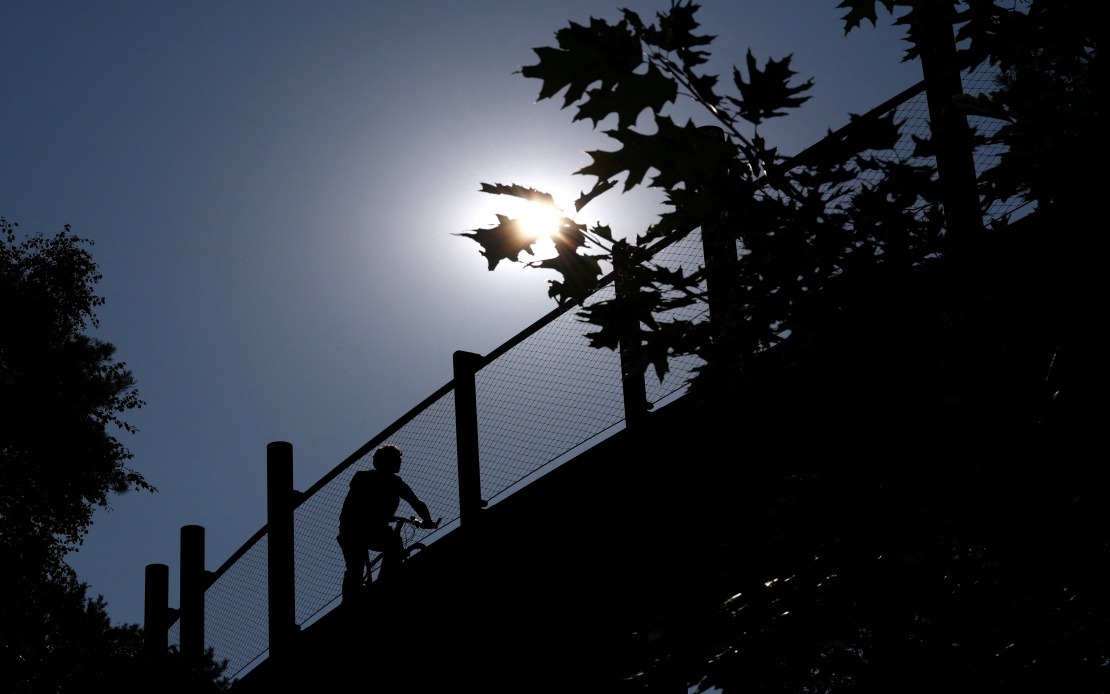
South Korea is confronting a severe public health crisis as heat-related deaths have climbed to 21 this year, according to authorities citing data released Wednesday. The Korea Disease Control and Prevention Agency has documented the mounting toll since the heat-related illness surveillance system commenced operations in mid-May, marking a particularly deadly summer season for the nation.
Emergency rooms across South Korea have been inundated with heat-related cases, recording 2,441 patient visits through early August. This surge reflects the intensity of the prolonged heat exposure affecting populations across the country, from urban centres to rural agricultural areas where workers face elevated risks during outdoor labour. The scale of emergency department presentations underscores how widespread and persistent the thermal stress has become.
While the absolute number of people seeking emergency care for heat-related conditions has actually declined compared to the equivalent period last year, the fatality rate tells a starkly different story. The death toll of 21 has already exceeded the full-year total of 20 recorded in the previous year, suggesting that this summer's heat is proving more lethal despite affecting fewer people overall. This paradox indicates that environmental conditions may be reaching more extreme peak temperatures or that vulnerable populations are experiencing prolonged exposure to dangerous conditions.
The composition of heat-related illnesses reveals important patterns in how thermal stress manifests across the population. Heat exhaustion represents the majority of cases at 61.7 percent, a condition characterised by heavy sweating, weakness, and rapid heartbeat that typically develops gradually with prolonged heat exposure. Heat stroke, the most dangerous and potentially fatal condition, accounts for 16.8 percent of reported cases, whilst heat cramps comprise 11.5 percent. This distribution suggests that many people are managing initial symptoms, but a concerning minority are progressing to the most severe forms of heat illness.
Recent fatalities illustrate the occupational hazards faced by outdoor workers during extreme heat periods. A 60-year-old man collapsed while labouring on a farm in Eumseong County, North Chungcheong Province, on Tuesday, becoming one of the latest recorded deaths. Agricultural and construction workers remain particularly vulnerable populations during heat waves, as their occupational demands often require extended exposure during the hottest hours of the day, limiting opportunities for shelter and hydration.
The greater Seoul metropolitan area faces particularly acute risk as authorities escalated heat warnings to the highest alert level. The state weather agency has placed 43 percent of the Seoul region under maximum-alert status, signalling expectations of dangerous thermal conditions. Meteorological projections indicate that temperatures in the capital will approach 39 degrees Celsius on Thursday, creating conditions that pose significant risks to the general population, especially the elderly, the chronically ill, and those without adequate air conditioning.
For Malaysian readers and policymakers, South Korea's experience offers instructive lessons about heat-related public health risks in monsoon Asia. While Malaysia benefits from consistent heat levels throughout the year compared to Korea's seasonal extremes, climate change and urbanisation are gradually intensifying maximum temperatures across Southeast Asia. South Korea's comprehensive surveillance system and emergency response protocols provide a model for regional health authorities considering enhanced heat preparedness frameworks.
The disparity between case numbers and fatalities also warrants attention from a health systems perspective. Even as fewer total patients present with heat illness, those who do are experiencing more severe outcomes. This pattern may reflect either increased environmental severity at peak hours, a shift in demographics toward more vulnerable populations, or potential delays in accessing emergency care. Understanding these dynamics helps explain why raw case numbers can mask underlying mortality trends.
South Korea's heat crisis underscores how climate phenomena disproportionately impact outdoor workers and low-income populations with limited access to cooling infrastructure. The nation's experience demonstrates that even technologically advanced economies with sophisticated healthcare systems struggle to prevent heat deaths when environmental conditions become extreme. For developing nations in the tropics and subtropics, including Malaysia, this underscores the importance of investing in public cooling centres, workplace heat safety regulations, and community education about recognising heat illness symptoms.
Public health authorities in South Korea have maintained the surveillance system through the critical summer months, enabling real-time tracking of emerging trends and rapid response to hotspots. This surveillance infrastructure permits evidence-based interventions targeting vulnerable populations and geographic areas experiencing disproportionate impacts. Such systematic monitoring capabilities remain aspirational for many developing health systems in Southeast Asia, representing an important infrastructure gap that warrants regional attention and investment.

