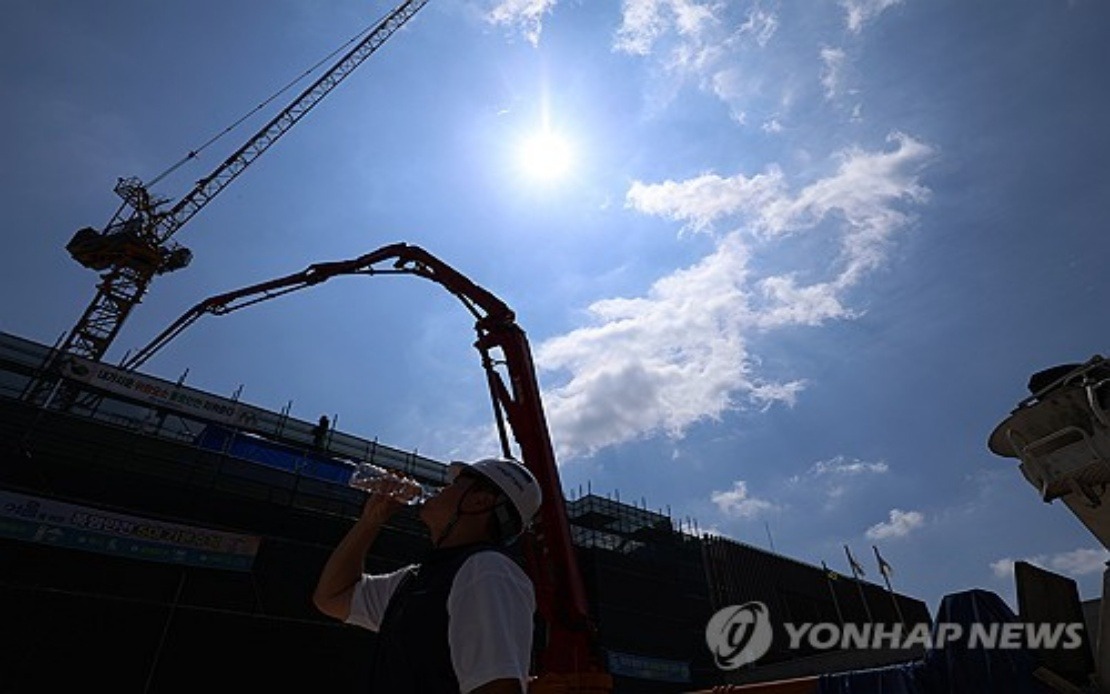
South Korea's meteorological authorities have intensified their response to an unprecedented heat crisis sweeping the nation, issuing critical warnings that now blanket nearly half of the Greater Seoul metropolitan area. The Korea Meteorological Administration activated the top-tier heat wave alert across southern Incheon and nine surrounding cities and districts in Gyeonggi Province on Wednesday morning, bringing the total number of affected areas in the capital region to 20 out of 46 designated weather zones. This expansion underscores the severity of a weather phenomenon that has become increasingly difficult to contain within traditional geographic boundaries.
The geographic reach of these warnings reflects the scale of the current heat emergency. The highest alert level, which took effect at 11 am, now covers Gwangmyeong, Yeoncheon, Hwaseong and other communities in the densely populated Gyeonggi region surrounding Seoul, which is home to tens of millions of South Koreans. Notably, the alert system extended beyond the capital region for the first time this season, with Cheongyang in South Chungcheong Province also receiving a top-tier warning. This expansion into the central Chungcheong provinces signals that extreme heat is no longer confined to traditionally vulnerable areas but spreading across the peninsula with alarming consistency.
The situation in Seoul itself reached a symbolic turning point on Tuesday when the entire city came under the serious heat wave warning for the first time since the alert system was formally introduced on June 1. This milestone reflects both the unprecedented nature of current conditions and the mechanism through which authorities attempt to protect public health. The system is calibrated to activate when apparent temperatures—a measurement that factors in both actual temperature and humidity—reach 38°C or higher, or when daily maximum temperatures exceed 39°C. Alternatively, warnings trigger when areas have recorded apparent temperatures of 35°C or higher for two or more consecutive days, indicating sustained rather than fleeting extreme conditions.
The physical reality of these temperature benchmarks became apparent in Yangsan, a major city in the southeast, where mercury climbed to 42.5°C, establishing a record for South Korea since modern meteorological observations commenced in 1904. This reading is not merely a statistical achievement but a stark indicator of how climate patterns are shifting in an East Asian nation that, until recently, had not experienced such extremes. The significance lies not just in breaking historical records but in what such temperatures mean for human physiology, infrastructure resilience, and public service capacity.
The human cost of this heat emergency has proven substantial and continues to mount. The Korea Disease Control and Prevention Agency documented 2,221 individuals requiring hospitalization for heat-related illnesses during the period from May 15 through the Monday preceding the initial report. More critically, 19 deaths have been attributed to heat-related causes across the same timeframe. These figures represent not merely weather statistics but individual health crises, many affecting vulnerable populations including the elderly, outdoor workers, and those without adequate access to cooling infrastructure.
For Malaysian observers, the South Korean crisis offers several instructive lessons relevant to tropical and subtropical Southeast Asia. While Malaysia's equatorial climate means residents have adapted to year-round heat and humidity, the South Korean experience demonstrates how rapid intensification of extreme temperatures can overwhelm systems designed for previous climate patterns. The alert infrastructure developed by the KMA, including its multi-tiered warning system and clear triggers for intervention, represents one approach to managing escalating risks that other regional nations monitor closely.
The psychological and social dimensions of sustained heat waves extend beyond the statistics. In South Korea, a nation with sophisticated air conditioning infrastructure and advanced healthcare systems, such widespread impact suggests that even well-resourced societies face challenges when weather patterns shift dramatically. The combination of high apparent temperatures and humidity—factors that Malaysia understands intimately—creates conditions where human performance deteriorates, accident rates climb, and demands on electrical systems approach or exceed capacity.
The expansion of warnings throughout the capital region carries implications for one of the world's largest metropolitan concentrations. The Greater Seoul area supports economic activities worth hundreds of billions of dollars annually, and disruptions to transportation, commerce, and services during extreme heat events create ripple effects through global supply chains. Many manufacturers located in the region provide components or final products to Southeast Asian markets, meaning that South Korean heat waves have economic consequences that transcend national boundaries.
The underlying climatic factors driving this crisis remain subjects of scientific investigation, but the pattern aligns with broader global warming trends that have led to more intense heat domes, extended periods of extreme temperatures, and shifting geographic distribution of where such conditions occur. The June 1 launch date of South Korea's formal heat alert system itself reflects recognition that heat waves are no longer anomalies but recurring seasonal features requiring institutional response frameworks.
Looking forward, the continued activation and expansion of top-tier warnings suggests this particular heat wave may persist through the remainder of the season. The KMA's decision to extend alerts into previously unaffected provinces indicates that meteorologists anticipate further deterioration before conditions moderate. For regional observers in Southeast Asia, the unfolding situation in South Korea serves as a reminder of how rapidly weather systems can overwhelm existing preparedness measures, necessitating continuous evaluation and upgrading of infrastructure, healthcare capacity, and public communication systems designed to protect populations during environmental extremes.

