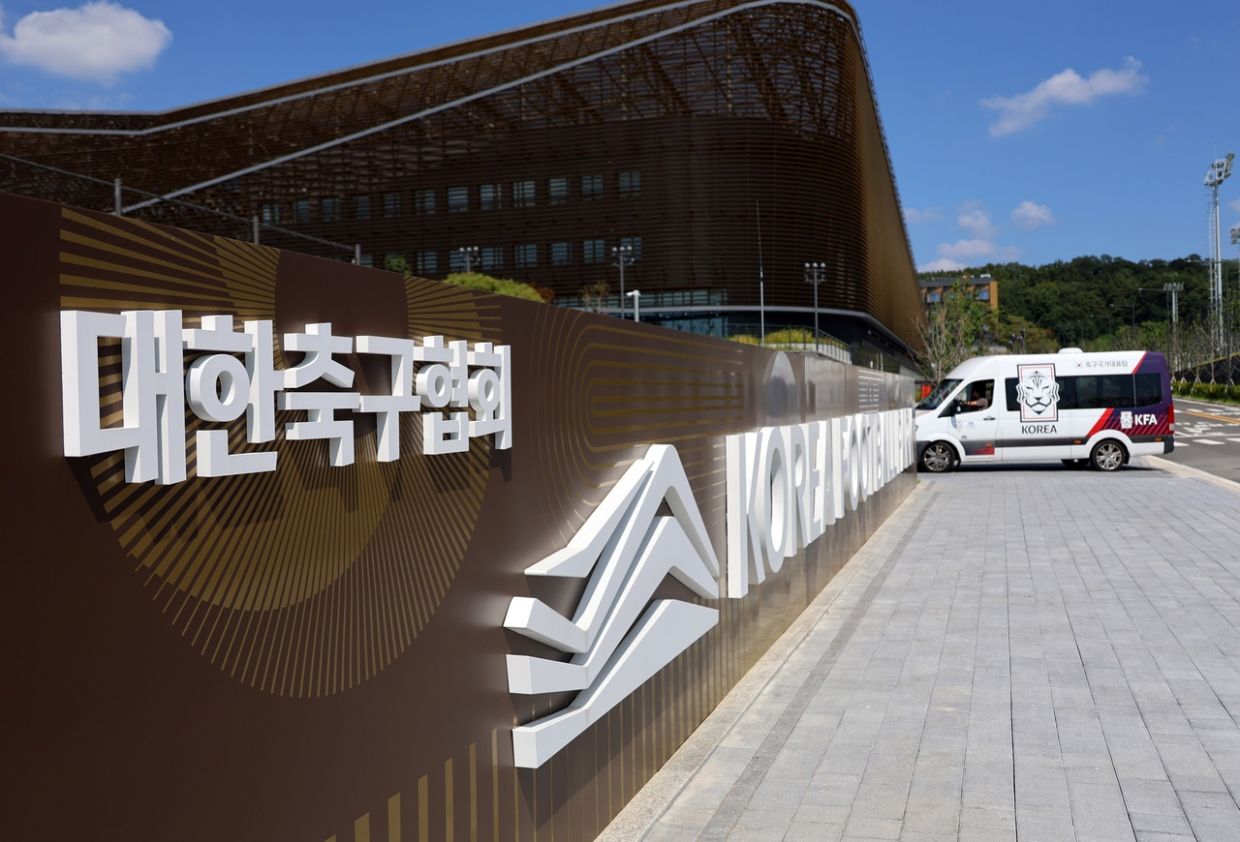
The Korea Football Association's swelling corruption scandal crossed into neighbouring Japan on Sunday when the Japan Football Association confirmed it is examining four Japanese referees believed to have received improper entertainment payments, marking a significant escalation in a controversy that emerged just days earlier with a public apology from the South Korean football body.
The revelations centre on a 2016 Ministry of Culture, Sports and Tourism audit that lay dormant until a JTBC television report on August 6 thrust the matter into public view. That audit uncovered a systematic practice by the KFA that, between March 2011 and March 2012, involved using corporate credit cards on eight separate occasions to pay for entertainment at massage parlours. The beneficiaries were approximately ten foreign referees and match commissioners, individuals who had officiated seven matches played on South Korean soil—three World Cup and Olympic qualifiers alongside four friendly internationals.
The scale of the scandal raises uncomfortable questions about the integrity of competitive sport at the highest levels. South Korea's national team compiled a record of five wins, two draws and no defeats across those seven matches, a result that has naturally sparked speculation about whether the entertainment payments were intended to influence match outcomes. Officials in Seoul have steadfastly denied such allegations, insisting the payments were merely hospitality gestures. However, the timing and structure of the payments, occurring consistently around competitive fixtures, complicate efforts to dismiss the matter as innocent socialising.
Japanese media, specifically Kyodo News, reported that the JFA intends to complete its investigation into the four referees and release findings publicly once the process concludes. Two of those officials have already been identified by Japanese outlets: one currently holds a managerial position within the JFA's structure overseeing officials in Japan's domestic J-League competition, whilst the other led the four-person all-Japanese refereeing crew for South Korea's 2012 World Cup qualifier against Kuwait—a fixture the audit specifically identifies as involving entertainment payments to two referees. Japanese commentators, however, have injected a note of caution into the discourse, suggesting that merely officiating a match does not automatically confirm that an individual referee personally received such payments.
The KFA's Saturday apology came under conditions of intense domestic pressure. The association faced not only the spiralling revelations but also a parliamentary hearing examining its broader governance practices and a police raid on its offices the previous week, this latter action connected to a separate controversy surrounding the 2024 employment of former national team coach Hong Myung-bo. The statement acknowledged the organisation had caused "deep disappointment and concern" and explicitly rejected the conduct in question, pledging comprehensive institutional reforms designed to restore public confidence and transparency in its operations.
The international dimension of the scandal presents complications for football's global governing body. Some observers have speculated about potential FIFA sanctions and the possibility of governance reforms being imposed on the KFA, with the International Business Times UK raising such scenarios on Thursday. However, most football governance specialists consider formal disciplinary action from FIFA to be improbable in practical terms. The world football federation's ethics code typically enforces a statute of limitations ranging from five to ten years for most infractions; the conduct documented in the 2016 audit falls outside this window and would not qualify for the narrower, theoretically unlimited category reserved for cases involving sexual abuse or exploitation.
The retirement of most referees implicated in the scheme further complicates any potential enforcement action. Time and personnel changes have naturally obscured the circumstances and accountability chains that might otherwise enable FIFA to construct a compelling disciplinary case. A related investigation by South Korean criminal authorities had previously been terminated for insufficient evidence, a decision that reflected the inherent evidentiary challenges in reconstructing events from over a decade prior and establishing clear intent or wrongdoing.
For Malaysian and Southeast Asian football observers, the scandal underscores persistent vulnerabilities within regional football governance structures. Institutions across Asia have long struggled with transparency, corruption, and the integrity of competitive processes. The fact that a systematic pattern of improper payments could persist for months across multiple fixtures without immediate detection raises uncomfortable questions about oversight mechanisms and institutional accountability. The delayed revelation—emerging from an audit conducted in 2016 but only becoming public in 2024—demonstrates how governance failures can remain dormant for years before surfacing through media investigation rather than through robust internal or regulatory processes.
The case also illustrates how football's interconnected international structure means that misconduct in one nation's federation inevitably extends beyond its borders, creating diplomatic and professional complications. Japanese officials must now navigate the delicate task of investigating their own nationals implicated in another country's alleged wrongdoing, a process complicated by questions about jurisdiction, the gathering of evidence across borders, and the principle of protecting national interests whilst maintaining international football's credibility.
South Korea's football community faces a reckoning about its institutional culture and decision-making processes. The KFA's commitment to reform will require substantive structural changes beyond rhetorical apologies—enhanced financial oversight, independent auditing mechanisms, clearer protocols for international match management, and professional development emphasising ethical conduct. Without demonstrable institutional transformation, the scandal risks defining South Korean football's international reputation for years to come, particularly across Asia where questions about governance quality already loom large in public consciousness. The Japanese investigation's findings may ultimately prove as significant for regional football governance as for the specific individuals involved.

