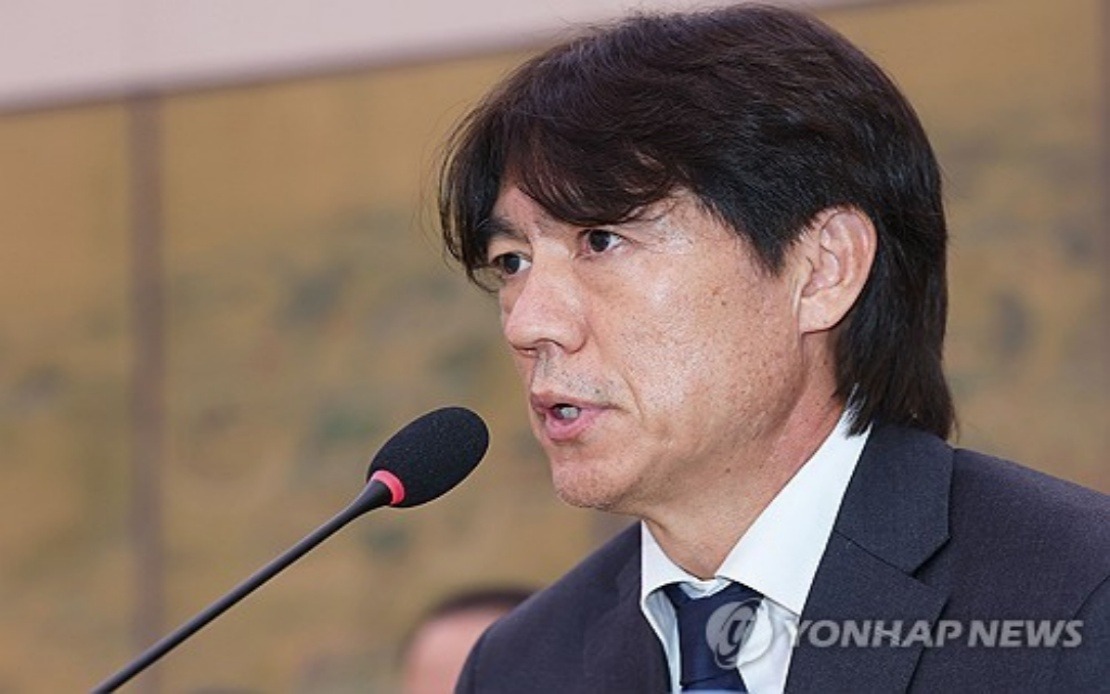
South Korea's law enforcement authorities have conducted coordinated raids on the Korea Football Association following months of investigation into what critics describe as a deeply flawed appointment process for former national men's team head coach Hong Myung-bo. Officers descended on the KFA headquarters in Cheonan, situated roughly 90 kilometres south of Seoul, as well as the federation's main offices in central Seoul, securing documents and evidence related to the controversial July 2024 hiring decision. The operation marks a significant escalation in scrutiny of South Korea's football governance and reflects mounting public pressure for accountability following the national team's disappointing World Cup elimination.
The investigation centres on allegations that senior federation officials circumvented standard appointment procedures to install Hong in the top coaching role. Former KFA chief Chung Mong-kyu and previous technical director Lee Lim-saeng face particular scrutiny for their alleged roles in steering the decision. Investigators are examining whether these officials abused their positions to influence the hiring, potentially violating regulatory frameworks that should govern such consequential personnel decisions. The irregularities appear systematic rather than incidental, suggesting deeper institutional dysfunction within South Korea's football administration.
Accounts of the appointment process paint a picture of informal, behind-the-scenes manoeuvrings far removed from transparent institutional practice. According to critics, Lee Lim-saeng—despite lacking formal authority over coaching selections—allegedly offered Hong the position during a chance encounter at a bakery near Hong's residence. Such an approach starkly contrasts with established recruitment protocols involving competitive vetting, documentation, and formal deliberation. The informality of the arrangement raises questions about whether the KFA deliberately circumvented oversight mechanisms to push through a predetermined outcome.
Hong's tenure as head coach had ended ignominiously in late June following South Korea's group-stage elimination from the FIFA World Cup, a result that triggered broader institutional questions about federation leadership and decision-making. The timing of his appointment in the immediate aftermath of this failure suggests the KFA moved quickly to address coaching vacancy, possibly without adequate deliberation or consideration of alternative candidates. Such haste compounds concerns that the federation prioritised expediency over proper governance procedures.
The investigation itself has faced an unusual timeline, with police initially launching their probe approximately two years prior to the recent raids. This extended delay raises questions about investigative capacity and institutional responsiveness within South Korea's law enforcement system. However, renewed media attention and public concern following the World Cup debacle appear to have reinvigorated official interest in pursuing the case with greater urgency and resources. The shift underscores how sports governance failures can gain traction as political and public matters when they intersect with national embarrassment.
Police questioned Hong himself as a suspect in the investigation on Tuesday, signalling authorities view him as potentially complicit in or knowledgeable about irregularities in his own appointment process. This questioning reflects a broader investigative net that extends beyond federation officials to include the beneficiary of the allegedly improper decision-making. Hong's cooperation or testimony could prove instrumental in establishing whether irregularities were deliberate or inadvertent, and whether multiple parties coordinated to bypass proper channels.
A civic advocacy group had previously filed formal complaints against both Hong and Chung, alleging obstruction of duties, breach of trust, coercion, and intimidation surrounding the appointment circumstances. These charges reflect serious allegations extending beyond mere administrative irregularity to encompass potential criminal conduct. The complainants appear convinced that federation officials not only bent rules but potentially engaged in threatening or coercive behaviour to cement the outcome.
Parliamentary scrutiny has complemented police investigations, with lawmakers questioning both Hong and Chung during formal hearings conducted late last month. These legislative sessions addressed wider KFA management failures alongside the specific appointment controversy, suggesting South Korea's political class views this episode as symptomatic of systemic governance problems within football administration. Parliamentary involvement adds external political pressure to the formal investigation, creating multiple accountability mechanisms and reducing prospects that matters might be quietly resolved through internal federation remedies.
The incident carries implications beyond South Korean football governance. For Malaysia and other Southeast Asian nations, the case illustrates how sports administration can become entangled with allegations of institutional impropriety and political dysfunction. South Korea's transparent public investigation and media coverage contrast sharply with opacity in some regional sports bodies, where similar controversies might be managed through quiet institutional processes. The South Korean approach, though embarrassing for the national federation, demonstrates commitment to public accountability that regional observers might benchmark against their own standards.

