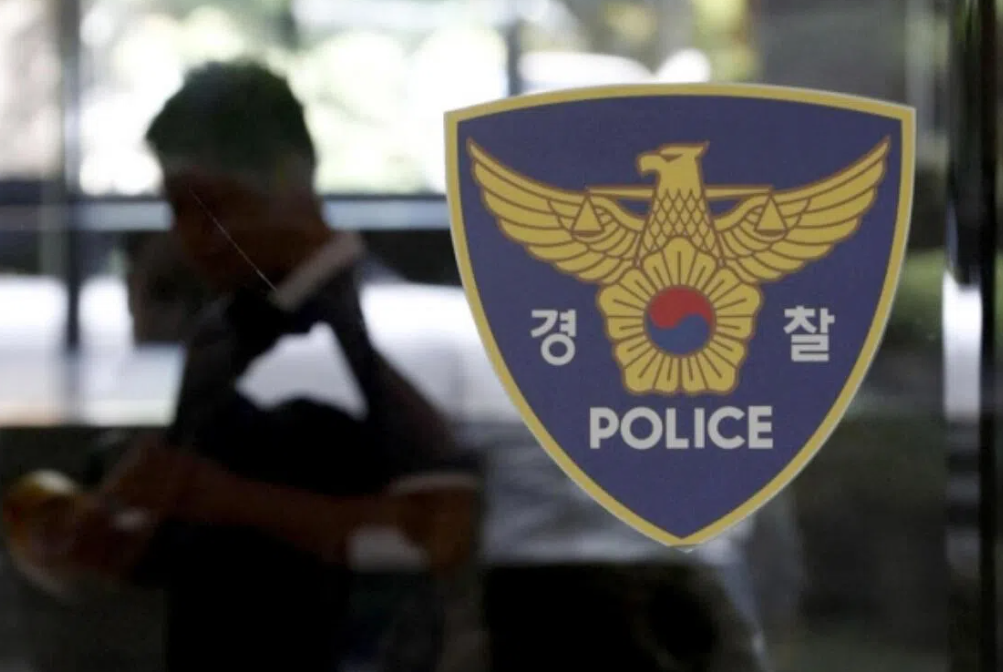
A police officer in Incheon, South Korea has become the subject of a criminal investigation following a tragic accident in which she struck and killed a woman she had been sent to help. The Incheon Michuhol Police Station confirmed on Friday that the officer, who is in her 20s, is accused of causing death as a result of a traffic accident. The incident underscores the serious risks that can emerge even in routine emergency response situations, where darkness and visibility issues can transform a help-seeking call into a fatal outcome.
The officer was responding to an emergency report indicating that a woman in her 60s had collapsed and was lying in the roadway. Upon arrival at the scene in the early morning hours, the situation rapidly deteriorated when the patrol vehicle struck the victim at approximately 12.45am on July 3. According to the officer's account to investigators, she did not observe the woman lying on the road before impact occurred.
Police officials have attributed the tragic miscalculation to environmental factors that would have significantly hampered the officer's ability to detect the prone figure. The location where the accident happened was characterized by poor lighting conditions, and the specific point of impact was situated near a left turn in the road. These geographical and lighting factors are now central to understanding how a response designed to provide emergency assistance instead resulted in loss of life. The combination of darkness, road geometry, and the unexpected position of the victim created a scenario in which even an attentive officer might have faced visibility challenges.
The investigation into the incident is still in its preliminary stages, with authorities taking a methodical approach to establishing the full facts. Officials from the Incheon Michuhol Police Station have indicated that they will conduct a comprehensive analysis of surveillance footage from the area to reconstruct the events leading up to the collision. This video evidence will be crucial in determining whether the officer exercised appropriate caution given the prevailing conditions, and whether there were any procedural lapses that contributed to the accident.
Beyond the visual evidence, investigators are examining broader contextual questions about how officers should approach scenes involving collapsed or immobilized citizens, particularly during hours of darkness. The incident raises important questions about officer training, vehicle lighting systems, and communication protocols when responding to calls involving people in vulnerable positions on roadways. These considerations will likely inform the investigation's trajectory and any recommendations for procedural improvements.
Officials have stated that the investigation will ultimately determine whether to pursue a formal arrest warrant against the officer. The gravity of the outcome—a fatality resulting from police action—means that even accidental deaths require thorough legal scrutiny and accountability measures. However, the investigation's scope appears designed to distinguish between negligence and unavoidable accident, with investigators taking into account the specific circumstances that made detection difficult.
The police sergeant who was occupying the passenger seat during the incident is not expected to face disciplinary action, according to Incheon authorities. This distinction suggests that investigators may be focusing blame or responsibility primarily on the driver, though the full reasoning behind this determination is likely to emerge as the investigation progresses.
For Malaysian observers, this incident highlights challenges that transcend borders in emergency response systems. Police and rescue services across Southeast Asia frequently respond to collapsed citizens, medical emergencies, and traffic hazards, often working under suboptimal conditions. The Incheon case demonstrates how quickly circumstances can shift from a humanitarian response into a tragedy, even when officers are acting in good faith to help vulnerable members of the public.
The incident also raises questions about liability frameworks for law enforcement agencies when accidents occur during emergency operations. Different jurisdictions handle such cases with varying degrees of strictness; some emphasize officer training and systemic improvements, while others focus more heavily on individual accountability. South Korea's approach, as reflected in this investigation, appears to balance both considerations while awaiting the evidence analysis.
This accident will likely prompt a broader conversation within South Korean law enforcement about protocols for nighttime emergency responses, vehicle safety equipment, and communication procedures that might alert officers to hazards on roadways. Similar reviews could benefit police agencies throughout the region as they examine their own procedures for responding to incidents in low-visibility conditions.
The outcome of the Incheon Michuhol Police Station investigation will carry implications beyond the immediate case, potentially influencing how emergency services across the country approach high-risk scenarios. For families and communities who depend on emergency responders, the incident underscores both the dedication of officers responding to calls for help and the very real dangers inherent in their work, even when the intention is purely to provide assistance.

