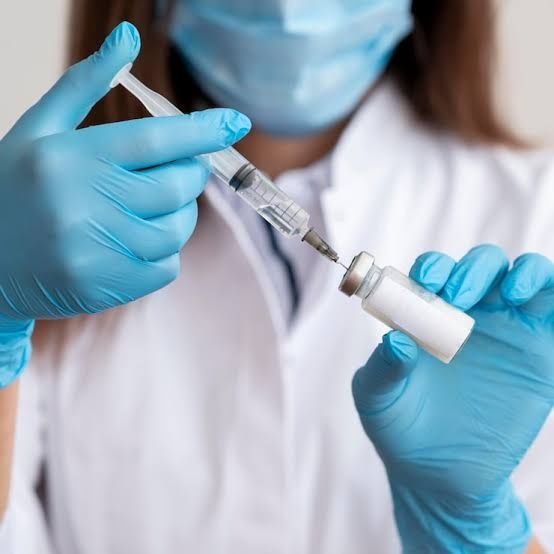
A nurse assistant in her twenties was taken into custody by Seoul Gangnam Police Station on July 7 after being discovered injecting herself with propofol during her initial day working at a dermatology clinic in the Gangnam-gu district. The arrest underscores a troubling pattern of narcotic misuse within South Korea's medical sector, where controlled substances face inadequate safeguarding measures at healthcare facilities.
The suspect allegedly obtained the anaesthetic drug from a discarded syringe found in clinical waste, subsequently administering the substance to herself while on shift. Authorities have charged her with breaching the Narcotics Control Act and are conducting a thorough investigation into her background and potential prior exposure to such drugs. The woman was processed without being held in physical custody, allowing investigators greater flexibility to gather evidence and establish whether this represents an isolated incident or part of a broader pattern of narcotic consumption.
Propofol presents significant health risks when misused outside controlled medical settings. The drug functions as a rapid-onset intravenous sedative designed exclusively for administering anaesthesia under professional supervision. Unauthorised self-administration can precipitate severe physiological complications, including respiratory depression, cardiovascular instability, and potentially fatal outcomes. Medical experts emphasise that even trained healthcare workers lack the safeguards necessary to self-administer such potent pharmaceuticals without triggering dangerous adverse reactions.
The incident reflects systemic vulnerabilities in how South Korean medical institutions manage pharmaceutical waste and narcotic disposal protocols. Finding an intact syringe containing propofol in a waste receptacle indicates significant lapses in disposal procedures at this particular clinic. Standard practice requires that used syringes containing controlled substances be immediately neutralised or rendered unusable before disposal, yet this facility apparently failed to implement such measures. This oversight created an opportunity for unauthorised access to a dangerous drug, raising uncomfortable questions about compliance across the broader healthcare industry.
South Korea has experienced a pronounced escalation in medical narcotic consumption over recent years, prompting healthcare regulators and policy advocates to demand comprehensive reforms addressing how these substances are stored, managed, and eliminated throughout the medical system. The nation's expanding pharmaceutical market and aging population have legitimately increased demand for pain management and anaesthetic agents, but without proportional improvements in security infrastructure. Clinics and hospitals ranging from large tertiary centres to small dermatology practices operate under varying standards of pharmaceutical governance, creating inconsistent levels of protection against theft or misuse.
Statistics released by the Drug Ministry and the Korea Institute of Drug Safety and Risk Management in June 2025 reveal the magnitude of narcotic utilisation within South Korea's healthcare ecosystem. Approximately 20.2 million patients—representing roughly four in every ten South Koreans—received prescriptions for at least one medical narcotic during 2025. This extraordinarily high prevalence suggests either exceptionally broad legitimate therapeutic needs or potential over-prescription of controlled substances, likely encompassing both factors. The sheer volume of narcotics circulating through the medical system magnifies the importance of rigorous controls at every distribution and disposal stage.
The arrest of this nurse assistant carries implications extending beyond this single facility. Medical professionals and support staff occupy positions of trust with privileged access to controlled substances, yet their training frequently emphasises clinical application rather than addiction risks or security protocols. The fact that a newly hired employee could so readily locate and consume a pharmaceutical-grade drug within hours of commencing employment suggests minimal institutional orientation regarding narcotic handling and zero-tolerance policies. Many facilities may rely on implicit understanding rather than explicit training and verification of compliance.
Security measures at dermatology clinics particularly warrant scrutiny, as these establishments typically maintain smaller inventories of controlled substances than hospitals yet may apply less stringent oversight given their outpatient-focused operations. The perception that smaller aesthetic-focused practices require less rigorous pharmaceutical governance has contributed to vulnerabilities that determined individuals can exploit. Enhanced regulatory oversight should encompass facilities across all medical sectors, not merely large institutional providers where compliance expectations traditionally centre.
This case will likely accelerate ongoing policy discussions within South Korea regarding mandatory minimum standards for narcotic storage, handling, and disposal. Potential reforms might include tamper-evident or destruction-sealed waste containers, mandatory staff training and certification in pharmaceutical security, regular audits of narcotic inventories, and penalties for facilities failing to meet standardised protocols. Regional healthcare bodies across Southeast Asia, where similar vulnerabilities exist in medical supply chains, may monitor South Korea's regulatory response and consider adapting successful measures within their own jurisdictions.
The incident also raises questions about workplace induction processes and background screening for positions involving access to controlled substances. Whether this individual had prior substance abuse history or familiarity with propofol remains under investigation. If she previously worked in healthcare settings or had documented substance abuse, the hiring facility's failure to identify warning signs represents an additional vulnerability. Comprehensive pre-employment screening, psychological assessment, and ongoing monitoring protocols could potentially identify individuals at elevated risk of narcotic misuse before they gain access to such materials.

