A South Korean Michelin-starred restaurant proprietor now confronts potential imprisonment following allegations of serving black ants as a garnish on palate-cleansing sorbets, marking an unusual intersection of culinary ambition and food safety compliance in one of Asia's most stringent regulatory environments. Seoul prosecutors sought a one-year custodial sentence during a Monday court proceeding, with the case drawing attention to the tension between experimental gastronomy and rigid food safety frameworks that govern high-end dining establishments across the region.
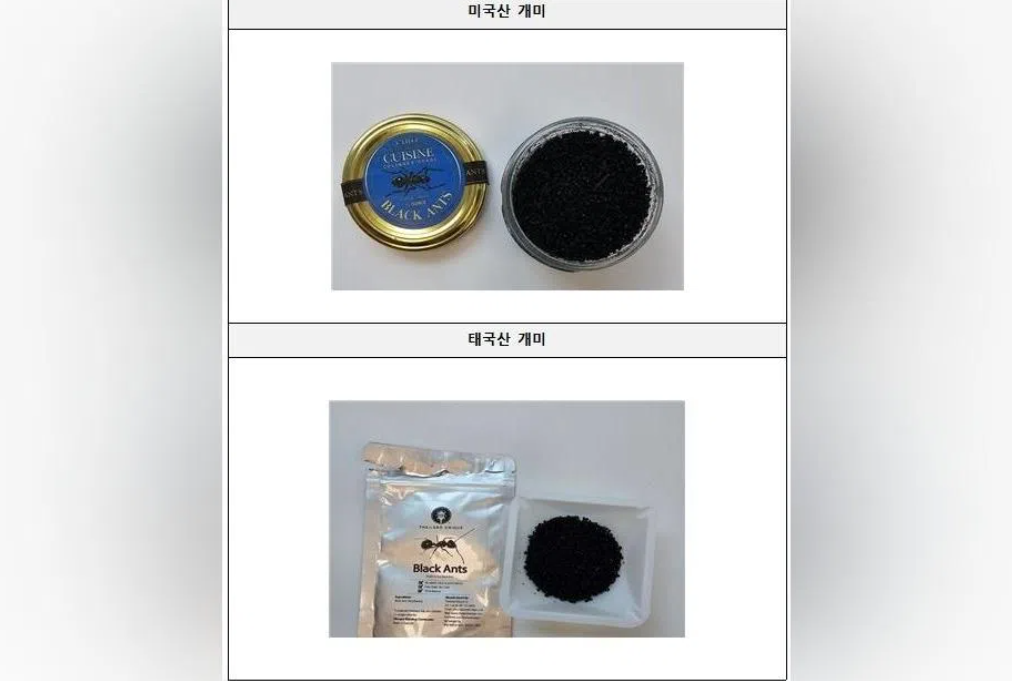
The unnamed two-star restaurant stands accused of systematically incorporating insects that fall outside South Korea's tightly regulated list of approved edible species. The regulatory framework in the country permits consumption of only ten designated insect varieties, a roster that includes grasshoppers and brown mealworm larvae but explicitly excludes the black ants in question. Prosecutors allege the establishment sourced these prohibited insects from international suppliers in Thailand and the United States, deliberately circumventing domestic food safety protocols.
According to statements from South Korea's food safety ministry, the chef employed the ants specifically to impart a sour flavour component to the dessert course, adding between three and five specimens to each sorbet serving. This culinary technique, while perhaps motivated by gastronomic innovation, violated fundamental food import and safety regulations that the country maintains through rigorous oversight mechanisms. The practice continued across nearly four years, spanning multiple seasons of service until January 2025, suggesting either deliberate defiance of existing rules or profound misunderstanding of regulatory requirements.
The economic scale of the transgression became apparent through official documentation revealing approximately 12,000 individual transactions generating 120 million won—equivalent to roughly US$81,000—in revenue derived directly from ant-garnished desserts. This substantial turnover indicates that the practice formed a material component of the establishment's operations rather than constituting an isolated culinary experiment. Ministry officials released photographic evidence including images of commercial cans labelled "Cuisine Black Ants" in distinctive round containers, confirming the deliberate procurement and use of imported insect products.
Beyond the prison sentence sought by prosecutors, the Seoul Western District Court received recommendations for an additional 20 million won financial penalty, according to local reporting. The combined sanctions would represent a significant consequence extending beyond mere incarceration to encompass substantial monetary liability. Such dual-track prosecution reflects the seriousness with which South Korean authorities view food safety violations, particularly within establishments carrying prestigious international certification.
The defendant's legal representatives advanced a mitigation argument during proceedings, contending that customers received advance notification and explicitly consented to consumption of the ant-topped confections prior to service. This defence strategy suggests an attempt to reframe the violation as a matter of informed consumer choice rather than deceptive or unsafe practice. However, regulatory frameworks typically establish minimum safety standards that supersede individual consent mechanisms, particularly regarding unapproved substances entering the food supply chain.
The proprietor offered a public apology during closing arguments, characterizing the incident as stemming from inadequate comprehension of applicable regulations rather than intentional wrongdoing. This framing positions the case within broader discussions about the complexity of food safety compliance for culinary innovators operating at intersection points between traditional regulation and contemporary experimental cooking methodologies. Whether such claims of regulatory misunderstanding will resonate with adjudicators remains uncertain as the court prepares its decision.
For Malaysian and Southeast Asian readers, this case illuminates the divergent approaches to food safety governance across the region. While South Korea maintains a restrictive stance toward insect consumption through its approved-species model, other jurisdictions employ different regulatory frameworks. The prosecution illustrates how even celebrated dining establishments operate within circumscribed legal boundaries where culinary creativity cannot override statutory requirements. The economic and reputational consequences for high-end restaurants facing such violations extend beyond direct penalties to encompass potential loss of prestigious certifications and consumer confidence.
The Michelin Guide's relationship to this legal proceeding remains noteworthy, as the restaurant retained its two-star designation despite these regulatory violations. This separation between culinary prestige and food safety compliance raises questions about oversight coordination between international gastronomic authorities and national regulatory bodies. As fine dining expands across Southeast Asia, regulatory clarity becomes increasingly important for establishments seeking to navigate both international acclaim and domestic legal compliance simultaneously.
The Seoul Western District Court is scheduled to issue its ruling in early September, with particular scrutiny likely focusing on whether judicial authorities prioritize the prosecution's imprisonment recommendation or consider alternative consequences reflecting the defendant's apology and customer-consent defence. The outcome will establish important precedent regarding enforcement intensity against regulatory violations within premium hospitality sectors throughout South Korea. Beyond the immediate legal ramifications, this case signals renewed attention to supply chain transparency and regulatory enforcement in high-end food service, suggesting that international culinary reputation alone provides insufficient protection against violations of national food safety statutes in one of Asia's most developed regulatory environments.

