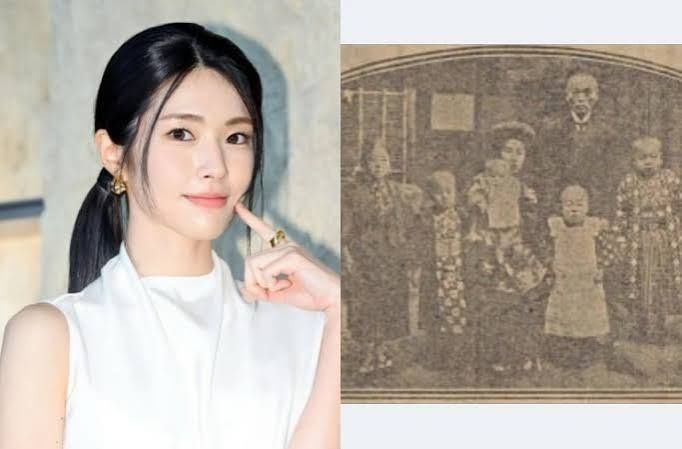
A significant surge in public interest in South Korean genealogical research has overwhelmed several genealogy websites following actress Ahn Ha-young's emergence at the centre of a family history controversy. The controversy centres on allegations that her ancestor collaborated with Japanese interests during the colonial occupation of Korea, a particularly sensitive topic in South Korean society given the nation's experience under imperial Japanese rule from 1910 to 1945.
One major genealogy website, whose name translates to "in search of roots," became the focal point of this renewed interest in ancestral records and family lineages. The platform experienced severe technical difficulties as unprecedented numbers of users attempted to access its database simultaneously. Over several hours on the evening of August 12, the site's servers became overloaded, and intermittent crashes continued throughout August 13 as traffic remained elevated. The scale of the surge underscores how deeply genealogical curiosity can grip the South Korean public, particularly when major public figures become embroiled in historical controversies.
The genealogy website maintains comprehensive records of 287 distinct family lineages prevalent across South Korea, cataloguing their historical origins, migration patterns, and current population distributions. This extensive database makes it an invaluable resource for South Koreans seeking to understand their family heritage and connections to documented historical developments. The platform had previously served as a relatively specialized tool for genealogical enthusiasts and academic researchers, but the recent controversy transformed it into a mainstream reference point for the general public.
The controversy gained particular momentum when online users began investigating the background of Ahn Ha-young's great-grandfather. The actress had appeared on television and spoken admiringly about her ancestor, identifying him as a pioneering physician who established Seoul's first Western-style medical clinic and provided treatment to Emperor Gojong, who reigned from 1852 to 1919. This account seemed to position her family as part of Korea's modernization narrative during the late Joseon period. However, such historical narratives became complicated when digital searches and public discussion revealed contradictory information about the ancestor's relationships during the colonial period.
The critical turning point came when internet users raised allegations that Ahn Sang-ho, the actress's ancestor in question, maintained connections to individuals and groups that collaborated with Japanese colonial authorities. These accusations triggered an immediate public debate about the nature of her family's historical conduct. Rather than immediately acknowledging the concerns, Ahn Ha-young's agency initially responded by denying the allegations outright, a defensive posture that typically intensifies rather than resolves such controversies in the South Korean media environment. The denial appeared to validate the concerns of those making the accusations, prompting further public investigation and critical scrutiny of historical records.
The escalating controversy compelled Ahn Ha-young to confront the historical questions surrounding her family directly. On August 12, the actress issued a public apology, acknowledging that she had been unaware of the full complexities of her family's historical conduct during the colonial era. She expressed regret over having previously spoken with pride about her ancestor's achievements without understanding the complete historical context. The apology represented a significant pivot from her agency's earlier denial, effectively conceding that the ancestral connections to pro-Japanese activities, whatever their precise nature, constituted a legitimate historical concern deserving of acknowledgment.
The timing of this controversy carries particular symbolic weight within South Korean society and politics. The episode unfolded just days before August 15, which South Korea observes annually as Liberation Day, a national holiday celebrating the country's liberation from Japanese colonial rule in 1945. This historical calendar creates a context in which questions about colonial-era collaboration assume heightened public significance. Many South Koreans view the colonial period as a foundational trauma in national history, and allegations involving collaborative activities during that era often generate intense emotional and political responses. The proximity of the controversy to Liberation Day amplified its resonance and may have contributed to the extraordinary surge in genealogical research.
The phenomenon of sudden website traffic surges during historical or political controversies reflects broader patterns in how digital-age South Korean society engages with historical narratives. The genealogy website's crash demonstrated that public interest in family history, while typically quiet and specialized, can rapidly mobilize when connected to contemporary celebrity figures and historical sensitivities. For many users, the controversy provided a trigger to investigate their own family backgrounds, raising questions about whether relatives might harbour similar historical complications. This collective introspection about family histories during the colonial period suggests that such historical reckoning remains an ongoing process in South Korean society.
The genealogy website's technical difficulties also highlight the infrastructure challenges faced by specialized databases when they suddenly attract mainstream attention. The platform's designers had built capacity for typical usage patterns among genealogical researchers, but had not anticipated the exponential traffic surge that a major celebrity controversy could generate. The crashes and slowdowns experienced during August 12 and 13 reveal how even well-maintained digital resources can struggle to accommodate sudden shifts in public demand. For the genealogy website's operators, the incident underscores both the value of their resource to South Korean society and the technical investments required to serve the entire nation's potential interest in ancestral research.
Ahn Ha-young's public apology appears to have been calculated to allow the immediate controversy to subside while acknowledging the legitimacy of historical scrutiny. However, the episode illustrates how colonial-era historical questions continue to surface in contemporary South Korean public discourse, often through unexpected channels. Genealogical research, ostensibly a matter of personal family interest, intersects unavoidably with national historical narratives and political sensitivities. The surge in genealogy website traffic suggests that many South Koreans use such platforms not merely for curiosity about distant ancestors but as a means of understanding their own relationship to the nation's fraught colonial past.

