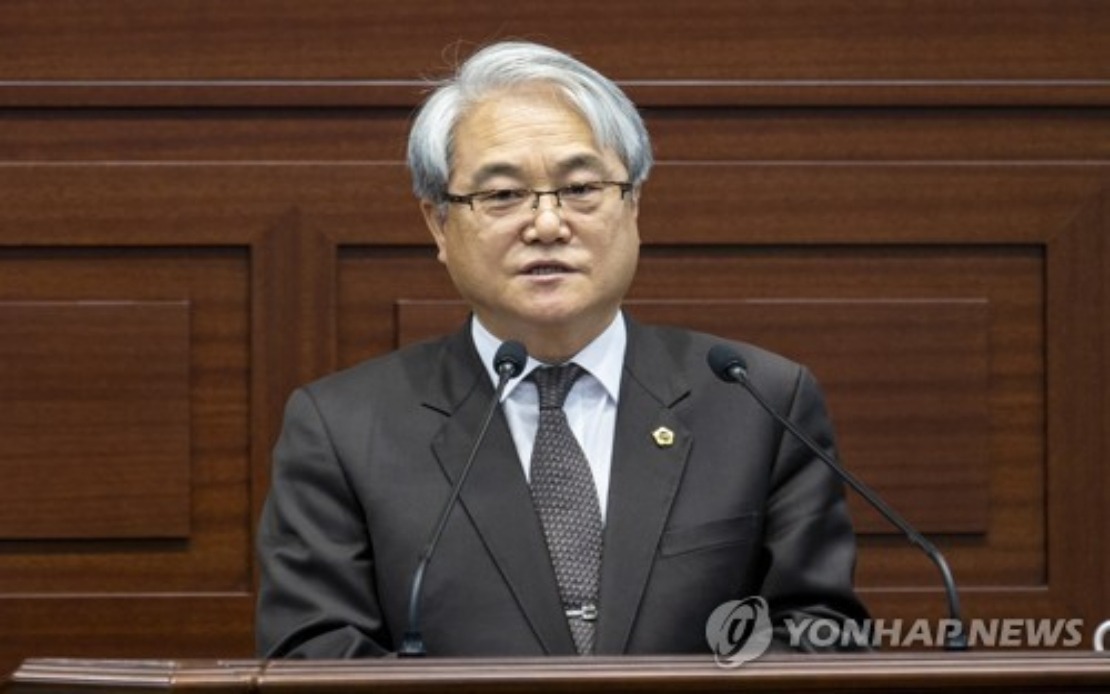
The death of Kim Ha-soo, former chief of Cheongdo county in southeastern South Korea, has cast a shadow over the nation's administrative governance structures at a critical moment when public trust in local officials remains fragile. Rescue workers discovered the body on a mountainside early Monday morning, July 13, accompanied by what authorities described as a note apparently penned by Kim himself, though officials have withheld specific details about its contents and circumstances.
Kim's tenure as county chief spanned from 2022 until earlier this year, a period marked by mounting allegations that have only deepened following his death. Investigators had focused particular attention on his suspected receipt of illegal funds from a government employee in return for facilitating a promotion—a quintessential example of the quid pro quo arrangements that continue to plague South Korea's bureaucracy despite repeated reform efforts. The complexity of the investigation expanded when authorities discovered that the man allegedly involved in delivering the bribe had himself been found dead previously, raising uncomfortable questions about the circumstances surrounding both deaths.
Beyond the financial improprieties, Kim faced additional serious charges stemming from an incident in January involving what prosecutors characterised as an illegal intrusion into the home of a nursing home director. This separate referral to the prosecution suggested a pattern of conduct extending well beyond administrative corruption into direct criminal behaviour. The multiplicity of allegations against a single official underscores the systemic vulnerabilities within South Korea's local governance apparatus, where oversight mechanisms frequently fail to prevent or adequately deter misconduct until situations spiral beyond control.
The discovery carries particular resonance across Southeast Asia, where similar patterns of administrative corruption have compromised public institutions and undermined citizen confidence. Malaysia and neighbouring countries have grappled with comparable challenges involving local officials, making the South Korean case instructive as a cautionary tale about the dangers of inadequate supervision and the psychological pressures facing implicated officials. The presence of a note at the death scene suggests Kim may have been in acute distress regarding his legal predicament, though authorities have refrained from clarifying whether it constituted a confession, explanation, or final statement.
South Korea's approach to investigating official corruption has intensified considerably over recent years, particularly following high-profile cases that revealed the extent of misconduct within the civil service. However, this very scrutiny creates a paradoxical situation where officials facing investigation may experience psychological desperation that can lead to tragic outcomes. The earlier death of the alleged bribe intermediary compounds this concern, suggesting that the investigation may have inadvertently triggered a chain of events with devastating human consequences.
For Malaysian observers, the Cheongdo case illuminates ongoing challenges within our own administrative ecosystem. Local governments in Malaysia similarly struggle with corruption allegations, irregular promotion practices, and the opacity that often surrounds investigations into official misconduct. While our institutional frameworks differ from South Korea's, the underlying vulnerabilities—insufficient transparency, limited accountability mechanisms, and the personal pressures on officials facing exposure—remain disturbingly familiar.
The death also reflects broader tensions within South Korean society regarding moral culpability, legal accountability, and the intersection of professional consequences with personal tragedy. The apparent suicide of a senior official under investigation represents not merely an individual loss but a systemic failure in providing appropriate support and transparent justice processes that might have prevented such desperation. Authorities must now navigate the additional complexities of determining the precise circumstances of death while maintaining ongoing investigations into the underlying allegations.
Investigators will face the delicate task of completing their inquiry while respecting the dignity of the deceased and his family, yet also maintaining public confidence that corruption within local administration will be thoroughly examined and appropriately punished. The continued investigation into the promotion scheme and the nursing home incident cannot be abandoned simply because the primary subject is now deceased; the broader implications for governance integrity demand full elucidation of what transpired.
The incident serves as a sobering reminder that institutional reform requires more than simply heightened enforcement. South Korea's experience suggests that adequate support systems, clearer pathways for officials to address allegations, and more transparent processes might help prevent such tragic outcomes while simultaneously strengthening the integrity of governance. For Malaysia and the region, the Cheongdo case warrants careful consideration as policymakers contemplate how to balance rigorous anti-corruption efforts with humane treatment of officials and appropriate psychological support throughout investigative processes.

